
7 Hidden Gems Near Las Vegas (That Most Tourists Miss): 2026 Guide
So, you want to explore the lesser-known gems in Las Vegas? The city is definitely known for its exotic nightlife. But it also has another side. There are several spots that showcase a different face of Vegas.
These places are quiet and scenic. On a conventional trip, you may miss them. But this blog is here to make you aware of them, so you can experience a gentler and serene version of the city.
Practical Visit Info for Each Hidden Gem
Here’s a quick, clear snapshot for each spot.
| Location | Distance from Las Vegas Strip | Entry Cost | Best Time to Visit | Difficulty / Effort |
| Black Canyon & Emerald Cave | ~45–60 minutes | Permit only required for full day tours. It is not required for Emerald Cave tours. | Summer time is the best time to see Emerald Cave. However, guided tours by Evolutions Expeditions take place year round. | Easy (Emerald Cave tours)
Moderate to difficult (Kayak Hoover Dam and Hot Springs Hike tour) |
| Valley of Fire State Park | ~1 hour | $15 per vehicle (NV plates) | Fall to spring | Easy to moderate (walking/hiking) |
| Red Rock Canyon | ~30 minutes | $15 per vehicle | Early morning or sunset | Easy to hard (varies by trail) |
| Seven Magic Mountains | ~25 minutes | Free | Sunrise or sunset | Very easy (short walk) |
| Mount Charleston | ~45–60 minutes | Free (some areas may have small fees) | Summer for cool weather, winter for snow | Easy to moderate |
| Boulder City | ~30 minutes | Free | Year-round | Very easy (walking) |
| Lake Mead | ~30–45 minutes | $25 per vehicle (7-day pass) | Fall to spring | Easy |
Best Time to Visit Las Vegas for Hidden Gems
Timing can change your whole trip. The same place can feel calm in one season and harsh in another.
Las Vegas sits in the desert. That means heat is real. Summers often cross 100°F. Midday sun feels intense. Outdoor plans can get tough in the heat.
Spring and fall feel very different. Days are warm but not extreme. Mornings and evenings feel comfortable. This is when most outdoor spots shine. Trails feel easier and water trips feel better.
Winter stays mild in the city. Daytime temps often sit between 50–65°F. That makes hiking and kayaking more pleasant. Snow shows up in higher areas like Mount Charleston. That adds a nice contrast to the desert below.
Here’s a simple way to plan:
- Spring (March to May)
Warm days, cool mornings. Great for hiking and kayaking. - Summer (June to August)
Very hot. Best for early morning outings only. Indoor plans work better mid-day. - Fall (September to November)
Cooler again. Ideal for day trips and outdoor spots. - Winter (December to February)
Mild in the city. Cooler near water and canyons. Snow possible in the mountains.
1. Black Canyon and Emerald Cave
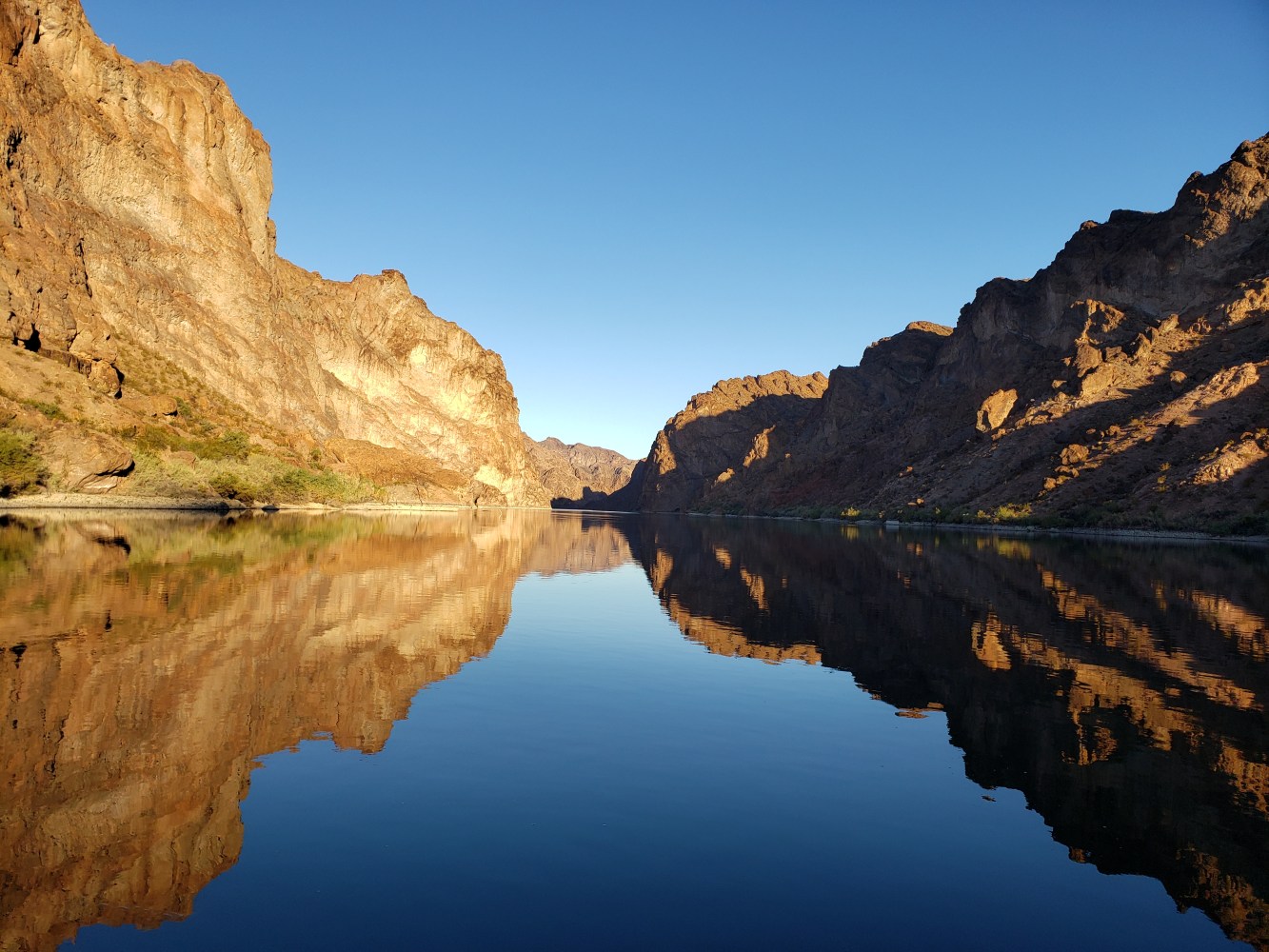
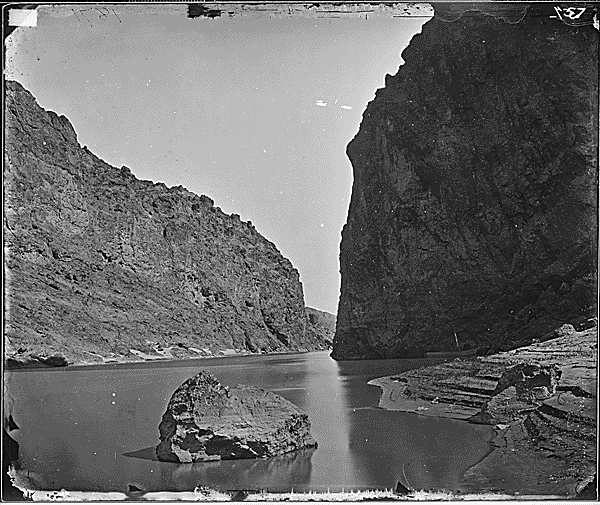
Just below Hoover Dam, the Colorado River slows down. The canyon walls rise on both sides. The air feels still. Vegas noise fades fast.
Now picture your first step into the water. It looks calm. Almost flat. But it feels cold. The river stays around 53 to 55°F all year. That chill comes from deep water released below the dam. Step in once. You feel it.
As you paddle forward, the canyon opens up. Then you spot it. A small cave sits along the rock wall. This is Emerald Cave. Light hits the water at the right angle. The color turns bright green. No filter. Just sunlight bouncing off the riverbed.
Timing shapes that moment. Late morning to early afternoon works best. Go too early, and the glow looks soft. Go too late, and shadows take over. That window matters.
Planning this solo can feel tricky. Launch points, timing, and permits all add up. That’s why many people book a guided trip with Evolution Expeditions.
Most trips start near Willow Beach Marina. The drive from Las Vegas takes about 60 minutes. Parking is there, but it fills up fast on weekends. Plan ahead.
The setup is simple. Gear is ready when you arrive. Kayak, paddle, and life jacket are included. Permits are handled. You don’t guess the route or timing. That part is covered.
Here’s what a typical trip looks like:
- Duration: about 3 to 4 hours
- Cost: about $100 to $230, depending on experience
- Group size: small groups, often under 12
- Skill level: beginner-friendly
The route feels calm. But it is not empty. Look up at the cliffs. Desert bighorn sheep stand high above. They blend into the rock. Easy to miss. Hawks glide overhead. Fish move below in clear water.
You don’t rush here. You paddle, pause, and look around.
A few simple things help a lot:
- Bring water and light snacks
- Wear shoes that can get wet
- Use sunscreen, even in cooler months
- Pack a dry bag for phone and keys
2. Valley of Fire State Park
The park sits about 55 miles from the Las Vegas Strip. The drive takes close to one hour. You head northeast on I-15, then follow signs to the park entrance. Roads are clear and easy to follow. Miss one turn, and GPS still fixes it fast.
The park opens early and closes at sunset. Entry costs $10 per vehicle for Nevada plates. Out-of-state plates pay $15. Bring cash or a card. Fees can change, so it helps to check ahead.
Now step inside. The rocks hit you first. Bright red. Sharp lines. Layers that look like frozen waves. These formations formed over 150 million years ago from sand dunes. Wind and pressure shaped them into what you see today. It feels unreal.
Light changes everything here. Early morning feels soft and quiet. Late afternoon turns the rocks deep red. Midday gets harsh and hot. Summer heat can cross 100°F fast. Plan around that.
Popular trails and what to expect:
- Fire Wave Trail
Distance: about 1.5 miles round trip
Difficulty: easy to moderate
What you see: smooth, striped rock that looks like ocean waves - White Domes Trail
Distance: about 1.1 miles loop
Difficulty: moderate
What you see: slot canyon sections, open desert, and old film set areas - Mouse’s Tank Trail
Distance: about 0.75 miles round trip
Difficulty: easy
What you see: petroglyphs carved into rock walls, plus a natural water basin
Those petroglyphs matter. They were made by Native American groups thousands of years ago. Look closely at the rock faces along the trail. You will spot shapes, animals, and symbols. No signs shout at you. You have to slow down.
Parking fills fast on weekends. Especially near Fire Wave. Arrive early if possible. Water is key. There are no large stores inside the park. Cell service drops in some spots too.
3. Red Rock Canyon (Beyond the Main Stops)
Most people stick to the main loop at Red Rock Canyon National Conservation Area. That’s the easy route. But step just a little off it, and things feel different fast.
The park sits about 20 miles west of the Strip. The drive takes 25 to 30 minutes. Once you arrive, the red cliffs rise high. The air feels cooler. The noise drops off.
Entry costs $15 per vehicle. From October through May, a timed reservation is required for the scenic drive between 8 a.m. and 5 p.m. Skip that step, and you might get turned away.
The scenic drive itself is a 13-mile one-way loop. It has multiple pull-offs. You can stop, walk and take photos.
But the quieter spots sit just beyond the obvious stops.
Trails that stay less crowded:
- Lost Creek Trail
Distance: about 0.7 miles round trip
Difficulty: Easy
What to expect: A short walk with a seasonal waterfall and shaded areas - Pine Creek Canyon
Distance: about 3 miles round trip
Difficulty: Moderate
What to expect: Cooler air, creek views, and fewer people - Keystone Thrust
Distance: about 0.5 miles round trip
Difficulty: Easy
What to expect: A clear view of a major fault line where rock layers meet
4. Seven Magic Mountains (at the Right Time)
Seven Magic Mountains sits about 10 miles south of Las Vegas. The drive takes around 20 to 25 minutes on I-15. You exit at Sloan Road and follow the signs. It’s easy to reach. No long detours.
This installation was created by Swiss artist Ugo Rondinone. It features seven towers made of stacked boulders. Each tower stands over 30 feet tall. The rocks are painted in bright neon colors. Pink, yellow, blue. They stand out hard against the desert.
The idea is simple. A mix of natural desert and human-made art. Order and chaos in one frame. It feels playful. A bit surreal. The place feels slightly out of place on purpose.
Entry and parking are free. There is a small dirt lot near the site. It fills up fast during peak hours. Weekends get busy. Midday gets crowded. People line up for photos. It can feel rushed.
In the early morning changes, the light feels soft. Shadows stay long. Fewer people stand in your frame. The sky adds contrast.
Want the best photo angle? Walk a bit away from the main path. Shoot slightly low, looking up at the towers. That makes them feel taller. For wide shots, step back and include the open desert behind.
GPS coordinates are 35.8390° N, 115.2706° W. Plug that in, and you won’t miss it. It’s not a long stop. Most visits take 20 to 30 minutes. But timing decides how it feels.
Go at the wrong time, and it feels crowded. Go at the right time, and it feels calm.
5. Spring Mountains and Mount Charleston
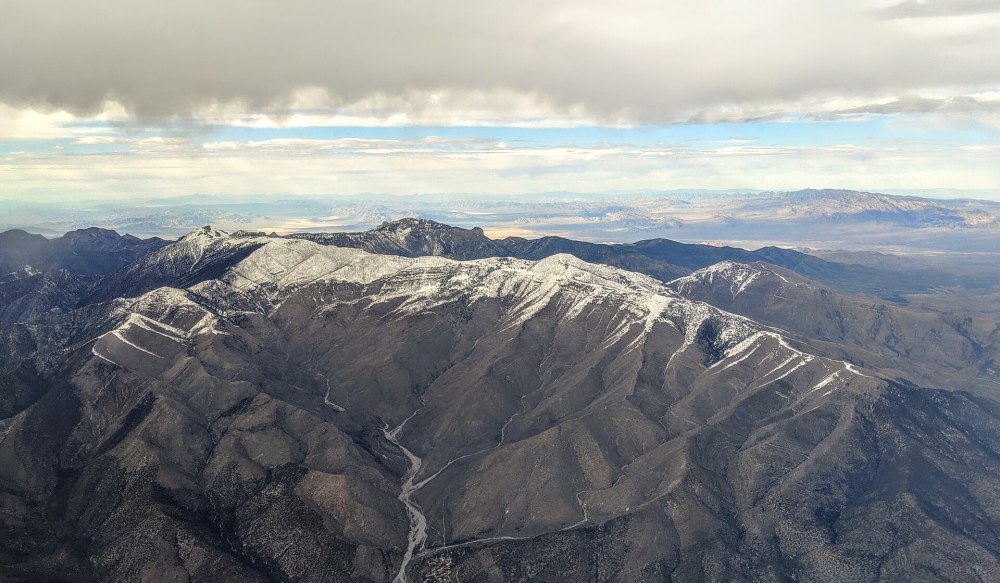
Need a break from the heat? Head up to Mount Charleston. It sits about 35 miles from the Strip. The drive takes around 45 minutes. The road climbs fast, and the air changes with it.
Temperatures drop as you gain elevation. It can feel 15 to 25°F cooler than Las Vegas. On a hot summer day, that shift feels huge. Step out of the car, and you notice it right away.
The landscape flips too. The desert fades. Pine trees take over. The air smells fresh. It feels like a different state, not just a short drive away.
Once there, you don’t need a full plan. Just pick a trail or a scenic stop.
Popular trails and what to expect:
- Cathedral Rock Trail
Distance: about 2.7 miles round trip
Difficulty: Moderate
What you get: forest paths, a steady climb, and wide views at the top - Mary Jane Falls Trail
Distance: about 3 miles round trip
Difficulty: Moderate
What you get: a seasonal waterfall and shaded canyon sections - Fletcher Canyon Trail
Distance: about 4 miles round trip
Difficulty: Moderate
What you get: cooler air, narrow canyon walls, and fewer crowds
6. Boulder City Art Walk and Historic Streets
Some hidden gems are quiet towns. Boulder City is one of them.
It sits just outside Vegas. The city feels slower and more relaxed. No casinos here. That changes the vibe.
Walk the streets. You’ll find small galleries, murals, and local cafés. The Art Walk adds a creative touch.
It’s not flashy and that’s the point.
Spend an hour or two here. Grab a coffee. Talk to locals. It feels real.
7. Lake Mead Overlooks and Quiet Shorelines
Lake Mead is huge. Most people only see a small part of it.
Drive a bit further. Skip the busy spots. You’ll find quiet shorelines and wide-open views.
The water sits still. The desert stretches far. Look above and the sky feels bigger than usual.
Now imagine this. Late afternoon. Light softens. The wind slows. It feels calm in a way Vegas never does.
That contrast stays with you.
Vegas is known for lights and late nights. But step away for a few hours, and a different story shows up. Quiet water. Red rocks. Open skies.
So the real question is simple.
Are you staying on the Strip, or stepping out to see what most people miss?
Is Black Canyon kayaking beginner friendly?
Yes, it is beginner friendly. The water in Black Canyon is usually calm and slow. There are no big rapids to worry about. Most tours start with basic safety tips and paddling guidance. Guides stay close and help when needed. You can go at your own pace. Even first-time paddlers feel comfortable here. That makes it a great place to start.
How far is Valley of Fire from the Las Vegas Strip?
Valley of Fire State Park is about 55 miles from the Las Vegas Strip. The drive takes around one hour, depending on traffic. Roads are smooth and easy to follow. Most people take Interstate 15 and then exit toward the park. It works well as a half-day or full-day trip. You can start early and avoid the heat.
What is the best time to visit Red Rock Canyon?
The best time to visit Red Rock Canyon is early morning or late afternoon. The light feels softer and the air is cooler. Midday can get very hot, especially in summer. Spring and fall offer the most comfortable weather. If visiting between October and May, you may need a timed entry reservation during peak hours.
Do you need a reservation for Seven Magic Mountains?
No, you do not need a reservation to visit Seven Magic Mountains. Entry is free and open to the public. There is a small parking area near the site. It can fill up quickly during busy hours. Early morning or sunset is a better time to visit. You get fewer crowds and softer light for photos.
Can you see snow near Las Vegas?
Yes, you can see snow near Las Vegas during winter months. Mount Charleston and the Spring Mountains often get snowfall from December to February. The area is about 45 minutes from the Strip. It feels much cooler than the city. You can walk in snow or even try skiing at Lee Canyon during the season.