How Long Does Kayak Take? – Average Kayak Speed Guide
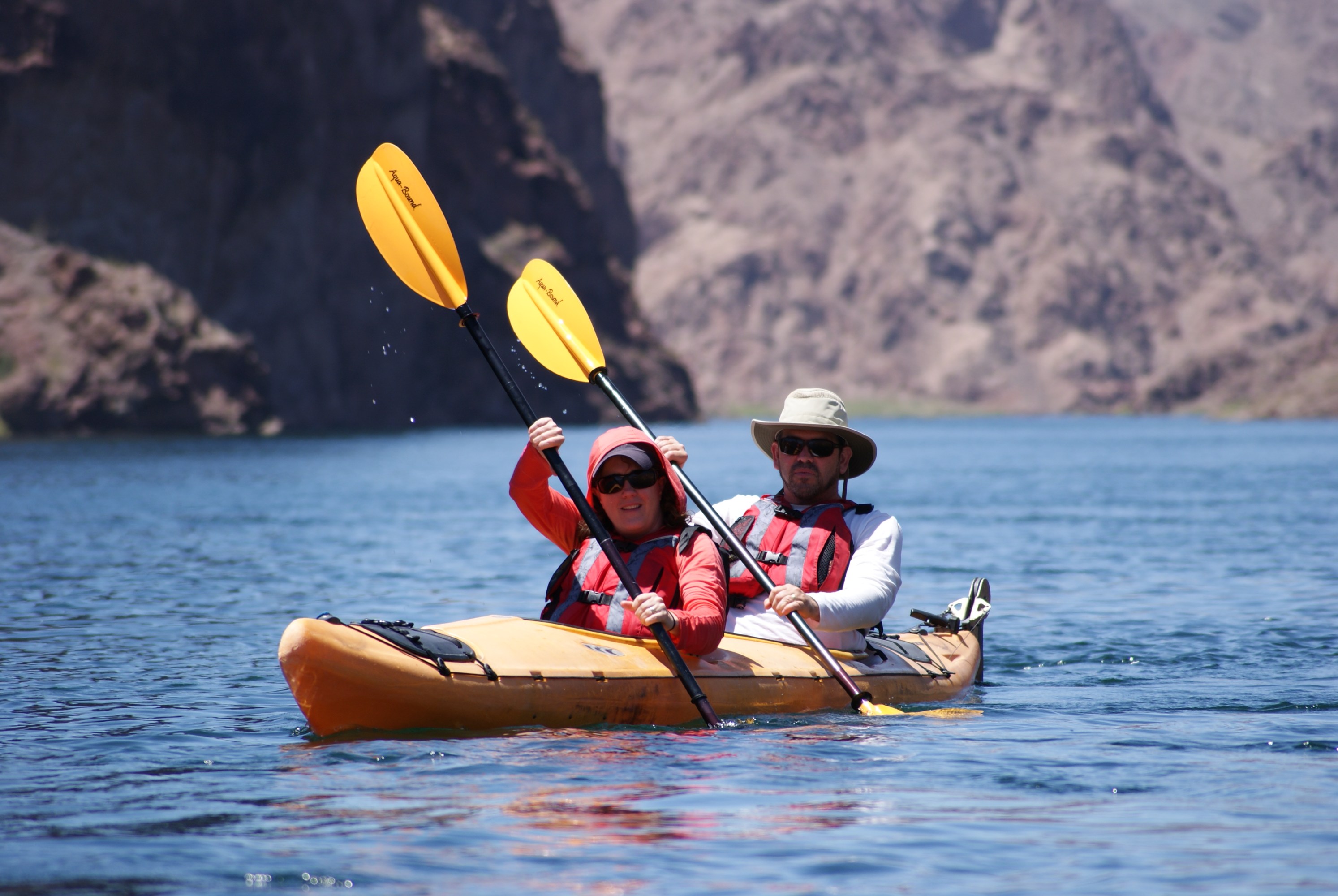
The average kayak speed for most people sits between 2 to 3 miles per hour on calm water. But small changes in technique and conditions can shift that number to a great extent.
While kayaking, some days feel smooth and fast. Other days feel slow, even with effort.
So what’s really going on here? How can you paddle better without burning out?
Let’s find out.
How Long Does It Take to Kayak? Average Kayak Speed by Distance
| Distance | Time at Average Kayak Speed (2–3 mph) |
|---|---|
| 1 mile | 20–30 minutes |
| 2 miles | 40–60 minutes |
| 5 miles | 2 to 2.5 hours |
| 10 miles | 4 to 5 hours |
| 15 miles | 6 to 7.5 hours |
What Is the Average Kayak Speed (and Why It Varies)
Most beginners paddle at about 2 miles per hour. With practice, that moves closer to 3 mph. Strong paddlers can reach 4 mph for short bursts.
But speed is often measured in knots too. One knot equals about 1.15 mph. So when you hear 2 to 3 knots, that means roughly 2.3 to 3.5 mph on the water.
Some guides and charts use knots instead of miles. It can feel confusing at first.
Speed is not just about strength. Water conditions play a role. Gear matters too. Even small habits shape your pace over time.
Picture this. Two people paddle side by side. Same kayak. Same stretch of river. One slowly pulls ahead. Why? Better rhythm. Cleaner strokes. Less wasted effort.
That’s the real gap.
There’s also a physical limit called hull speed. Every kayak has a top speed based on its length. The formula looks like this:
Hull speed = 1.34 × √(waterline length in feet)
So a kayak with a 10-foot waterline has a hull speed of about 4.2 mph. A longer kayak moves faster with less effort. That’s why touring kayaks glide better than short recreational ones.
Why Speed Matters More Than You Think
At first, speed feels like a number. But it quickly turns into something practical.
It shapes how far you can go. It decides how long your trip takes. Speed even affects how tired you feel at the end.
Say you plan a 6-mile paddle. At 2 mph, that’s about 3 hours. At 3 mph, it drops to 2 hours. That’s a big shift.
But remember one thing. Slow pacing can feel relaxing at first. But if you fall too far behind schedule, it adds pressure.
So yes, speed matters. Not for racing, but for control.
Real Conditions Change Everything
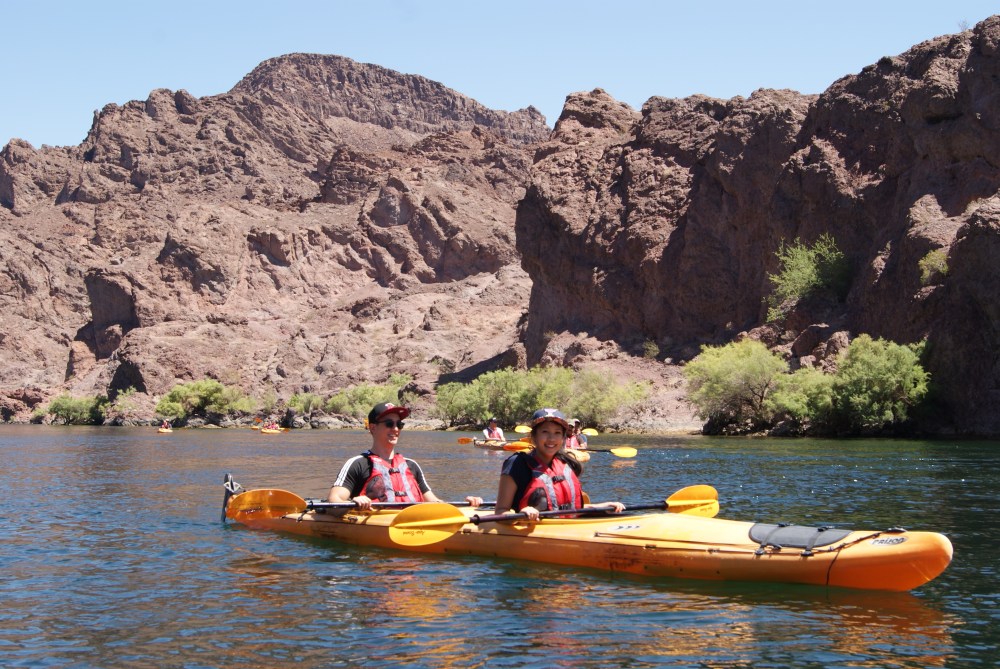
Calm lakes feel easy. Rivers feel different. Wind adds another layer you can’t ignore.
Take a stretch like Black Canyon. The water often looks flat. But it stays cold and steady all year. That affects how your body feels over time.
Now add wind. Even a light headwind changes your pace. A headwind around 10 knots can slow you by about 1 to 1.5 knots. That is a big drop. You feel it in every stroke.
Turn around, and things flip. A tailwind can add up to 2 mph. The kayak glides more. Each stroke carries farther. It feels easier right away.
Current matters just as much. Paddling downstream gives you a free push. Speeds can jump by 1 to 2 mph depending on flow. But upstream tells a different story. Your speed can drop below 1 mph. Sometimes it feels like you are barely moving.
Think about your last paddle. Did the water look calm but still feel slow? That is often wind or current working against you.
Tip 1: Fix Your Paddle Stroke First
Most people pull too hard with their arms. This wastes energy fast. Over time, it slows you down without you noticing.
A better stroke starts from your core. Your torso should rotate with each pull. Your shoulders turn slightly. Your arms follow the motion, not lead it. This spreads the effort across your body. It also keeps you going longer.
Your feet matter too. Press lightly against the foot braces as you rotate. That push adds power to each stroke. Without it, your movement feels loose and less controlled.
Your paddle path should stay close to the kayak. The blade enters near your feet. It exits near your hips. Clean in. Clean out. That part still holds.
There are two common styles as well. High-angle strokes and low-angle strokes.
- High-angle stroke
Blade stays more vertical
Strong and fast strokes
Good for speed and short bursts - Low-angle stroke
Blade moves at a lower angle
Smoother and more relaxed
Better for longer, steady paddling
So which one should you use? It depends on your goal. Want speed for a short stretch? Go high-angle. Want to cover distance without tiring out? Stay low-angle.
Tip 2: Sit Right or Lose Speed
Posture changes everything. Slouching shortens your reach. It also strains your back. Over time, your strokes lose power.
Sit upright. Keep your core engaged. Let your legs press lightly against the kayak. That connection adds control.
Even a slight shift in posture can change your pace over a long paddle. Think about it. Are you sitting strong or just getting by?
Tip 3: Match Your Kayak to Your Goal
Short, wide kayaks feel stable right away. They turn fast. But they move slower over distance.
Longer kayaks track straighter. They glide farther with each stroke. That helps you keep speed without extra effort.
| Kayak Type | Typical Speed | What It Feels Like |
| Recreational | 2 – 3 mph | Stable, easy, slower |
| Touring | 3 – 4 mph | Smooth and efficient |
| Sea Kayak | 3.5 – 5 mph | Fast and built for distance |
| Racing Kayak | 6 – 8+ mph | Very fast, needs skill |
Consider the hull shape. Flat hulls sit steady on the water. They feel safe for beginners. But they create more drag. That slows you down.
V-shaped hulls cut through the water. They reduce resistance. That makes each stroke more effective. Speed feels easier to hold.
There are also rounded hulls. They sit between the two. They balance speed and stability, but need better balance.
How Paddle Choice Affects Average Kayak Speed
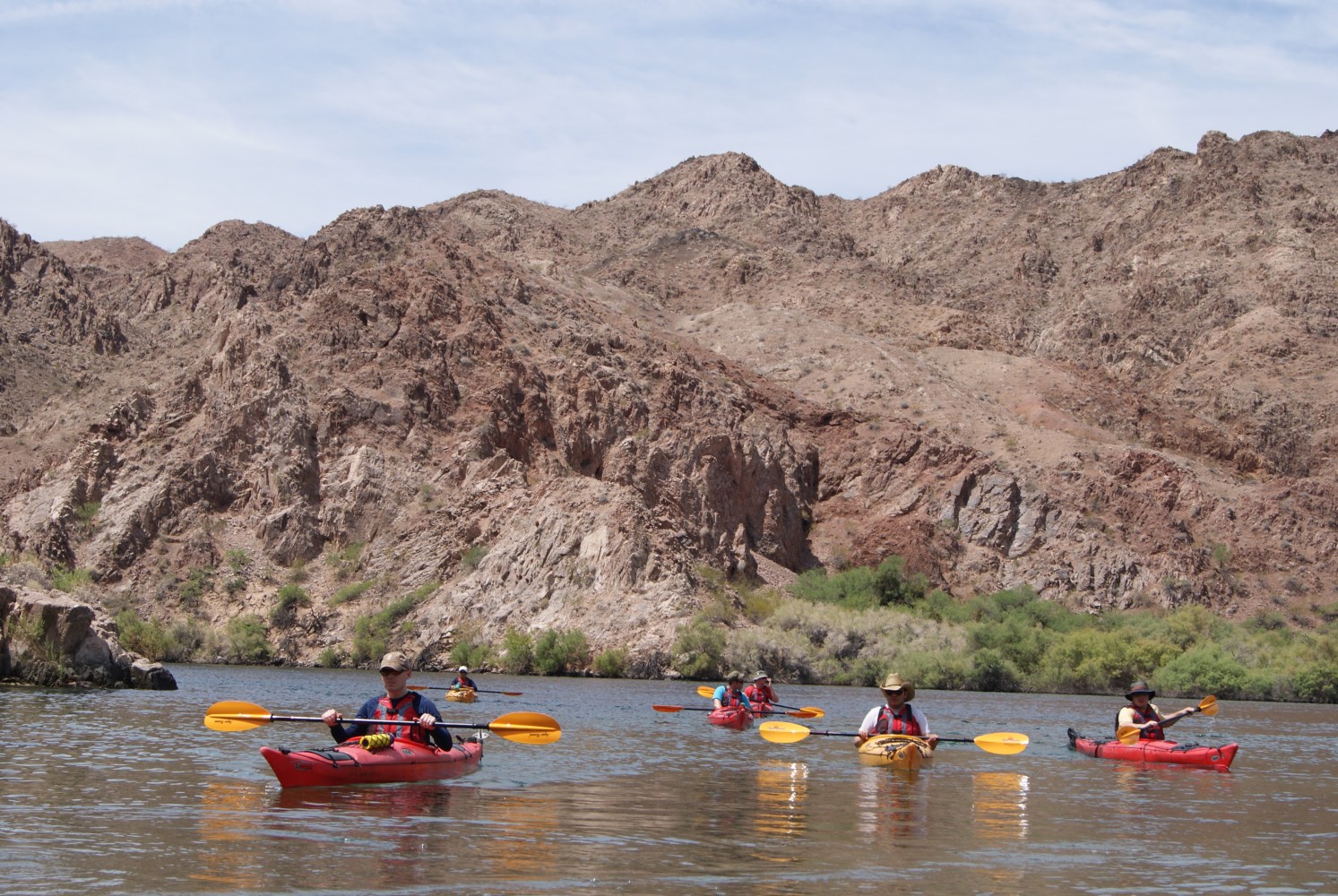
Most people focus on the kayak first. But the paddle matters just as much. It controls how each stroke moves you forward.
Paddle Weight
Heavy paddles tire your arms faster. Over time, your strokes lose power. That drops your pace.
Light paddles feel easier to lift and repeat. This helps you keep a steady rhythm. It also reduces strain on long trips.
Carbon fiber paddles are the lightest. They cost more, but they feel smooth. Fiberglass sits in the middle. Aluminum is heavier and often used by beginners.
Blade Size and Shape
Blade size affects how much water you pull. Larger blades move more water. That gives stronger strokes. But they also need more effort.
Smaller blades feel easier to use. They support a steady pace over time. That’s why many casual paddlers prefer them.
Shape matters too. Wide blades give quick power. Narrow blades support longer, smoother strokes.
If your strokes feel forced, your blade may be too big.
Shaft Material and Grip
The shaft is what you hold. Its material affects comfort and control.
Carbon shafts feel light and warm to the touch. Fiberglass feels similar but slightly heavier. Aluminum shafts feel colder, especially in cooler water.
Grip is important, as well. A smooth grip can slip when wet. Textured grips feel more secure.
Feathering Angle
Feathering changes how the blades line up. One blade sits at an angle to the other.
This helps reduce wind resistance. It also supports smoother strokes in windy conditions.
Some paddlers prefer a feathered angle. Others like a flat setup. There is no single best choice. It depends on comfort and control.
If wind slows you down often, this is worth testing.
Quick Paddle Comparison
| Feature | What It Affects | What to Choose |
| Weight | Fatigue and rhythm | Lighter for longer trips |
| Blade size | Power vs effort | Smaller for steady pace |
| Shaft material | Comfort and grip feel | Carbon or fiberglass if possible |
| Feathering angle | Wind resistance | Adjust based on comfort |
Tip 4: Read the Water Like a Local
Water has patterns. You just need to notice them.
Look for smooth sections. Avoid choppy areas when possible. Stay aware of wind direction.
On rivers near Willow Beach Marina, early mornings often feel calm. By midday, wind can pick up. That shift alone can change your speed by a full mile per hour. So timing matters.
Ever wondered why some paddlers head out early? That’s why.
Tip 5: Don’t Rush Your Rhythm
Speed is not about paddling faster. It’s about paddling better.
Many beginners rush strokes. They try to push harder. That leads to quick fatigue.
Instead, find a steady rhythm. One that feels repeatable. Think of it like walking. A steady pace gets you farther than bursts of speed.
This is where many people slip up. They chase speed instead of building it.
Tip 6: Keep Your Load Light
Weight slows everything down.
Extra gear adds drag. It also affects balance. That forces you to adjust constantly.
Bring what you need. Leave what you don’t. A lighter kayak moves cleaner. It responds faster.
Tip 7: Dress for the Water, Not the Air
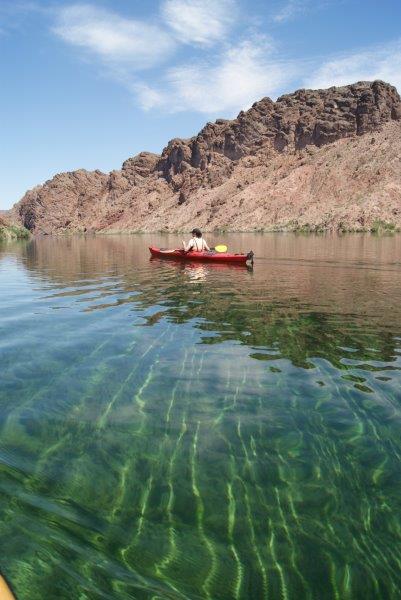
Near Hoover Dam, water stays around 55 to 60°F all year. Step in once, and the cold hits hard. Breathing changes first. It gets fast and sharp. Muscles tighten next. That makes paddling feel stiff and slow.
This is called cold water shock. It can happen in seconds. Even strong swimmers feel it.
So what should you wear? That depends on water temperature.
- Under 60°F water
Wear a wetsuit or drysuit. Wetsuits trap a thin layer of water and keep heat in. Drysuits keep you fully dry with layers underneath - 60–70°F water
A thin wetsuit or paddle jacket helps. Focus on keeping your core warm - Above 70°F water
Light, quick-dry clothes work fine. You still want sun protection
Layering helps a lot. Start with a base layer that dries fast. Add insulation if needed. Finish with a wind or splash layer on top.
Why does this matter for speed? Cold muscles don’t move well. Your stroke gets shorter. Your rhythm breaks.
Stay warm, and everything flows better.
Tip 8: Learn From Guided Trips
Sometimes, watching a pro helps more than guessing on your own. That’s where guided trips stand out, especially around Emerald Cave.
With Evolution Expeditions, guides don’t just lead the way. They teach as you go. Right from the launch, you learn how to hold the paddle, how to keep strokes smooth, and how to move in a straight line without wasting energy.
Then it builds. Guides show how to pace yourself so you don’t burn out early. They explain how to turn cleanly near canyon walls. They also walk through safe entry and exit at rocky spots like cave stops.
You also get real conditions to learn in. Calm water, narrow cave entries, and shaded canyon sections all feel different. That variety helps skills stick faster. Ever tried learning from a video alone? It doesn’t click the same way.
Here’s what a typical guided trip includes:
- Duration: about 3 to 4 hours on the water
- Skill level: beginner-friendly, no past kayaking needed
- Gear: kayak, paddle, life jacket, and safety equipment
- Guidance: stroke basics, control, pacing, and river awareness
- Extras: cave stops, wildlife spotting, and small group setting
- Price: often around $100 to $190 per person
Trips usually start near Willow Beach Marina. The drive from Las Vegas takes about 45 minutes. After a short safety talk, you’re on the water learning by doing.
If the goal is to paddle better, not just paddle once, this helps a lot. Skills build faster when someone corrects you in real time.
Ready to try it for real? Book a tour today.
What Slows You Down Without You Noticing
Here are a few common things that reduce speed:
- Overgripping the paddle
- Uneven strokes on each side
- Poor posture over time
- Fighting wind instead of adjusting angle
- Carrying too much gear
Each one feels small. Together, they add up fast. Fix even one, and you feel the difference.
How Fast Should You Expect to Go?
Let’s make it simple.
- Beginner pace: about 2 mph
- Casual paddler: 2.5 to 3 mph
- Strong paddler: 3 to 4 mph
But don’t chase numbers too hard. Focus on feel first. A smooth 2.5 mph often beats a messy 3 mph.
How Long It Takes to Kayak Common Distances
This table shows how long common distances take at different speeds.
Kayak Time Calculator (Based on Speed)
| Distance | At 2 mph (Beginner Pace) | At 3 mph (Steady Pace) | At 4 mph (Fast Pace) |
| 3 miles | 1.5 hours | 1 hour | 45 minutes |
| 5 miles | 2.5 hours | 1 hr 40 mins | 1 hr 15 mins |
| 8 miles | 4 hours | 2 hr 40 mins | 2 hours |
| 10 miles | 5 hours | 3 hr 20 mins | 2.5 hours |
| 15 miles | 7.5 hours | 5 hours | 3 hr 45 mins |
What Changes These Times
The table gives a base estimate. Real trips often take longer. Here’s why:
- Stops along the way
Short breaks feel quick. But they stack up over time. - Wind conditions
Even light wind slows progress. Headwinds matter the most. - Water current
Going downstream feels faster. Upstream takes more effort. - Group pace
You move as fast as the slowest paddler. That’s how group trips work. - Entry and exit points
Getting in and out takes time. Especially on rocky shores.
Average Kayak Speed by Kayak Type
Some kayaks are built for stability. Others are built for distance. Here’s a simple breakdown to make it clear:
| Kayak Type | Average Speed (mph) | What It Feels Like on Water |
| Recreational | 2 – 2.5 mph | Stable and easy, but slower over distance |
| Touring | 3 – 4 mph | Smooth glide, built for longer trips |
| Sea Kayak | 3.5 – 5 mph | Fast and efficient, handles open water well |
| Fishing Kayak | 1.5 – 2.5 mph | Heavy and stable, not built for speed |
| Whitewater | 2 – 3 mph | Quick turns, speed depends on current |
| Racing Kayak | 5 – 7+ mph | Very fast, needs skill and balance |
Speed on the water is not about pushing harder. It’s about moving smarter, staying steady, and knowing when to adjust.
Are you trying to go fast, or are you actually moving well?
FAQs
What is a good average kayak speed for a beginner?
A beginner usually paddles at about 2 miles per hour. That feels steady and not too tiring. Some may start a bit slower, especially in wind or current. With practice, speed can reach 3 miles per hour. The key is smooth strokes and good rhythm. Speed builds over time, not in one trip.
How long does it take to kayak a mile?
Most people take about 20 to 30 minutes to kayak one mile. This depends on pace, wind, and water conditions. A faster paddler may finish in 15 minutes. A relaxed pace may take longer. Breaks also add time. It helps to plan extra minutes so the trip feels easy and not rushed.
What slows down a kayak?
Many small things can slow a kayak down. Wind pushing against you is a big one. Strong current also makes paddling harder. Poor technique wastes energy and reduces speed. Heavy gear adds drag. Even rough water can slow progress. Fixing posture and stroke often improves speed more than paddling harder.