5 Breathtaking Deserts in Nevada You Shouldn’t Miss
Nevada has five desert regions that feel raw, vast, and wildly different. Each offers its own kind of escape from city life.
Step away from the neon of Las Vegas and the land shifts fast. Roads stretch out. The air dries up. Suddenly, it feels like the real West has been hiding in plain sight all along. That contrast feels almost unreal.
So where should you actually go? More importantly, what makes each desert worth your time?
1. Mojave Desert: Red Rocks and Easy Access
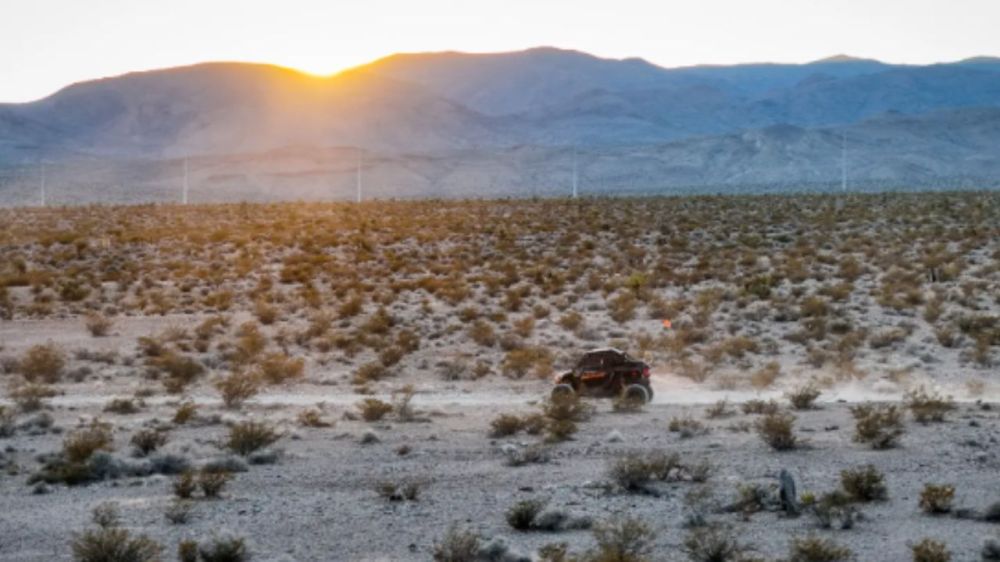
Credit: https://offroad.vegas/mojave-desert-history-fascinating-facts/
Start here if your time in Nevada is tight. The Mojave Desert sits right next to Las Vegas. One short drive, and the skyline fades. Red cliffs take over. Dusty trails stretch ahead.
The core of this region is Red Rock Canyon National Conservation Area. It sits about 20 miles west of the Strip. Elevation ranges from about 3,000 to 8,000 feet. That change in height shapes the views, the plants, and even the air.
The rocks here are around 150 million years old. Layers of sandstone formed from ancient dunes. Over time, wind and pressure turned them into the red cliffs you see today.
That’s why the color feels so rich.
What Makes This Place Stand Out
The desert here supports a full ecosystem. Joshua trees grow across the landscape. Desert tortoises live in the area. On most days, they stay hidden. Scattered across the canyon, you can even find ancient petroglyphs left by Native American tribes.
Trails, Drives, and Real Distances
You don’t need to guess what to do. Here are a few good picks:
- Scenic Drive (13-mile loop)
A. One-way road with multiple stops
B. Great for quick visits or sunset views - Calico Tanks Trail
A. Distance: ~2.5 miles round trip
B. Difficulty: Moderate
C. What you get: rock scrambling, a hidden water pocket, and a view of the Vegas valley - Ice Box Canyon Trail
A. Distance: ~2.6 miles round trip
B. Difficulty: Moderate
C. What you get: shade, cooler air, and sometimes a small waterfall - Turtlehead Peak Trail
A. Distance: ~5 miles round trip
B. Difficulty: Hard
C. What you get: wide views across the entire region
Climbing, Views, and Golden Hour
Red Rock is also a major climbing spot. Over 2,000 climbing routes exist here. They range from short sport climbs to long multi-pitch walls. Even if climbing isn’t the plan, watching climbers scale the cliffs adds a whole new layer to the scene.
Morning light feels soft. Evening light turns the cliffs deep red. Shadows stretch long across the ground. That’s when photos really stand out.
Add Water to the Plan: Black Canyon Paddle
Just beyond Red Rocks, the desert shifts again. The Colorado River cuts through Black Canyon, and the entire mood changes. It feels calmer.
Kayaking this stretch adds a second layer to the day. You move from dry land to cool water in under an hour. The contrast hits instantly.
Here’s what that paddle includes:
- Emerald Cave stop
The green glow comes from sunlight reflecting inside the cave Timing matters for the effect - Distance and route
Many trips cover a few miles of calm river. Some longer routes stretch toward Willow Beach Marina - Wildlife along the canyon walls
Desert bighorn sheep often appear on cliffs. Birds like hawks glide overhead - Water conditions
Smooth and steady most days. Good for beginners
Guided tours from Evolution Expeditions run through this exact section. They handle permits, timing, and route planning. That makes the day feel simple instead of rushed.
2. Great Basin Desert: Quiet, Cold, and Vast
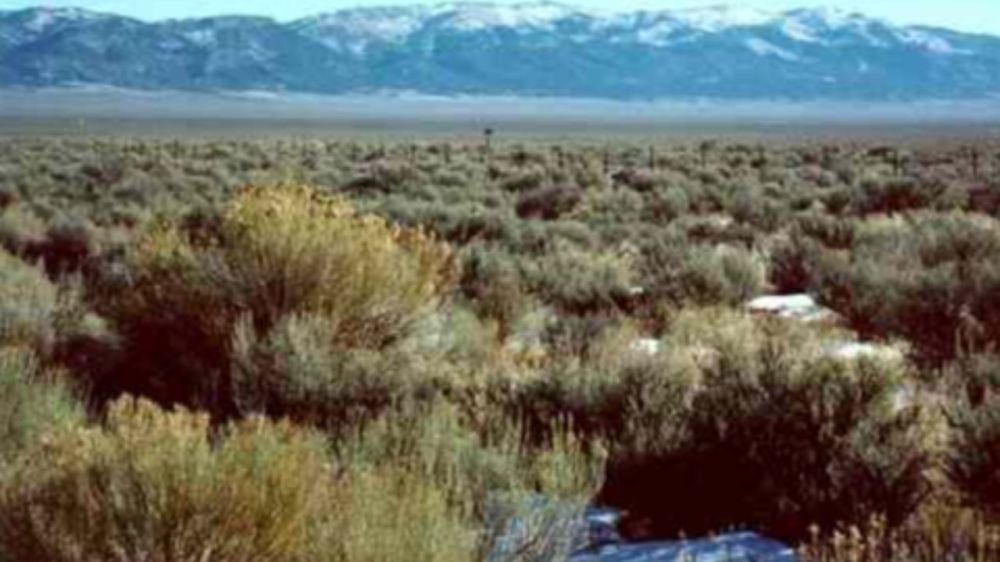
Credit: https://archive.bio.ed.ac.uk/jdeacon/desertecology/basin1.htm#top
The Great Basin Desert feels nothing like the Mojave. It’s higher, cooler, and far more open. The kind of place where you can stand still and hear absolutely nothing.
Most people head toward Great Basin National Park. This is where desert meets mountains in a way that feels unexpected. Snow can sit on peaks while dry valleys stretch below. It feels empty in a good way.
The park is also home to ancient bristlecone pine trees. Some living trees are over 4,000 years old. Specimens in the park are documented at nearly 5,000 years old. Think about that for a second. These trees were alive long before most cities even existed.
What can you actually do here?
- Stargaze under some of the darkest skies in the U.S.
- Hike Wheeler Peak if you’re up for a challenge
- Visit Lehman Caves for something different
Do you need crowds to enjoy a place? Or does quiet hit better?
This desert answers that fast.
3. Black Rock Desert: Flat, Wild, and Unforgettable
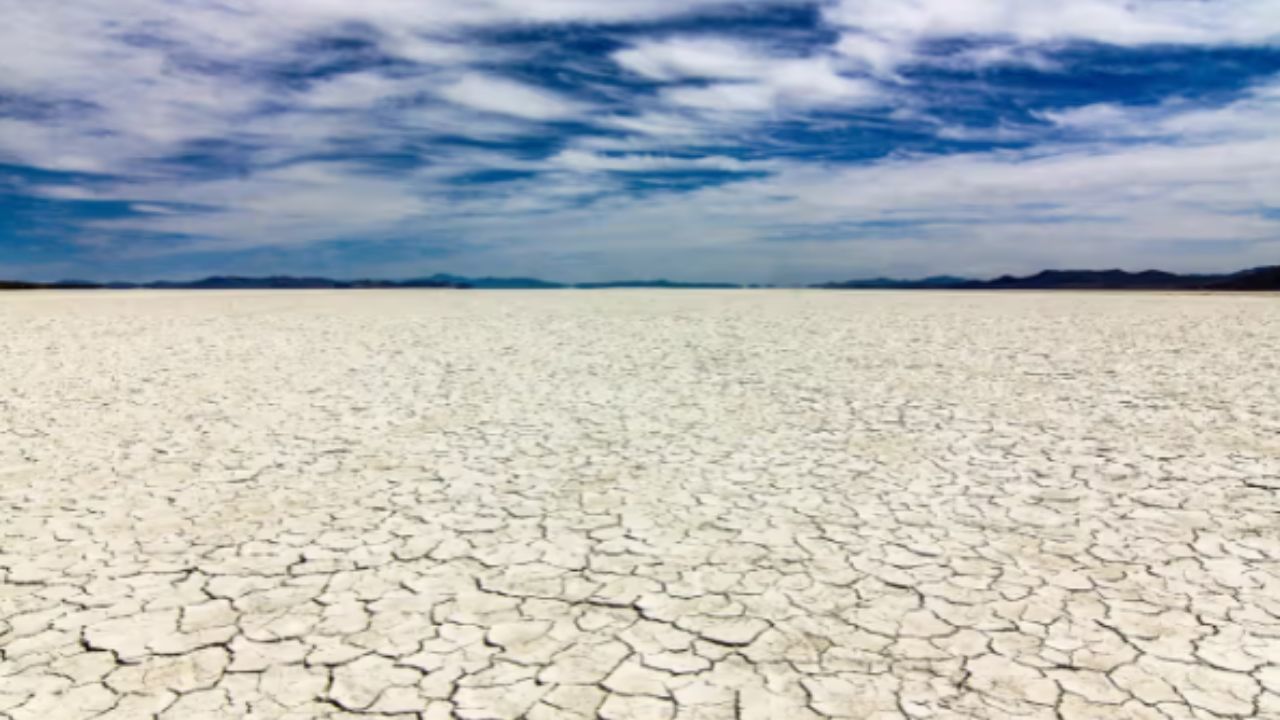
Credit: https://www.visitrenotahoe.com/regions/black-rock-desert
Picture a cracked, white surface that stretches for miles. No trees and shade. Just open land that feels almost surreal. That’s Black Rock Desert.
This is where the famous Burning Man takes place. For about nine days, the empty desert turns into a full city. Then it disappears again. Like it never happened.
It’s strange and kind of magical.
Outside the event, the playa feels calm and endless. People come here to drive across the flat ground, take photos, or just sit and take it all in.
A few things to keep in mind:
- There are no services nearby
- Weather changes quickly
- The ground can get muddy after rain
Ask yourself. Do you enjoy places that feel a little extreme? Not dangerous, but raw and exposed? If yes, this one sticks.
4. Amargosa Desert: Weird, Artistic, and Underrated
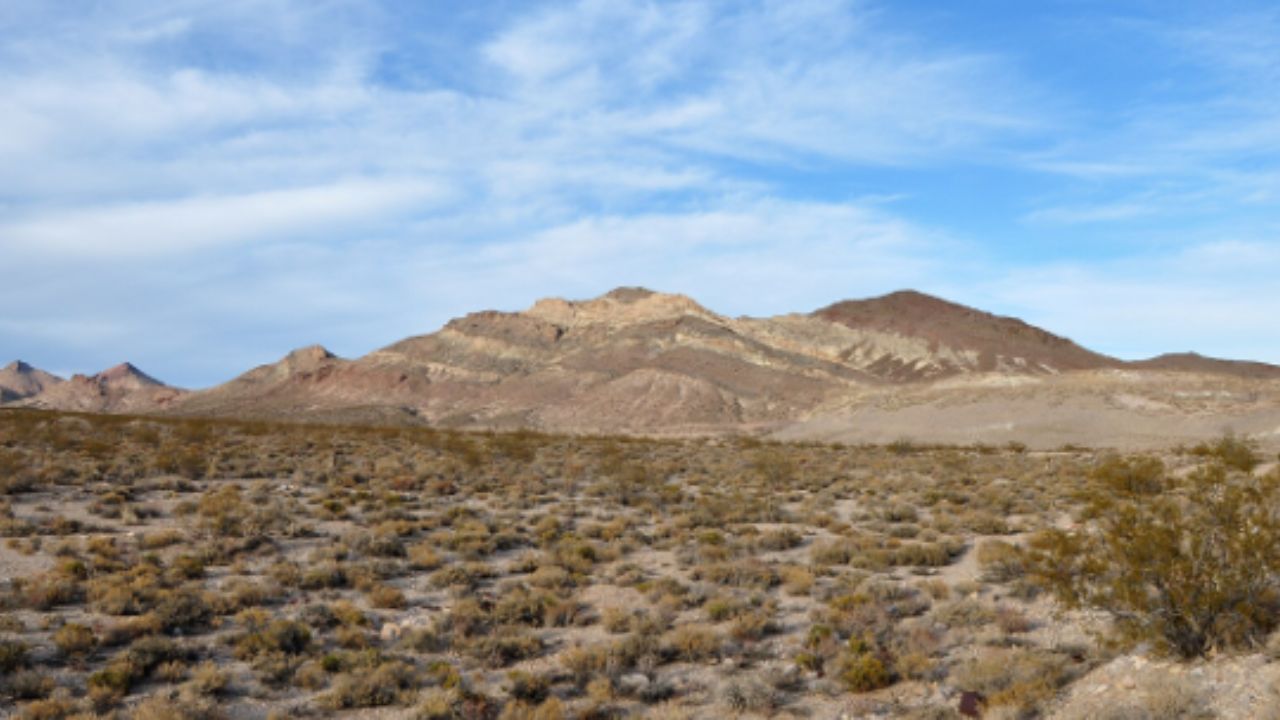
Credit: https://en.wikipedia.org/wiki/Amargosa_Desert#/media/File:Amargosa_desert.jpg

Some deserts feel strange in a way that’s hard to explain. The Amargosa Desert is exactly that.
It sits near the edge of Death Valley National Park. But it doesn’t get the same attention. That’s what makes it interesting.
Small towns pop up in the middle of nowhere. Old buildings. Quiet roads. And then suddenly, something unexpected shows up.
Like the Amargosa Opera House. A full theater in the desert. Hand-painted walls. Real performances. No big crowds.
Feels odd at first. Then it grows on you.
Things to check out here:
- Drive through the open desert roads
- Stop at local art spots and small museums
- Explore nearby hot springs if conditions allow
This isn’t about big sights. It’s about mood. Sometimes, that’s enough.
5. Colorado River Desert Sections: Water in the Dry
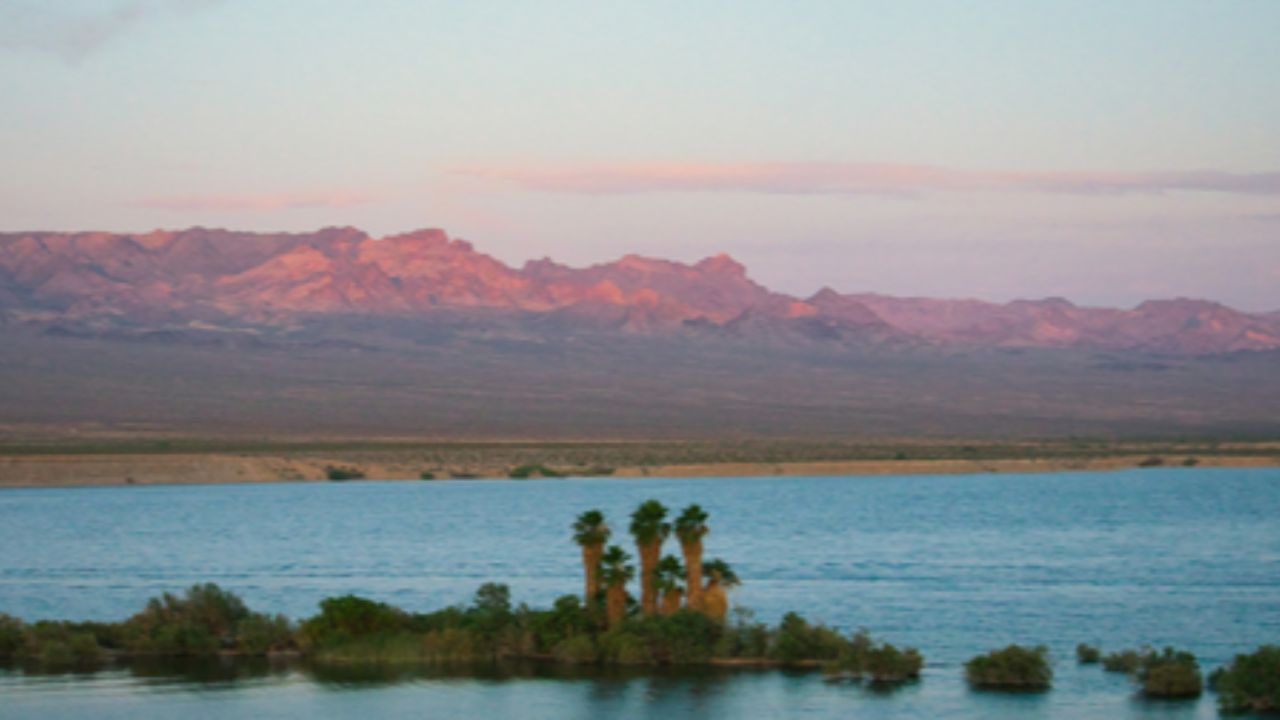
Desert and water rarely meet like this. But here, they do and it changes everything.
Just below Hoover Dam, the Colorado River slows down and slips into Black Canyon. The shift feels instant. Harsh desert tones soften. The air cools slightly. The river turns calm and glassy.
Canyon walls rise straight up on both sides. Some sections stay in shade for hours. Others glow gold when the sun hits just right. The water stays clear most days because it flows straight from Lake Mead below the dam. That steady flow keeps it smooth and beginner-friendly.
Then comes the highlight.
Emerald Cave: Why the Water Turns Green
The glow inside Emerald Cave happens because of light refraction. Sunlight enters the cave at a sharp angle. It hits the river surface and reflects upward. The cave walls bounce that light back again.
The result? A bright green glow that almost looks unreal.
But timing controls everything. Show up too early or too late, and it looks like any other cave. No glow, just shade.
That’s why most guided trips plan entry during a tight window. Usually late morning to early afternoon, depending on the season.
What the Paddle Actually Feels Like
The route here isn’t rough. It feels steady and calm. Even first-time paddlers get comfortable within minutes. That’s a big reason this stretch stands out.
You push off from Willow Beach Marina. The water barely ripples. The canyon slowly opens up ahead. No loud boats. Just the sound of paddles dipping in and out.
It almost feels like a natural lazy river. But quieter and far more real.
Still wondering if this works for beginners? It does.
What You See Along the Way
The full stretch keeps changing as you move. Here’s what shows up along the way:
- Side caves and small inlets
Short stops where light and shadow play off the water - Cliffside wildlife
Desert bighorn sheep often stand high on the rocks. Birds like hawks glide along the canyon walls - Hot springs and sandy banks
Quiet spots to pause, stretch, or take photos - Reflections on still water
Early in the day, the canyon mirrors perfectly on the surface
Guided Tour vs. Going Solo
Planning this alone is possible. But it takes effort. Permits, timing, launch points, and river conditions all need attention.
That’s where guided trips from Evolution Expeditions come in.
They run small-group kayak tours in this exact stretch. The focus stays on safety, timing, and local knowledge. No guesswork.
Here’s a quick look at our popular options:
| Tour | Duration | What You Get |
| Kayak Emerald Cave Express | ~3 hours | Short paddle, cave visit, basic stops |
| Kayak Emerald Cave Deluxe | ~4 hours | Longer route, snacks, more cave time |
Which Desert Fits You?
Sometimes it helps to see things side by side. Here’s a simple breakdown.
| Desert | Best For | Key Spot | Travel Time from Las Vegas |
| Mojave | Easy access, hikes | Red Rock Canyon | ~30 minutes |
| Great Basin | Quiet, cool air | Great Basin National Park | ~5 hours |
| Black Rock | Open land, events | Burning Man Playa | ~8–10 hours |
| Amargosa | Unique stops | Amargosa Opera House | ~2 hours |
| Colorado River Area | Water + desert mix | Black Canyon | ~45 minutes |
Each one feels different. That’s the point.
Best Time to Visit Each Desert
| Desert | Best Months | What It Feels Like |
| Mojave Desert | October to April | Mild days, cool mornings, great for hiking |
| Great Basin Desert | June to September | Warmer access, snow-free trails, clear skies |
| Black Rock Desert | Late spring to fall | Dry playa, easier driving, event season |
| Amargosa Desert | October to April | Cooler temps, better for exploring towns |
| Colorado River (Black Canyon) | October to April | Comfortable paddling, cooler desert air |
The desert isn’t just empty land. It shifts, surprises, and sometimes even cools you off when you least expect it. Which version of Nevada do you want to see first?
FAQs
How many deserts are in Nevada?
Nevada has four main desert regions. These are the Mojave Desert, Great Basin Desert, Black Rock Desert, and parts of the Amargosa Desert. Each one feels different. Some are hot and low, while others are higher and cooler. That’s why the landscape changes so much across the state.
What is the largest desert in Nevada?
The Great Basin Desert is the largest in Nevada. It covers most of the state. It also stretches into nearby states like Utah and Oregon. This desert is known for its wide valleys and high mountain ranges. It feels more open and less crowded than others.
Is Black Rock Desert safe?
Yes, the Black Rock Desert is safe if you plan well. The area is very remote. There are no services nearby. Weather can change fast, especially after rain. The ground can turn muddy and hard to drive on. Carry water, check conditions, and avoid going alone if unsure.
Which desert is closest to Las Vegas?
The Mojave Desert is the closest to Las Vegas. It starts just outside the city. Places like Red Rock Canyon are only about 30 minutes away. This makes it perfect for short trips. You don’t need much planning to visit.