
How to Choose the Right Kayaking Footwear (Step Guide)
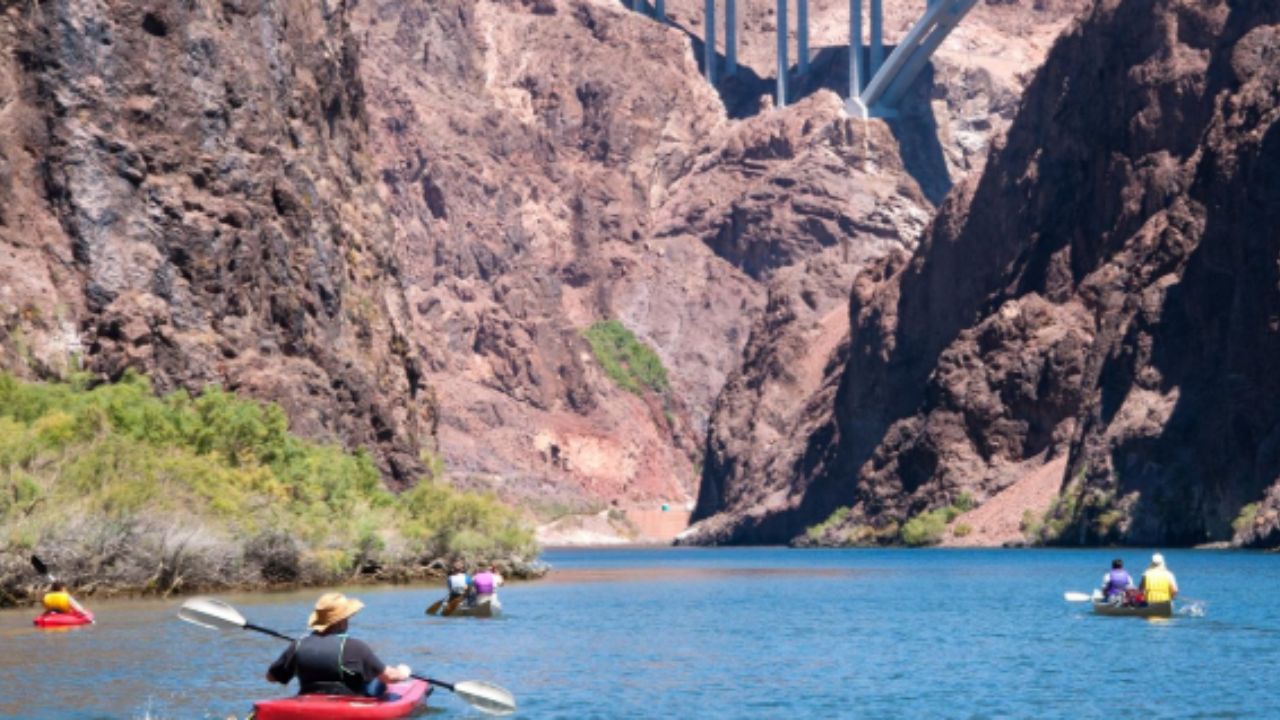
Choosing the best footwear for kayaking starts with one thing. You need grip, quick drying, and foot protection in wet conditions. Everything else builds from that.
Many people pick shoes that feel fine on land. Then they step onto wet rocks. Or into shallow water near the shore. That’s when things go wrong. Slips happen fast. Blisters show up later.
So the goal is to pick shoes that work in water first, not on dry ground.
Step 1: Know Where You’ll Paddle
Start with your location. It shapes every choice you make.
Kayaking near Black Canyon feels very different from a calm lake. The river here stays cold year-round. That water comes from deep below Hoover Dam. Even in summer, it feels sharp on your feet.
Now think about the shoreline. You will step on wet rocks at launch points like Willow Beach Marina. Some are smooth. Some are jagged. Either way, they stay slippery.
Ask yourself. Will you walk on rocks, sand, or mud?
If your trip includes cave stops like Emerald Cave, expect shallow water and uneven footing. You will get in and out of the kayak more than once.
That means your footwear needs strong grip, a secure fit, and quick drainage.
Step 2: Focus on Grip First
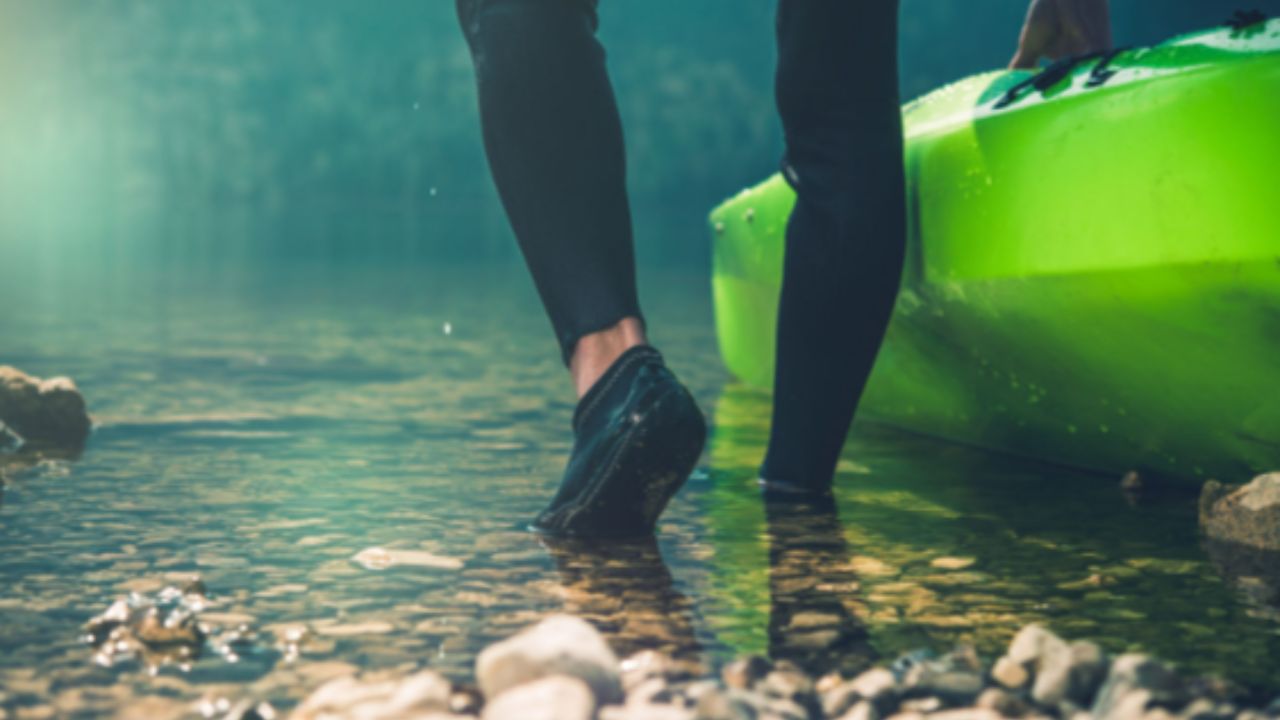
Grip is everything on the water. Wet surfaces behave differently. A rock that feels stable can turn slick in seconds. Add a thin layer of algae, and it gets worse fast.
That’s where most slips happen.
In places like Black Canyon, footing changes step by step. One rock sits dry. The next is half underwater. The angle shifts and the surface changes.
So your shoes need to adapt.
But it’s not just about tread. The rubber compound matters just as much.
What Actually Improves Grip
- Softer rubber soles
These feel slightly sticky. They grip wet rock better, almost like climbing shoes. Great for river edges and smooth stone. - Firmer rubber soles
These last longer. But they don’t stick as well on slick surfaces. Better for dry trails than wet rocks. - Flatter, wider sole surface
More contact with the rock. This improves stability on riverbeds and boat ramps. - Deeper lugs (tread)
Useful on dirt, sand, or loose ground. Less effective on smooth, wet stone.
On the Colorado River, flatter soles with soft rubber often perform better than aggressive tread. That’s because most contact happens on smooth, wet rock, not loose dirt.
What to Avoid
- Flat fashion soles with no texture
- Hard rubber that slides on wet surfaces
- Very deep tread without surface contact
Step 3: Check How Fast They Dry
Water will get into your shoes. That part is guaranteed.
Slow-drying shoes stay wet for hours. Your skin softens and friction builds. Then blisters show up. Once that starts, even a short paddle feels uncomfortable.
Some materials hold warmth. Others push water out fast.
Material Breakdown
| Material | Drying Speed | Warmth Level | Best Use |
| Neoprene | Slow | High | Cold water, early mornings |
| Nylon Mesh | Fast | Low | Warm weather, frequent stops |
| Synthetic Leather | Medium | Medium | Mixed use, light protection |
Neoprene traps water inside. That sounds bad, but it keeps warmth in cold rivers like those near Hoover Dam.
Mesh works the opposite way. Water flows out quickly. Your shoes feel lighter within minutes. That helps during repeated stops at places like Emerald Cave.
Synthetic leather sits in the middle. It offers some structure and protection. But it won’t dry as fast as the mesh.
So what should you pick?
If the day is warm, go for fast drainage. If the water feels cold, accept slower drying for added warmth.
Step 4: Think About Protection
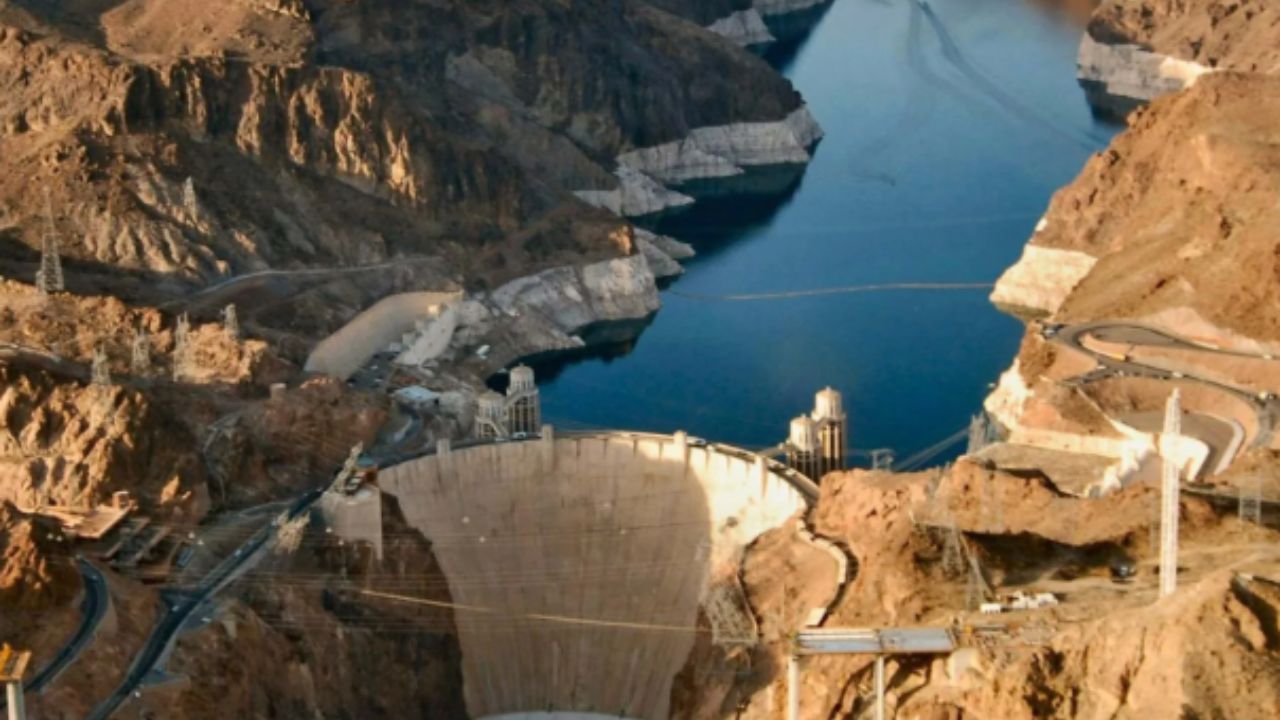
Credit: https://www.britannica.com/topic/Hoover-Dam
Not all riverbeds are friendly. Some hide sharp edges. Others have loose stones that shift under pressure.
That’s where protection comes in.
In areas near Hoover Dam, rocks can feel rough and uneven. Some spots even have broken shells or debris. Thin footwear won’t help here.
So what should you check?
- Toe coverage to block direct hits
- Thick soles to reduce pressure from sharp rocks
- Secure fit so shoes don’t slip off in water
Ever stubbed a toe underwater? It hurts more than expected.
Closed-toe shoes often work better for rocky routes. Open designs feel light but leave your feet exposed.
Step 5: Match the Fit to Your Trip Length
Some kayak trips last an hour. Others stretch across half a day.
That changes your needs.
Short trips allow simpler footwear. But longer paddles need more support. Your feet stay in one position for a long time. Then suddenly, you step out and walk.
If you’re joining a guided paddle with Evolution Expeditions, expect a mix of sitting and short walks. Our routes often include stops along the river. Some beaches feel soft. Others feel rocky.
So your shoes must handle both.
Look for:
- Snug fit without tight pressure
- Light cushioning for longer wear
- Secure straps or laces
Loose shoes create friction. That leads to blisters fast.
Step 6: Consider Water Temperature
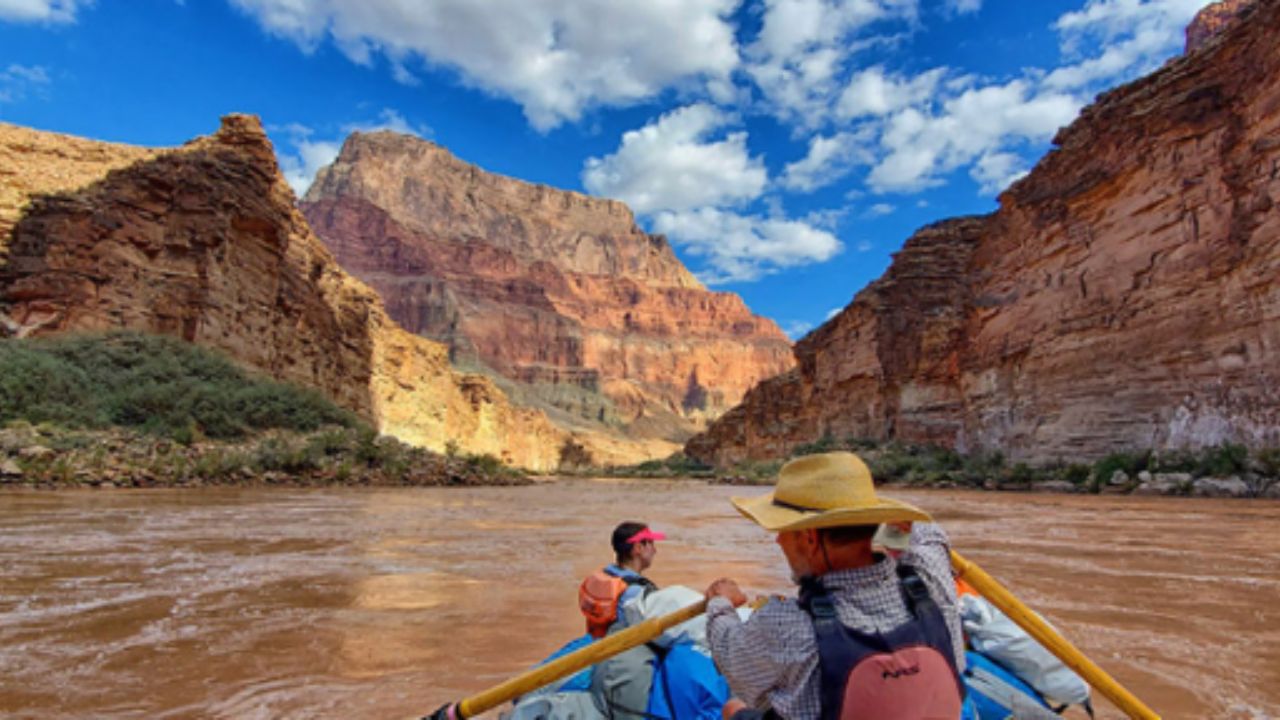
Credit: https://www.grandcanyontrust.org/blog/colorado-river-facts/
Cold water changes how your feet feel within seconds.
The Colorado River near Hoover Dam stays cold all year. Water temperatures often sit around 55–60°F (12–15°C). Even in peak summer, it does not warm up much.
That first step hits hard.
So footwear is not just about comfort here. It’s about handling that cold without slowing you down.
Now think about this. You launch early from Willow Beach Marina. The sun is still low. The air feels warm, but the water feels sharp. That contrast surprises most people.
Why does this matter? Because cold feet lose sensitivity fast. Balance gets worse. Footing feels less stable on rocks.
That’s where the right material helps.
What to Wear Based on Water Temperature
| Water Temperature | What to Wear | Why It Works |
| Below 60°F | Neoprene booties | Keeps warmth in, reduces cold shock |
| 60–70°F | Light neoprene or thick water shoes | Balances warmth and drainage |
| Above 70°F | Mesh water shoes | Drains fast and stays light |
Neoprene Thickness Guide
Neoprene thickness changes warmth and flexibility.
- 2mm neoprene → Light warmth, good for mild cold
- 3mm neoprene → Balanced warmth and flexibility
- 5mm neoprene → Strong insulation for colder water
For the Colorado River, 3mm is a safe middle ground for most people. It keeps feet warm without feeling too bulky inside the kayak.
Grip Still Matters
Cold water is only half the story. Wet rocks are still slippery.
So even in warm weather, don’t ignore traction. Shoes need grippy rubber soles with tread. Smooth soles fail here, no matter the season. Cold or warm, grip stays key.
Step 7: Balance Weight and Flexibility
Heavy shoes slow you down. Light shoes feel better. But there’s a balance.
Too light, and you lose protection. Too heavy, and your feet feel tired.
You want shoes that bend easily but still feel strong. Flexibility helps when stepping on uneven ground. It allows your foot to adjust naturally.
In Black Canyon, landing spots vary a lot. Some are sandy while others are rocky. A stiff shoe feels awkward here.
That slows you down. Light, flexible shoes keep movement smooth. They also feel better after hours on the water.
Step 8: Understand Entry and Exit Moments
Kayaking is not the same as smooth paddling. The real test comes when you step in and out of the kayak.
At Willow Beach Marina, the ground is not flat. It’s a mix of small rocks, wet sand, and uneven edges near the water. Early in the day, the area can feel busy. Kayaks line up. People move around. One wrong step on a slick rock can throw you off balance.
That’s where footwear matters most.
Think about the full route. You don’t just launch once. You stop along the way too. Places like Emerald Cave or small beach spots mean stepping out again. Then back in. Each time, your feet meet wet, shifting ground.
Guides at Evolution Expeditions suggest these types of shoes before tours
- Closed-toe shoes only
Open sandals leave toes exposed to rocks and sharp edges - Firm grip soles
Wet stones near the launch get slick fast - Secure fit
Loose shoes can slip off in shallow water
What NOT to Wear While Kayaking
Not all footwear works on the water. Some options look easy. But once you step into the river, problems show up fast.
Flip-flops
They feel light and simple. But they slip off easily in moving water. Even a small current can pull them away. Once they’re gone, you’re barefoot on sharp rocks.
Open-toe sandals
They have a similar issue. They stay on better than flip-flops. But they leave your toes exposed. On rocky shores like Black Canyon, that matters. One wrong step can hit hard edges or loose stones.
Then there’s another problem. When wet, open sandals can act like flippers while swimming. They drag against the water. That slows you down and makes movement awkward.
Crocs and similar slip-ons
People like them for comfort. But on wet rocks, they lack grip. The soles are flat. That means less traction when surfaces get slick.
Footwear Types Breakdown
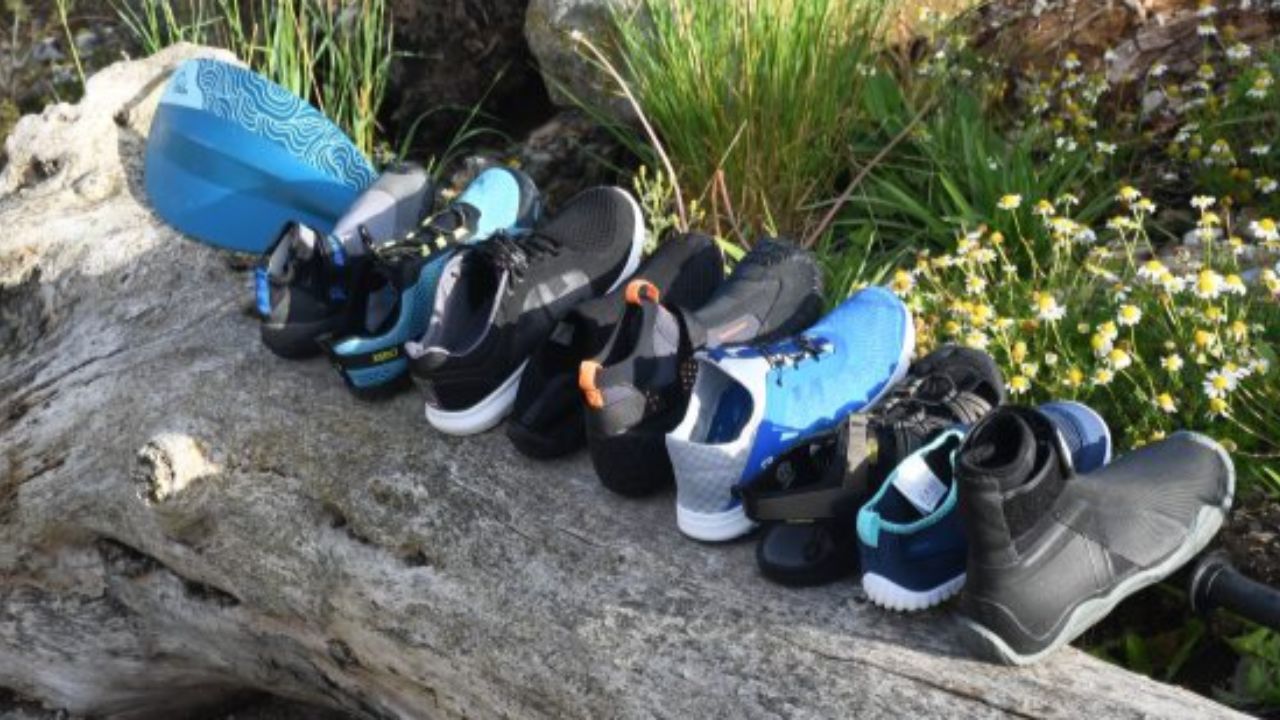
Different kayaking footwear work well for different types of trips.
1. Water Shoes
Water shoes are the most common choice. They are light, flexible, and built to drain fast. Most designs use mesh. So, water flows out quickly after each step.
On the Colorado River near Willow Beach Marina, this matters a lot. You step in and out of the water often. Quick drying keeps your feet from staying soaked.
They also offer decent grip on wet rocks. It is not the strongest. But it is good enough for most stops like Emerald Cave. These are best for short to mid-length paddles.
2. Neoprene Boots
Neoprene boots are made for colder water. They trap a thin layer of water inside, which your body warms up. That keeps your feet from feeling the cold shock.
This works well below Hoover Dam. The river here stays cold year-round. Early morning paddles can feel sharp without some insulation.
They also stay snug on your feet. That helps if you step into deeper water or need to swim briefly. These boots suit cold conditions and longer trips.
3. Sandals (with straps)
Sandals feel open and easy. They dry fast and work well in warm weather. But they come with trade-offs.
On rocky shores in Black Canyon, sandals expose your toes. One wrong step can hurt. Some designs also slip if straps are loose.
Still, they work fine on sandy stops or calm sections of the river. Just make sure they have strong straps and a solid sole.
Sandals are ideal for warm days and light walking.
Quick Comparison Table
| Footwear Type | Grip on Rocks | Warmth | Dry Speed | Stays On in Water | Best For |
| Water Shoes | Good | Low | Fast | Good | Most trips |
| Neoprene Boots | Good | High | Medium | Excellent | Cold water |
| Sandals | Medium | Low | Fast | Varies | Warm, easy routes |
3 Kayaking Footwear Picks
Below are a few well-known picks that paddlers often trust.
1. Astral Loyak
This is a low-profile water shoe. It feels light and flexible on your foot. The grip stands out. It sticks well to wet rock. This helps during stops at places like Emerald Cave.
It also dries fast. That makes it a strong choice for short to mid-length paddles.
Best for: Grip and movement.
2. NRS Freestyle Wetshoe
This one is built for tighter kayak spaces. The neoprene upper keeps your feet warm in cold water. That matters below Hoover Dam, where the river stays cold all year.
The sole is thin but protective enough for rocky entry points. It also stays snug, even in deeper water.
Best for: Cold water and tight cockpits.
3. Level Six Creek Boot
This is a heavier option. It offers more protection and support than most water shoes. The sole feels thicker, which helps on rough or uneven ground.
It works well if your route includes longer stops or more walking. Not the lightest option, but it holds up.
Best for: Protection and longer outings.
Final Thought: What Really Matters
You don’t need perfect shoes. You need the right ones for your trip.
Think about where you’ll step. Think about how long you’ll paddle. Then choose footwear that supports those moments.
Everything else is extra.
So before your next paddle, ask yourself this. Are your shoes ready for water, rocks, and long hours?
FAQs
Can I wear regular shoes while kayaking?
Regular shoes are not a good choice. They get heavy when wet. They dry slowly and stay soggy. Grip is also weak on wet rocks. That can lead to slips or blisters. Pick water-friendly shoes instead.
Are water shoes or sandals better for kayaking?
Water shoes are often the better pick. They stay on your feet and protect your toes. They also grip well on wet ground. Sandals feel airy, but many slip or expose your toes. For rocky spots like Black Canyon, water shoes win.
What do you wear on your feet while kayaking?
Wear shoes made for water use. Look for a snug fit and good grip. Closed-toe styles work best on rocky routes. Mesh shoes dry fast. Neoprene shoes keep feet warm in cold water. Choose based on the river and weather.