
Kayaking Outfit Guide: 5 What-to-Wear Tips to Stay Safe
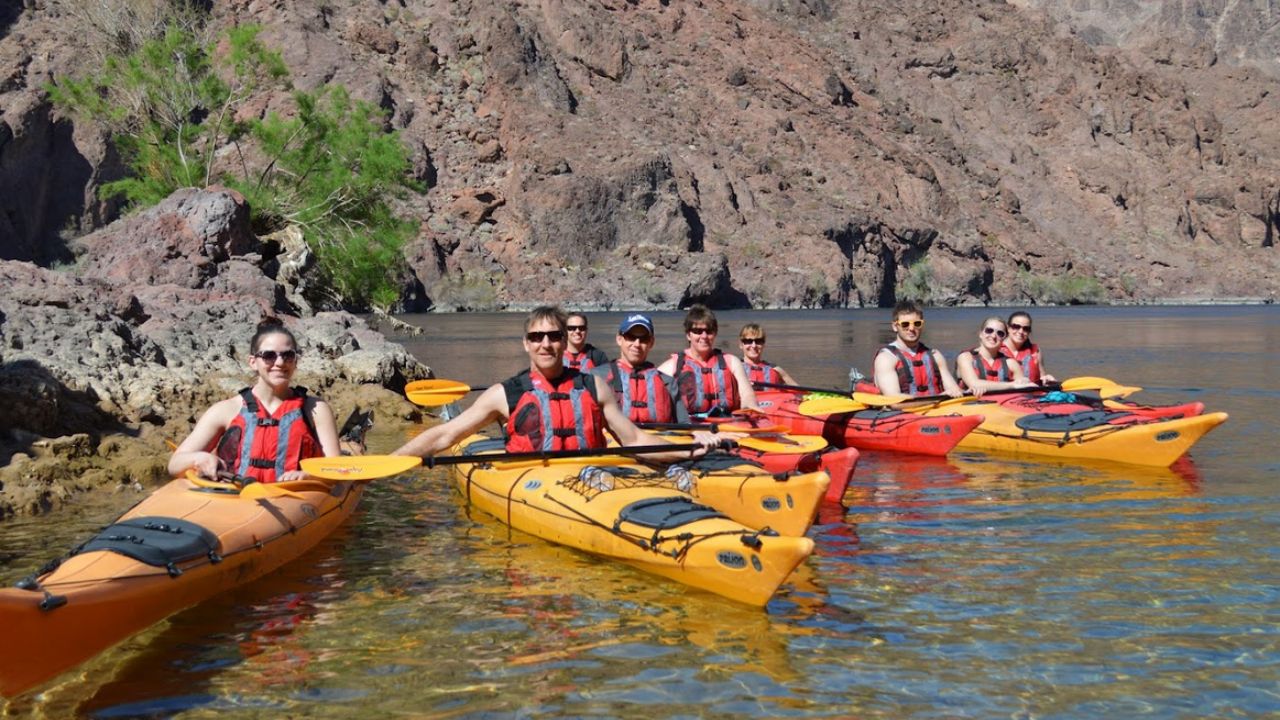
Understanding what to wear kayaking comes down to one simple idea. Dress for water, sun, and movement, not for the shore.
Comfort matters. Safety matters more. The right outfit keeps the body warm when wet, protects skin from the sun, and allows free motion for paddling. Everything else is secondary.
Deciding on what to wear is especially confusing for first-timers. This blog will give you a good understanding of kayaking outfits, so you can enrich your experience.
Why What You Wear Kayaking Matters More Than You Think
Kayaking looks calm. The water may seem flat. The sun feels friendly. But conditions change fast.
Water reflects UV rays. Wind cools wet skin. A small splash can soak clothes in seconds. Cotton stays wet and heavy. Poor shoes slip on rocks. Suddenly, a relaxing paddle feels stressful.
That is why outfit choices matter. The goal is not style. The goal is staying dry enough, warm enough, and protected enough to enjoy the day.
A common thought pops up here.
“Is this really that serious for a short, guided kayak trip?”
Yes. Even easy trips deserve smart clothing choices. Comfort allows focus on the scenery, not sore skin or cold legs.
Tip 1: Choose Quick-Dry Clothing That Works When Wet
Water happens. Splashing. Drips from paddles. Stepping in shallow water. Plan for it.
Avoid cotton. It absorbs water and dries slowly. Wet cotton pulls heat away from the body. This matters even in warm weather.
Instead, choose:
- Synthetic fabrics like polyester or nylon
- Lightweight athletic tops
- Breathable long sleeves for sun protection
These materials dry fast. They stay light when wet. They feel better against the skin.
For bottoms, options depend on the season:
- Warm weather: quick-dry shorts or lightweight leggings
- Cooler days: thin paddling pants or synthetic joggers
This advice applies across genders. When thinking about what to wear kayaking for women or men, fabric behavior matters more than cut.
Tip 2: Dress for the Season, Not the Calendar
Weather apps lie sometimes. Rivers and lakes follow their own rules.
Summer kayaking
Don’t consider hot weather synonymous with dressing minimally. Smart summer choices include:
- Long-sleeve UV shirts
- Light, breathable layers
- Wide-brim or fitted caps
Sunburn sneaks up fast on water. Long sleeves often feel cooler than bare skin under harsh sun.
Fall kayaking
What to wear kayaking in the fall is all about layers. The mornings feel cool. By midday it has warmed up.
Use:
- A moisture-wicking base layer
- A light insulating top
- A thin wind-resistant shell if needed
Layers allow easy adjustment without changing clothes.
Winter kayaking
What to wear kayaking in winter depends more on water temperature than air temperature. Cold water demands serious insulation and professional guidance. Dry suits or specialized cold-water gear are often required for safety.
If the trip runs in winter, outfit advice should always follow the guide’s instructions and local conditions.
Tip 3: Pick Shoes That Can Get Wet and Still Grip
Shoes matter more than most people expect. Kayak launches often involve rocks, sand, or slippery edges.
Flip-flops fall off. Bare feet get cut. Regular sneakers stay wet for days.
Good kayaking footwear should:
- Stay secure on foot
- Drain water easily
- Grip wet surfaces
Solid options include:
- Water shoes
- Closed-toe sandals with heel straps
- Lightweight trail shoes that dry fast
This advice applies whether searching for what to wear kayaking, male or female. Foot safety stays the same.
A quick test helps.
“Can this shoe handle wet rocks without slipping?”
If not, choose something else.
Tip 4: Protect Skin from Sun, Wind, and Water
Sun exposure doubles on water. Reflection hits from below. Wind masks heat loss.
Simple protection tools include:
- Sunglasses with a strap
- Sunscreen-safe for water environments
- A hat that fits snug
Lip balm with SPF often gets forgotten. Wind and sun dry lips fast.
Hands matter too. Some paddlers prefer fingerless gloves to prevent blisters. Others rely on proper grip technique. Both work.
The goal stays the same. Prevent small discomforts from stacking up.
Tip 5: Dress for Movement, Not Photos
Kayaking uses the torso, shoulders, and core. Tight clothes restrict movement. Loose clothes snag or bunch.
The best outfit:
- Allows full arm rotation
- Stays in place when seated
- Feels natural while paddling
This applies to all body types. When thinking about what to wear kayaking, women often worry about fit. Stretch fabrics help. So does testing outfits at home.
Sit down. Twist the torso. Raise arms overhead. If something pulls or rides up, rethink it.
What to Wear Kayaking for the Kayak Hoover Dam & Hot Springs Hike
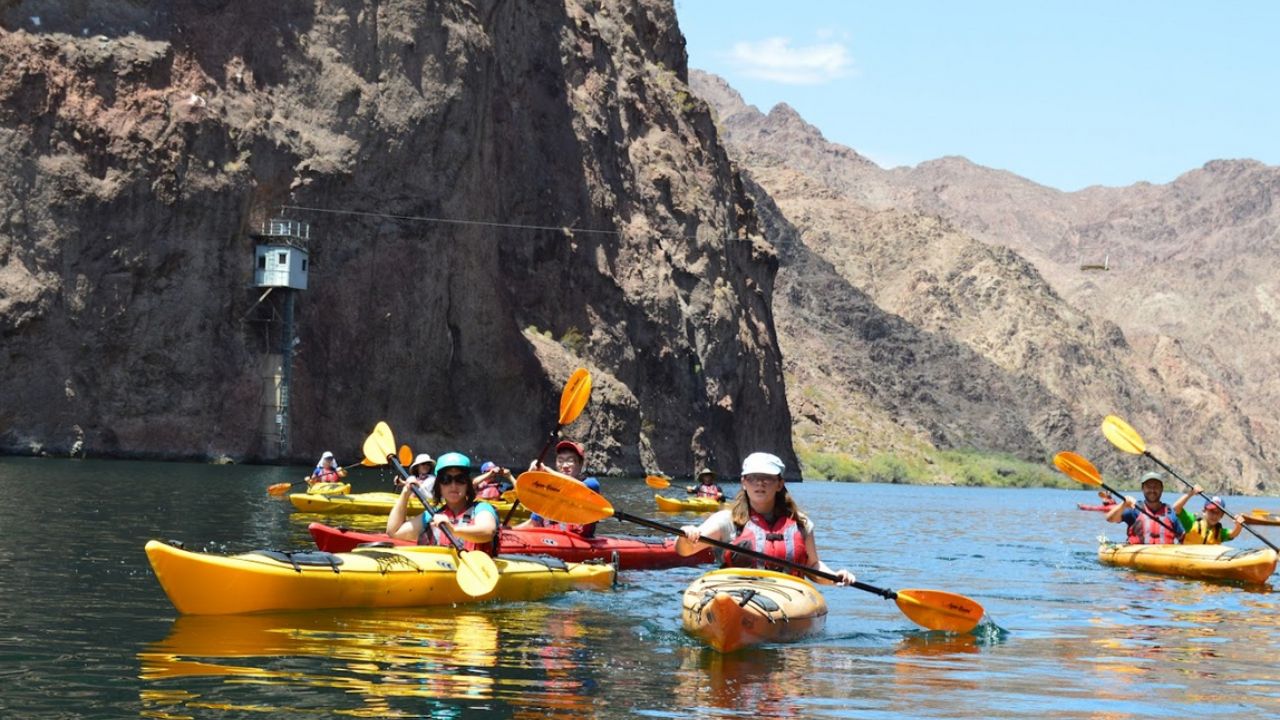
Some kayak tours are relaxed. This one is not.
The Kayak Hoover Dam & Hot Springs Hike by Evolution Expeditions is a full-day adventure that mixes paddling, hiking, and hot springs.
The tour begins at the base of the Hoover Dam. Evolution Expeditions holds rare permits that allow kayaks to launch directly from this location. Standing below the dam feels powerful and unforgettable.
From there, guests paddle twelve miles down the Colorado River through Black Canyon. The water is mostly calm, but the distance is long. This requires steady effort and focus.
Along the way, guides lead short hikes into side canyons. These hikes reveal hidden hot spring pools, a natural steam cave, waterfalls, and quiet beaches. Guests also stop to explore historic sites and watch for wildlife like bighorn sheep and bald eagles.
Because this tour includes long paddling, hiking, and soaking in warm water, clothing choice matters.
What your outfit needs to handle
- Long-distance kayaking
- Mild hiking on rocky terrain
- Hot spring soaking
- Sun exposure from the water and canyon walls
- Changing temperatures throughout the day
Lightweight, quick-dry clothing works best. A fitted top and flexible bottoms allow easy movement while paddling and hiking. Avoid cotton and denim. They stay wet and feel heavy.
Water shoes or sturdy sandals are important. Flip flops are not ideal for hikes or uneven ground.
Layering helps. Mornings can feel cool. The midday sun feels strong. A hat, sunglasses, and sunscreen are essential.
A small dry bag is useful for personal items, snacks, and a camera.
This tour is active and demanding. Dressing smart makes the day safer, more comfortable, and far more enjoyable.
Quick Outfit Checklist Before Leaving
- Quick-dry top
- Flexible, water-friendly bottoms
- Secure water shoes
- Sun protection
- Light layers if temperatures change
Simple. Practical. Effective.
Conclusion
What to wear kayaking is not about buying special gear or copying someone else’s list. It is about understanding water, weather, and movement, then dressing with intention. The right outfit fades into the background. It lets the experience take center stage. The real question becomes this. When the paddle hits the water, and the canyon opens up, will clothing be something to think about at all?