
The History of Kayaking
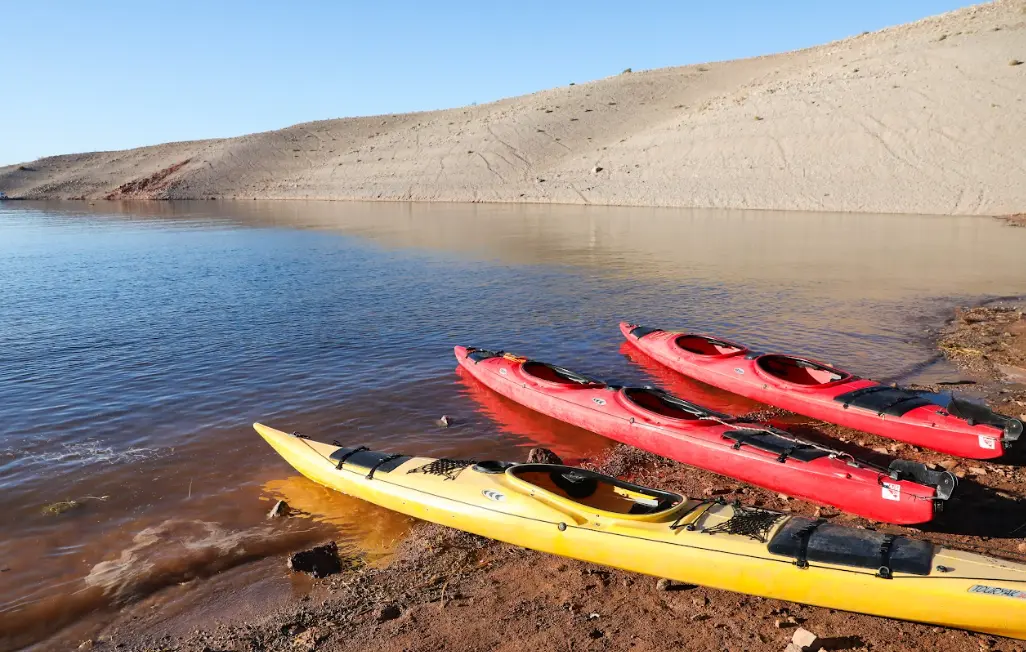
The History of Kayaking: From Ancient Origins to Modern Sport
Kayaking links modern recreation with a remarkably old tradition. What began as an essential Arctic craft for travel and hunting has become a favorite way to explore water around the world.
Ancient Origins: The Birth of Kayaking
Thousands of years ago, Inuit, Yupik, and Aleut peoples of Arctic North America built kayaks for survival. The Inuit word qajaq, often translated as “hunter’s boat,” reflects the craft’s original purpose: pursuing seals, whales, and other marine life on frigid water.
Builders used what their environment supplied—driftwood or whale bone frames, with sealskin hulls sewn tight and waterproofed with animal fat. Narrow, quiet hulls could slip through ice and along rocky coastlines, and each boat could be adapted for one paddler or for people and supplies.
These designs were sophisticated responses to an extreme environment. The knowledge to build and use them was handed through generations, preserving both practical skill and cultural meaning.
The Spread of Kayaking: From Survival to Sport
European explorers and whalers encountered Arctic kayaks in the 18th and 19th centuries and brought the idea home. By 1865, German explorer John MacGregor had popularized his own version, the “Rob Roy,” through journeys on European rivers and lakes.
Enthusiasm grew into clubs and competition. The Scottish Canoe Association formed in 1907, and early races helped establish kayaking as an organized sport rather than only an explorer’s pursuit.
The Modern Era: Kayaking as a Popular Sport
Twentieth-century materials made kayaks lighter, tougher, and more attainable. Fiberglass changed construction in the middle of the century, and later plastic boats opened paddling to even more people. Modern designs now serve whitewater, sea touring, fishing, and casual lake outings with better stability, speed, and maneuverability.
Kayaking entered the Olympics at the 1936 Berlin Games; sprint and slalom events still showcase the sport’s technical and athletic side. At the same time, recreational paddling has grown because beginners can enjoy everything from quiet lakes to challenging rivers.
It is also a low-impact way to spend time outdoors. A paddle through a place like Emerald Cave lets visitors experience a remote landscape directly while encouraging appreciation for the ecosystems that make it special.
From an Arctic survival tool to a global pastime, the kayak tells a story of ingenuity, adaptability, and a lasting connection to water. Every outing carries forward that legacy of exploration.
How Evolution Expeditions Can Help
Guided trips make it easier to begin your own chapter. Evolution Expeditions provides experienced guides, safety-minded equipment and preparation, all-inclusive planning, and small-group attention so guests can focus on the canyon, its geology, and the paddle itself.
A guided Las Vegas kayak tour is a welcoming way to explore the Colorado River and connect with the enduring spirit of the sport.
Recent Posts
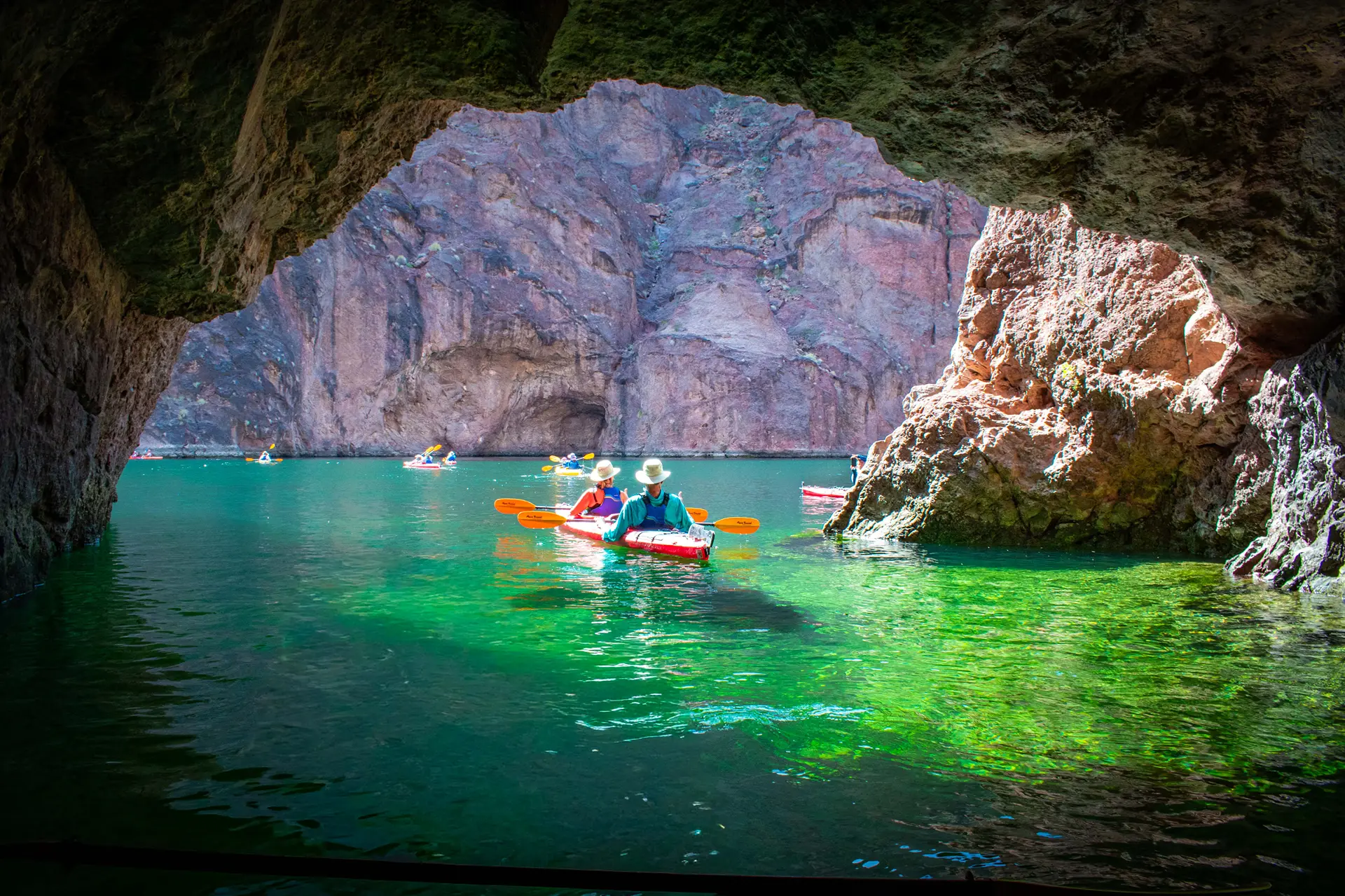
Halloween Weekend in Las Vegas: A River Adventure Beyond the Strip
Halloween weekend in Las Vegas: kayak Emerald Cave on a three-hour guided tour through Black Canyon, about one hour from the Strip.
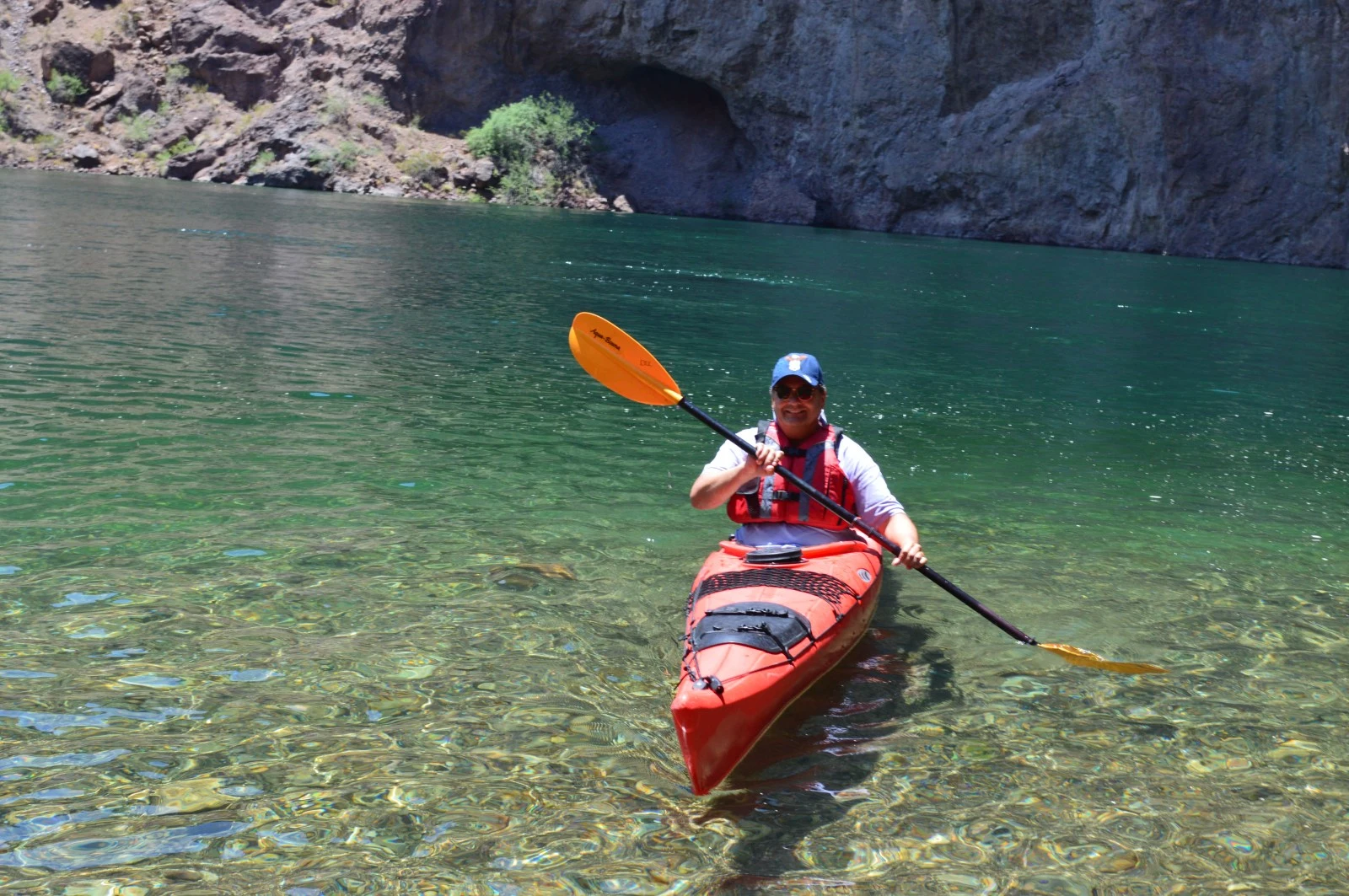
How To Paddle A Kayak Properly For Beginners: A Guide for First-Time Paddlers
Learning how to paddle a kayak is not difficult, but the right technique makes your time on the water easier, safer, and more enjoyable.
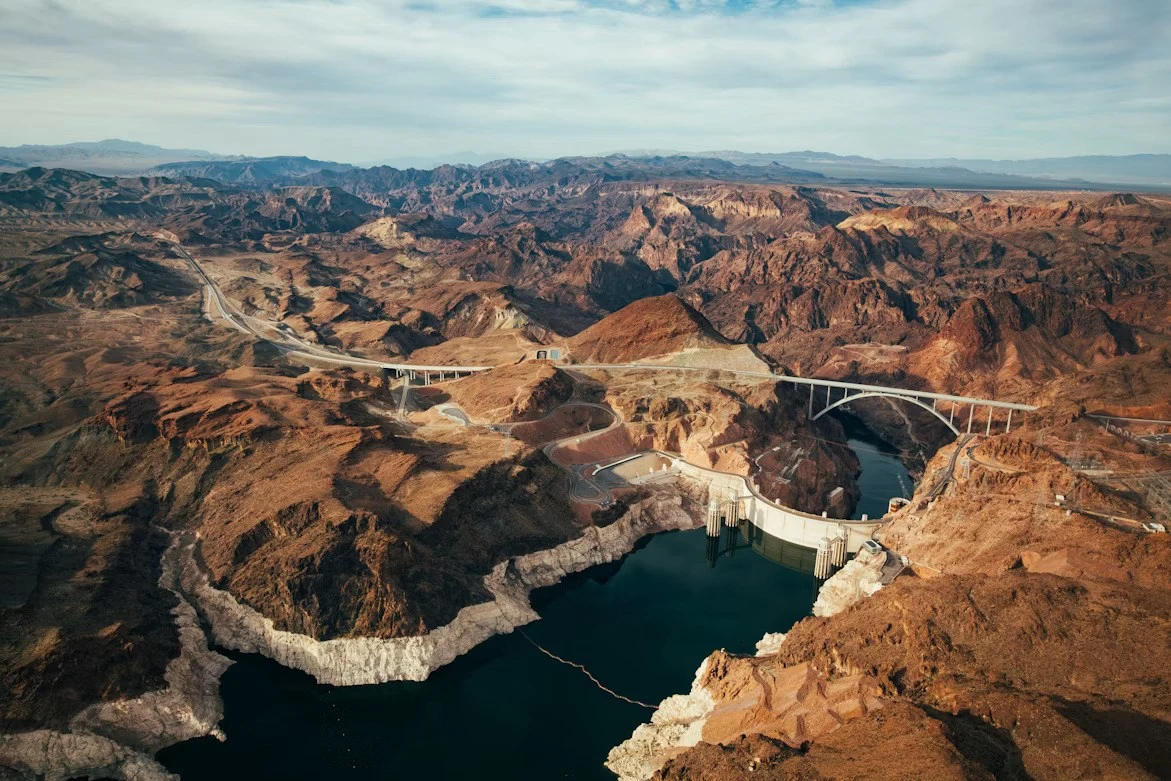
How Far Is Hoover Dam from the Grand Canyon? Travel Guide
Learn how far Hoover Dam is from Grand Canyon West, the South Rim, and the North Rim, with drive times and road trip planning tips.
Write Your Own Kayaking Story
Explore the Colorado River with an experienced guide on a memorable Las Vegas paddle.