
How To Paddle A Kayak Properly For Beginners: A Guide for First-Time Paddlers
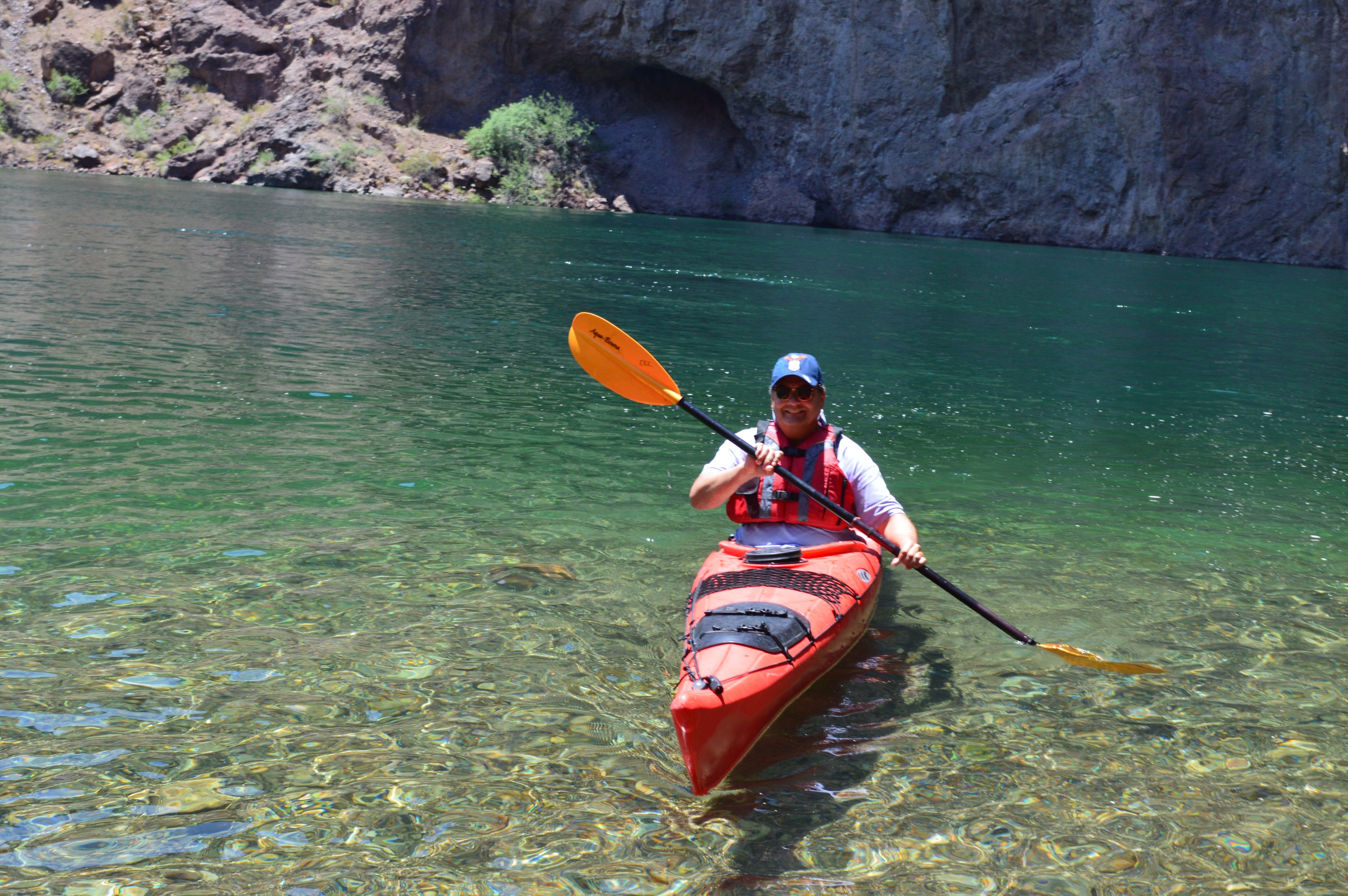
Learning how to paddle a kayak is not difficult. But it does take some practice. The right technique makes your time on the water easier and safer. It also helps you move in a straight line without getting tired too quickly.
This guide is written for first-time paddlers. It focuses only on sit-inside touring kayaks, especially Prijon brand kayaks. These are stable kayaks and commonly used on calm rivers and flat water trips.
By implementing the techniques below, you’ll understand basic control before you go on the water. This will help you feel comfortable in the kayak.
Understanding Sit-Inside Touring Kayaks
A sit-inside kayak means you sit inside the boat, not on top of it. Your legs go under the deck. This gives you more control and better balance in the water. Prijon touring kayaks are designed for calm water and river trips. They are stable and easy to steer once you understand the basics.
These kayaks usually include:
- A comfortable seat with back support
- Foot pedals for control
- A closed deck to keep water out
- A rudder system on some models for steering help
You do not need strength to control the kayak. You need technique and balance.
Getting Comfortable Before You Paddle
Before you even start moving, take a few minutes to settle in.
- Sit upright in the seat. Do not lean back too far.
- Keep your back relaxed but straight.
- Place your feet on the foot braces. Your knees should feel slightly bent. This helps you stay stable.
- Hold the paddle lightly. If you grip too hard, your arms will get tired quickly.
- Keep your shoulders relaxed. Many beginners tense up without realizing it.
How To Hold The Paddle Correctly
A kayak paddle has two blades. One on each end. Here’s how to hold it properly:
- Hold the paddle with both hands at about shoulder width.
- Your knuckles should line up with the top edge of the paddle blade. This is called the “correct grip position.”
- Keep your arms slightly bent. Do not lock your elbows.
The paddle should feel balanced in your hands. If it feels awkward, adjust your grip before you start moving.
The Forward Stroke
The forward stroke is the most important skill in kayaking. It moves you forward in a straight line. Here is how it works:
- Place one blade into the water near your feet
- Pull it back toward your hip
- Lift it out of the water
- Repeat on the other side
Keep your strokes smooth and steady. Do not paddle too far behind your body. Stop when the paddle reaches your hip. Use your core, not just your arms. Rotate your body slightly with each stroke. This makes paddling easier and more efficient.
Try to stay relaxed. Smooth strokes work better than strong, fast ones.
Keeping The Kayak Straight
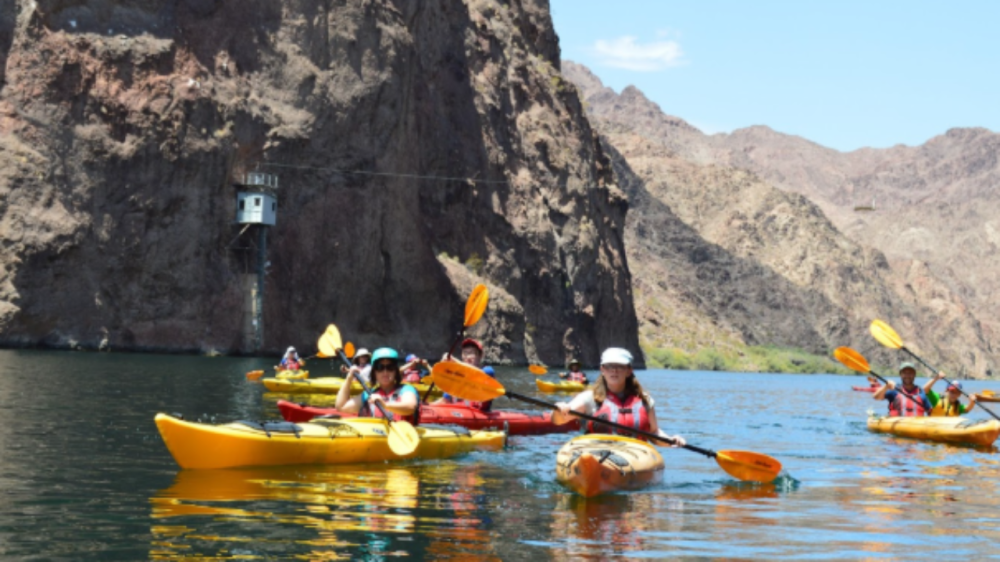
Beginners often drift left or right. This happens when one side is stronger than the other. To fix this:
- Switch sides often
- Keep your strokes even
- Look forward, not down
Your body naturally follows your eyes. If you look sideways too much, you may steer off course. Prijon touring kayaks have a pedal rudder system for easy steering of the kayak. This helps you stay straight with less effort. But you still need good paddle technique.
The Reverse Stroke
The reverse stroke helps you slow down or move backward. To do it:
- Put the blade in the water near your hip
- Push it forward toward your feet
- Lift it out
- Repeat on the other side
This stroke is simple but useful. It helps when you need to stop quickly or adjust your position.
How To Stop The Kayak
To stop the kayak, just stop paddling. Then use small reverse strokes if needed. You can also gently drag the paddle in the water to slow yourself down. Stay calm when stopping. Do not panic. The kayak will slow naturally.
Turning The Kayak (Sweep Stroke)
Turning is where many beginners struggle. The easiest way to turn is the sweep stroke.
To turn right:
- Put the paddle in the water near your left foot
- Sweep it in a wide arc toward the back
- The kayak will turn right
To turn left, do the same on the opposite side. Keep the stroke wide. Think of drawing a big curve in the water. Use your body, not just your arms. Rotate your torso as you sweep.
The Draw Stroke (Side Movement)
The draw stroke helps you move sideways. This is useful when you want to get closer to a dock or another kayak. To do it:
- Hold the paddle out to the side
- Pull the water toward the kayak
- Bring the kayak closer to the paddle
This stroke takes practice. Go slow at first.
Body Position Matters More Than Strength
Good kayaking comes from body position, not arm strength. Keep these simple rules in mind:
- Sit upright
- Relax your shoulders
- Use your core muscles
- Keep your grip light
- Rotate your torso when paddling
Safety Tips For First-Time Paddlers
Even in calm water, basic safety matters. Always:
- Wear a properly fitted life vest
- Listen to your guide or instructor
- Stay aware of other paddlers
- Keep both hands on your paddle
- Avoid sudden movements
Sit-inside touring kayaks are stable, but water conditions can still change. Staying calm is important.
How To Practice Effectively
You do not need a large river to practice. Start in calm, shallow water if possible.
Focus on:
- Straight forward paddling
- Smooth turning
- Stopping and starting
- Switching sides evenly
Practice short sessions. Rest when needed, and do not rush. Control comes with repetition.
Final Thoughts
Paddling a sit-inside touring kayak like a Prijon model is about learning simple movements and building confidence on the water. Once you understand the basic strokes, kayaking becomes smooth and enjoyable. The water feels easier to read. The kayak feels easier to control.
If you want to learn kayaking in a real river setting with guided support, you can experience it with Evolution Expeditions. Our guided tours use stable sit-inside Prijon touring kayaks. This makes them ideal for beginners who want to learn proper paddling techniques while exploring calm sections of the Colorado River and Lake Mead area.
It is a practical way to apply everything you just learned in a real environment with professional guidance.
FAQs
What not to do in a kayak?
Do not lean too far to one side or make sudden movements. Do not stand up inside the kayak. Avoid grabbing rocks or other boats while on the water.
What is the most common injury in kayaking?
The most common injuries are minor strains in the shoulders or back. These usually happen from poor paddling form or overuse. Proper technique and breaks help prevent them.
What not to wear when kayaking?
Do not wear heavy cotton clothing or jeans. They stay wet and become uncomfortable. Avoid loose shoes or anything that can easily slip off in the water.
Is it common to fall out of a kayak?
No, it is not common in stable sit-inside touring kayaks. Most paddlers stay safely inside. Falls usually happen only with sudden movements or unsafe behavior on the water.