
Is Swimming at Lake Mead Safe? Expert Tips
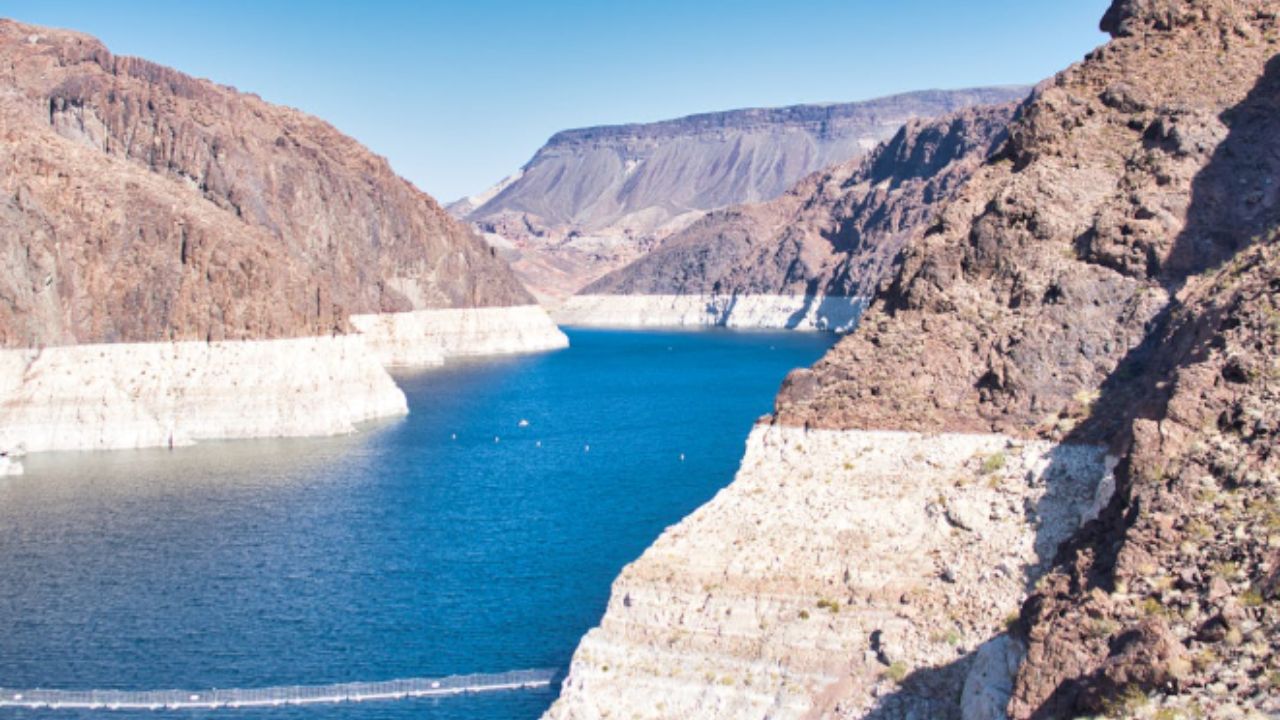
People often wonder if swimming at Lake Mead is truly safe. The short answer is yes, but safety always comes first. The water looks calm, clear, and inviting on hot days. But that beauty can hide real risks beneath the surface. Smart swimmers always learn the conditions before entering natural water. Lake Mead is not a pool or a resort lagoon. It is a manmade reserve in the desert with changing conditions. Swimming is allowed in many areas of Lake Mead and the experience can be beautiful, refreshing, and fun. But only when you take complete care of your safety.
Can You Swim in Lake Mead?
Lake Mead is suitable for swimming. In fact, the place is a famous destination for water recreation. Many beaches offer it as part of their activities. However, the important thing for every swimmer is to know that there are no lifeguards. It is therefore necessary for you to be cautious of three things:
- High winds
- Strong currents
- Harmful algae
Best Time of Year to Swim at Lake Mead
| Month | Average Water Temperature | Notes & Considerations |
| March | 58–62°F | Water is still cold. Only experienced swimmers should enter. Crowds are low. |
| April | 63–68°F | Water slowly warms. Mild weather makes swimming more comfortable. Early spring crowds remain light. |
| May | 70–75°F | Ideal for most families. Water feels pleasant, and beaches are moderately busy. |
| June | 78–83°F | Water is the warmest. Expect higher crowds, especially on weekends and holidays. |
| July | 85–90°F | Peak temperatures and busiest period. Swim early to avoid large crowds. |
| August | 84–88°F | Hot conditions persist. Afternoon storms from monsoon season can be dangerous. |
| September | 80–85°F | Water remains warm. Monsoon storms decrease, and crowds start thinning. |
| October | 72–78°F | Cooler weather returns. Water is comfortable, and beaches are quieter. |
| November | 65–70°F | Water begins cooling. Only strong swimmers may enjoy longer swims. |
| December–February | 58–65°F | Coldest months. Swimming is not recommended for children or inexperienced swimmers. |
Where Swimming Is Commonly Allowed
Some Lake Mead areas feel safer because the water stays calmer and access feels easier. Many locals and visitors choose these zones for relaxed swimming days. Each location offers different features for comfort, safety, and easy entry.
Popular swimming areas and what they offer
- Boulder Beach – Gentle shoreline entry and calmer water suit families and casual swimmers.
- Special Events Beach – Open space and easy access make it good for group outings.
- Hemenway Harbor area – Protected water and marina access help beginners feel safer.
- Designated marina shorelines – Sloped entry points support controlled and steady water access.
Additional well-known swimming spots
- Las Vegas Bay Beach – Sandy shoreline, restrooms, and picnic areas suit family visits.
- Fox Canyon Beach – Shade structures make hot summer swimming more comfortable.
- Callville Bay – Gradual shoreline entry works well for children and beginners.
- White Rock Bay – Scenic cliffs and fewer crowds suit confident, experienced swimmers.
These areas usually offer calmer conditions and clearer entry points. However, boat traffic can still pass nearby in several zones. Because of this, swimmers should stay alert and aware at all times.
No Lifeguards Means Real Responsibility
Lake Mead does not have lifeguard services. So, emergency response times can be long.
Medical help is not always close by. That’s why you must treat every swim like wilderness swimming. There is no safety net if problems happen.
This does not mean swimming is dangerous by default. It means you must be alert and prepared.
Real Risks You Should Understand
Lake Mead is beautiful but unpredictable. Several natural risks exist in open water.
Key risks swimmers should understand
Sudden depth changes
Shorelines can drop off sharply without visible warning. Uneven underwater terrain increases the risk of panic and fatigue.
Cold water shock
Deeper water stays cold even during hot summer months. Sudden immersion can cause gasping, cramping, and breathing loss.
Wind and wave danger
Strong desert winds can rise without warning. High winds have blown boats away from swimmers in open water. People have been left stranded far from shore in real situations.
Boat and jet ski traffic
Busy areas increase collision risk for open-water swimmers. Poor visibility makes swimmers harder for boaters to see.
Underwater hazards from low water levels
Lower lake levels expose sharp rocks and old infrastructure. Hidden debris, metal, and rebar increase serious injury risk.
Extreme heat exposure
Summer desert temperatures often exceed 110°F in this region. Heat stroke and dehydration cause emergencies separate from drowning risk.
Changing water levels
Seasonal changes reshape shorelines and swimming access points. Familiar areas can become dangerous without visible signs.
Water Temperature Awareness
Lake Mead water often feels warm near the shoreline. However, deeper water stays much colder throughout the entire year. Surface temperatures can reach about 80°F during summer months. Below the surface, temperatures drop sharply and stay cold year-round.
Local safety officials, including Nevada wildlife coordinators, have warned about cold pockets. Muscle cramping can become so severe that swimmers struggle to stay afloat.
Typical Lake Mead temperature patterns
| Season | Surface Temperature Range |
| Winter | 50°F to 55°F |
| Spring | 55°F to 65°F |
| Early Summer | 65°F to 75°F |
| Peak Summer | 75°F to 80°F |
| Fall | 60°F to 70°F |
Smart swimmers always enter slowly and test the water first. This helps the body adjust without triggering shock. Jumping into unknown depths increases serious safety risks. So, calm movement and steady breathing is essential to help maintain control in cold water.
Boat Traffic Safety
Boats are common in Lake Mead and some swimming areas are near boating zones. Jet skis also use many open areas. This makes visibility extremely important. Bright clothing and flotation devices help. It’s also advised to stay close to shore. Never swim in boat channels. Avoid marinas and launch ramps.
Algae and Water Quality
Water quality at Lake Mead changes with weather and seasons. Warmer months often increase algae growth in calm shoreline areas. Some algae types can irritate skin. This impacts your swimming safety negatively. Rare harmful algal blooms can also create serious health risks.
How to check current water conditions
Always review official updates before entering the water. Visit the National Park Service page for real-time advisories:
How do dangerous algae blooms look?
Visual signs help identify unsafe water quickly.
- Blue-green discoloration across the water surface
- Reddish or brown water patches near shorelines
- Foam or scum floating on top
- Strong earthy or rotten odors
Possible exposure symptoms in people
Health reactions can vary depending on the contact level.
- Skin rashes and irritation
- Eye redness and burning
- Stomach pain and nausea
- Headaches and dizziness
Extra risk for pets and dogs
Dogs face higher danger from algae exposure. Animals often drink lake water while swimming. Pets can become seriously ill very quickly.
Smart swimmers avoid water that shows warning signs. Careful planning protects both people and animals.
Best Conditions for Safe Swimming
The safest swims happen during calm conditions. Best swimming conditions include:
- Early mornings with calm winds
- Designated swimming areas
- Clear water visibility
- Low boat traffic times
- Mild temperatures
Avoid swimming during storms or high winds. Strong gusts can create dangerous waves.
Family Swimming Safety Tips
Lake Mead offers wonderful opportunities for family swimming. But safety should always come first. Children require close supervision at all times, even in shallow water. The National Park Service (NPS) requires that children under 13 wear life jackets whenever they swim beyond 50 feet from shore. Life jackets are strongly recommended for all kids. They can be borrowed free of charge from the park’s life jacket loaner program. Thus, it makes it easy for families to stay safe.
Families should follow simple guidelines to reduce risks:
- Stay in shallow areas where kids can touch the bottom and feel secure.
- Use approved flotation devices or life jackets, especially beyond 50 feet from shore.
- Avoid rocky shoreline entries, which can be slippery and dangerous for young children.
- Keep children within arm’s reach at all times, even for strong swimmers.
- Swim in groups rather than letting kids go alone, as conditions can change quickly.
- Avoid pool toys in open water, as they can be blown away by wind. In 2021, a young child drowned at Lake Mead after their pool toy floated too far from shore.
For families with young children, specific beaches are safer and more convenient:
- Callville Bay offers a gradual beach entry, making it easier for toddlers and beginners.
- Las Vegas Bay provides facilities like restrooms, picnic areas, and gentle sand for safer play.
Solo Swimming Is Not Recommended
Swimming alone at Lake Mead is extremely risky and strongly discouraged. Without a partner, no one is available to help if trouble arises. Fatigue, muscle cramps, or sudden cold water shock can make swimming dangerous very quickly. The National Park Service (NPS) specifically recommends telling someone your swimming plans and expected return time before entering the water.
If you ever find yourself in distress while swimming, follow these safety steps:
- Float on your back to conserve energy instead of struggling against the water.
- Signal for help by raising and waving one arm above your head.
- Avoid trying to swim back to a drifting boat, as many Lake Mead drownings occur this way. Overestimating distance and exhausting yourself can turn a minor problem into a fatal situation.
Always swim with a partner nearby. Stay close to populated or monitored areas whenever possible. Following these precautions greatly reduces risks and helps ensure a safe, enjoyable experience on the lake.
Simple Safety Checklist
| Safety Step | Why It Matters |
| Check weather | Prevents storm risk |
| Test water temperature | Avoids cold shock |
| Wear flotation | Adds safety margin |
| Swim near shore | Easier exit access |
| Avoid boat lanes | Prevents collisions |
| Stay hydrated | Prevents fatigue |
Simple habits save lives.
Good preparation creates safer fun.
Why People Still Love Swimming Here
Lake Mead offers a rare desert water experience. The cool water feels amazing in the summer heat, and the scenery feels unreal and peaceful. Surrounded cliffs create stunning views.
Swimming here feels natural and freeing. The desert lake creates an unforgettable contrast, which many visitors describe as refreshing. With smart choices, it can be safe and fun.
Lake Mead Sunset Paddle Tour with Swimming
If you want a safer swimming experience, guided tours help. The Lake Mead Sunset Paddle Tour is a perfect example. It combines kayaking, swimming, and sunset views. The experience feels calm, social, and well-managed.
This tour takes place at Lake Mead. Guests meet at Hemenway Harbor in Boulder City. The paddle happens during golden hour.
What the experience includes:
- A relaxing guided kayak tour
- Scenic paddle toward Boulder Island
- Calm evening water conditions
- Supervised swimming time at the island
- Campfire warmth near the shoreline
- Catered dinner with sunset views
- S’mores by the fire
- Lighted kayaks after dark
- Star-lit paddle around the island
Swimming happens in a controlled island setting. Guides manage timing and location and water access is planned and safe. The environment feels calm and relaxed.
This tour is ideal for beginners and works well for families and couples. It is perfect for date nights and also doubles up as a fun team-building activity.
Tour details:
- Duration: 3 hours
- Self-Drive Price: $159.99 per person
- Shuttle + Park Entry: $209.99 per person
- Meeting Point: 10 Lakeshore Road, Boulder City, NV
- Location: Lake Mead at Hemenway Harbor
- Evening start time based on sunset
Final Thoughts
Swimming in Lake Mead can be safe, but it requires awareness, planning, and respect. Remember, nature does not offer lifeguards or barriers. You create your own safety through smart choices.
With preparation and guidance, swimming becomes enjoyable and safer. Lake Mead offers beauty and calm moments. It rewards people who respect the environment.
Whether swimming from shore or kayaking, the experience can be unforgettable. Just swim smart and stay aware.