
Is Kayaking Hard? A Beginner’s Guide to Getting Started

Many people feel drawn to kayaking but pause before trying it. The question is almost always the same.
Is kayaking hard if you have never done it before?
That hesitation is completely normal. Being on open water can feel intimidating at first.
But here’s the reassuring truth.
Kayaking is much easier than most beginners expect.
With calm water, simple instruction, and the right mindset, it feels natural very quickly. Many first-time paddlers feel comfortable within minutes.
This guide explains what kayaking actually feels like. We are sure that by the end of it, you’ll find yourself confident enough to start your first kayaking adventure.
What Kayaking Really Involves
From a distance, kayaking can look complicated. But when you actually do it, you’ll find that it’s surprisingly simple.
You sit low in a stable boat and paddle forward. Each stroke moves you smoothly across the water. Modern recreational kayaks are built for balance. They float steadily and respond gently.
You are not fighting the water but are gliding with it.
Paddling on calm rivers is pure joy. Beginners are often surprised as to how little effort they need to make compared to other sports. Once you learn the right technique, they quickly become masters of the sport.
Is Kayaking Hard for First-Time Paddlers?
Before paddling, first-timers usually have many concerns. Most of them are somewhat scared to try it. But the reality is completely the opposite. The activity is quite easy. You don’t need:
- Prior boating experience
- Athletic training
- Upper-body strength
One common fear of beginners is about tipping over. It’s natural but not a realistic fear.
Recreational kayaks are wide and stable and are designed to stay upright.
Another challenge beginners face is arm fatigue. This can be quickly overcome by learning the right technique. Kayaking uses your core more than your arms. That makes paddling smoother and more comfortable.
What Makes Kayaking Feel Easy or Difficult
There are a few factors that impact how you feel about kayaking. Water conditions are important for kayaking safety. Beginners should always paddle on calm, warm lakes. Here are the key water conditions first-timers should know:
Wind
Strong wind makes it challenging to paddle. They create large waves and can increase the risk of capsizing.
Waves
Waves can be gentle or large. They are influenced by the wind and boat traffic.
Tides & Currents
Strong currents can carry you away. On the other hand, low tides can strand you.
Water Temperature
Beginners often worry about cold water. The Colorado River, where most Evolution Expeditions tours take place remains cold year-round at around 55°F. Knowing this helps beginners prepare confidently and enjoy their kayaking experience without discomfort.
River Flow
High flow means faster, turbulent water. Low flow can reveal obstacles or make areas impassable.
Kayak Design Makes a Difference
Kayak design plays a crucial role in overall performance. The sit-in kayak is widely regarded as one of the most effective and versatile designs available.
A sit-in kayak features an enclosed hull with a cockpit that allows the paddler to sit low inside the boat. This design creates a closer connection between the paddler and the kayak, resulting in superior leverage, balance, and control. With your center of gravity positioned lower, the kayak tracks better. It responds more precisely to paddle strokes and maintains stability even in challenging conditions.
At Evolution Expeditions, our 18-foot sit-inside kayaks are designed with padded seats and supportive padded backs. This allows for comfortable paddling over longer distances. The longer hull length improves glide and responsiveness, making each stroke more efficient while requiring more endurance than raw strength.
These single-seater kayaks are streamlined and fast, offering excellent performance for those with some kayaking experience. Because they are more responsive and slightly more “tippy,” they provide greater maneuverability and speed for confident paddlers.
We also offer two-seater kayaks featuring a flatter bottom design, making them feel more stable. These kayaks are ideal for beginners or anyone unsure about paddling solo, as they offer enhanced balance and shared effort on the water.
Guidance Changes Everything
Learning to kayak on your own can feel overwhelming at first. A guide removes that stress right away. With clear instructions, you know exactly what to do and why it matters.
They show you how to sit comfortably, hold the paddle correctly, and turn or stop with control. This hands-on guidance builds confidence quickly and helps kayaking feel natural instead of intimidating.
How Long Does It Take to Learn the Basics?
You can learn the basics of kayaking in a few hours only. This much time is sufficient to make you aware of how to get in and paddle straight. You also know how to turn and take care of your basic safety. The best way to learn kayaking basics is with a guided tour. A 4-hour tour allows you to practice basic paddling. It makes you confident in your ability to paddle forward, and turn with sweep strokes.
Fitness Level and Kayaking Difficulty
You don’t need a high fitness level to enjoy kayaking. People of all ages and abilities can participate comfortably. The pace is entirely up to you, and even slow, relaxed strokes are enough to keep the kayak moving.
Taking breaks is easy and often encouraged. The water supports your body throughout the experience, which reduces strain. Guides also teach proper core engagement early on, helping to minimize arm fatigue. Kayaking adjusts to your comfort level, making it an activity that works with you, not against you.
Common Beginner Fears (and the Reality)
Most beginner fears come from not knowing what to expect. Once on the water, these concerns usually fade quickly.
Flipping over and getting stuck underwater.
A kayak design makes the vessel perfectly stable. Flipping is rare. However, if you do flip, the guides will teach you a technique called ‘wet exit. With it, you can easily come out of a boat turned upside down. This technique removes the fear of flipping over quickly.
The kayak is too tippy and unstable.
Kayaks provided at Evolution Expeditions are quite stable. While it’s recommended to use a slightly less stable boat to build skills, beginners can benefit from stable ones. Just remember to have a relaxed grip. Engage your core fully while paddling.
Getting swept away by currents/wind.
The currents cannot sweep you away if you do a bit of planning beforehand. Check forecasts and understand basic navigation. Choose calm, familiar waters. Read conditions before going out into strong currents. As a rule, beginners should always paddle when the weather conditions are favorable. You can trust Evolution Expeditions to assess conditions, equipment, and routes for your safety and skill level. Our expert instructors know when it’s appropriate to go out and will guide you accordingly.
Getting hurt because of poor technique
Inefficient paddling causes fatigue. This is when you use your arms too much. But you don’t have to worry about this on a guided tour. Our guides teach you core-powered strokes. This, along with a relaxed grip makes kayaking a lot easier and efficient.
Cold water and exposure.
The Colorado River stays cold year-round. So, this fear is valid. But at Evolution Expeditions, we don’t let the cold water take the fun away. Our guides educate participants on proper preparation and recommend appropriate clothing and layering for colder conditions. With the right personal gear and guidance, you can stay comfortable and enjoy the experience even in cooler water temperatures.
What Your First Kayak Tour Feels Like
Your first kayak tour begins on land, not in the water. Guides explain everything clearly and answer questions before you start. You practice near the shore first, which helps ease nerves.
Once underway, the pace remains relaxed. There’s time to rest, observe the surroundings, and enjoy the scenery. Learning happens naturally as you explore, without pressure or rush.
How Evolution Expeditions Supports Beginners
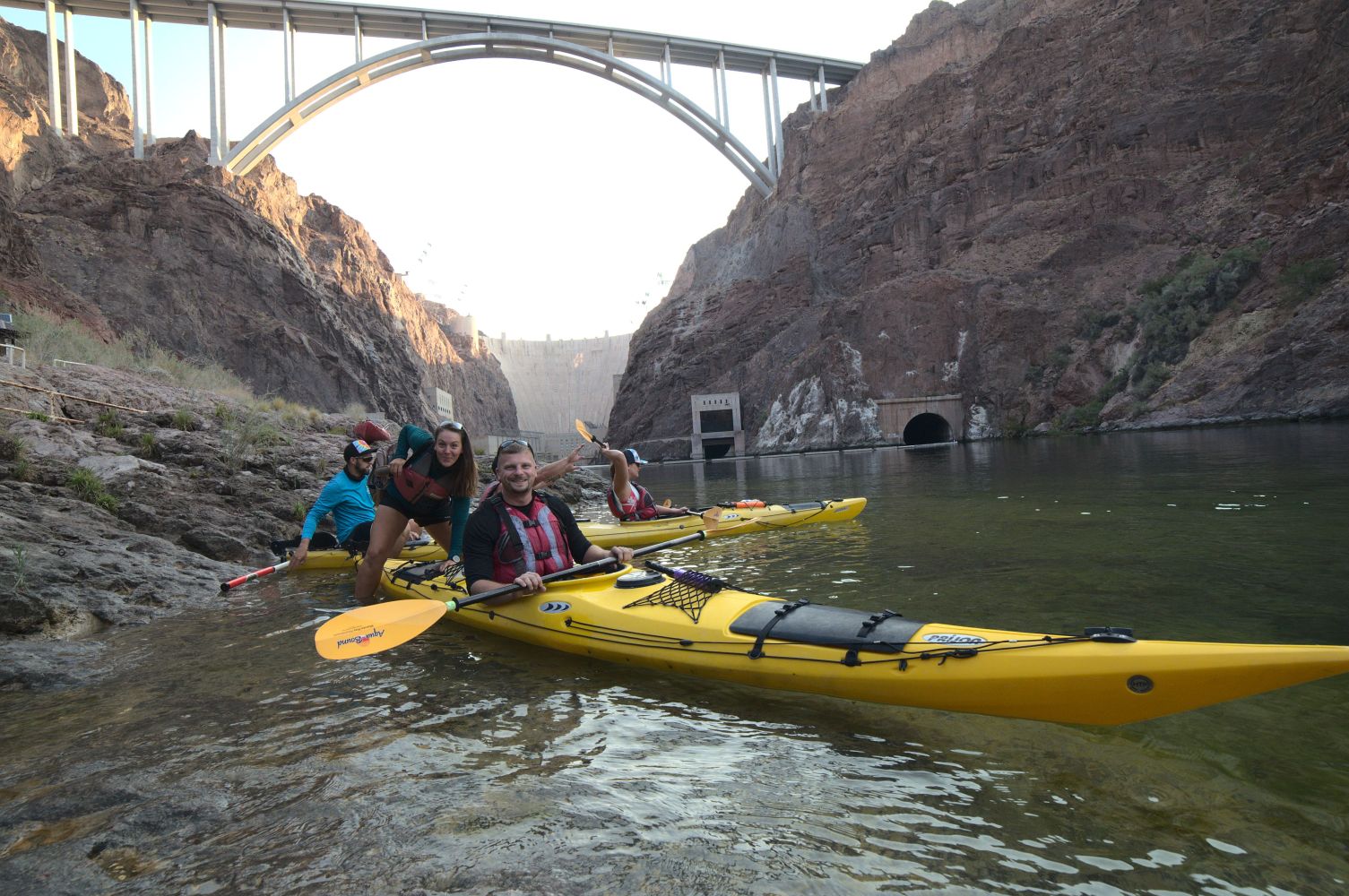
Evolution Expeditions places beginner comfort at the center of every tour. Instruction begins before you enter the water, with clear demonstrations of posture, paddle grip, and basic strokes.
Each guest receives personal attention, and questions are always welcome. High-quality equipment also makes a noticeable difference, including stable touring kayaks, comfortable life jackets, and calm, scenic routes. Teaching stays supportive, never technical or overwhelming, allowing confidence to grow steadily throughout the tour.
Why Guided Kayaking Feels Easier Than Expected
Guided kayaking removes much of the mental stress beginners worry about. You don’t have to think about navigation, safety decisions, or route planning.
Instead, you can focus on paddling and enjoying the moment. Seeing others succeed adds reassurance, and the group’s positive energy creates an encouraging atmosphere.
Kayaking for Different Age Groups
Kayaking works well for a wide range of ages. Children paddle with guidance and supervision, while adults set their own pace. Older participants often enjoy the low-impact movement.
Frequent breaks allow flexibility, and the activity adapts easily to different comfort levels and abilities.
How Weather Affects Difficulty
Good weather makes kayaking even more enjoyable. Tours are scheduled during calm conditions, and extreme weather is avoided altogether.
Conditions are monitored continuously to keep the experience predictable, safe, and comfortable for everyone.
Is Kayaking Hard Compared to Other Activities?
Compared to many outdoor activities, kayaking is gentle on the body. It has less impact than hiking, less strain than climbing, and smoother movement than cycling.
The water supports your body, and balance requirements are forgiving. You still get a sense of adventure, without excessive effort.
Building Skills After Your First Tour
Kayaking skills improve quickly with repetition. Each outing feels easier than the last, which is why many beginners return sooner than expected.
Kayaking offers lasting enjoyment because it allows people to explore nature in a relaxing way. For many, it becomes a favorite way to enjoy the outdoors.
Conclusion
Kayaking is a beginner-friendly sport. Everyone from kids, older adults, and even people with injuries can enjoy it. The best way to learn it is to book a guided kayaking tour. In Las Vegas, Evolution Expedition provides thrilling adventures in the heart of the Colorado River. Trust us, once you try it, the sport will leave you wanting for more!
FAQs
- Is it hard to fall out of a kayak?
No, it isn’t hard to fall out of the vessel. However, falling out is rare in stable kayaks. Unless you have a very poor posture, you won’t fall out.
- Do kayaks flip over easily?
Not at all. At Evolution Expeditions, we provide sit-on-top kayaks. They are built to be extremely stable. So, you cannot flip over on these vessels.
- Is kayaking an intense activity
It depends on your level. On flat water, paddling serves as a low-impact workout. However, in open ocean or whitewater, it can turn into an intense whole body cardio challenge.
- Can you go kayaking with no experience?
Yes, you can kayak with zero experience. It’s perfect for beginners especially in gentle, calm waters. However, it is recommended that you do it under a guide’s supervision.
- Is kayaking hard the first time?
No, kayaking isn’t challenging for the first time. It’s an easy-to-learn sport. Modern kayaks are quite stable. This makes it easier for first-timers to paddle with ease.