
A Spring Guide: The Best Places to see the Desert Wildflowers in Bloom
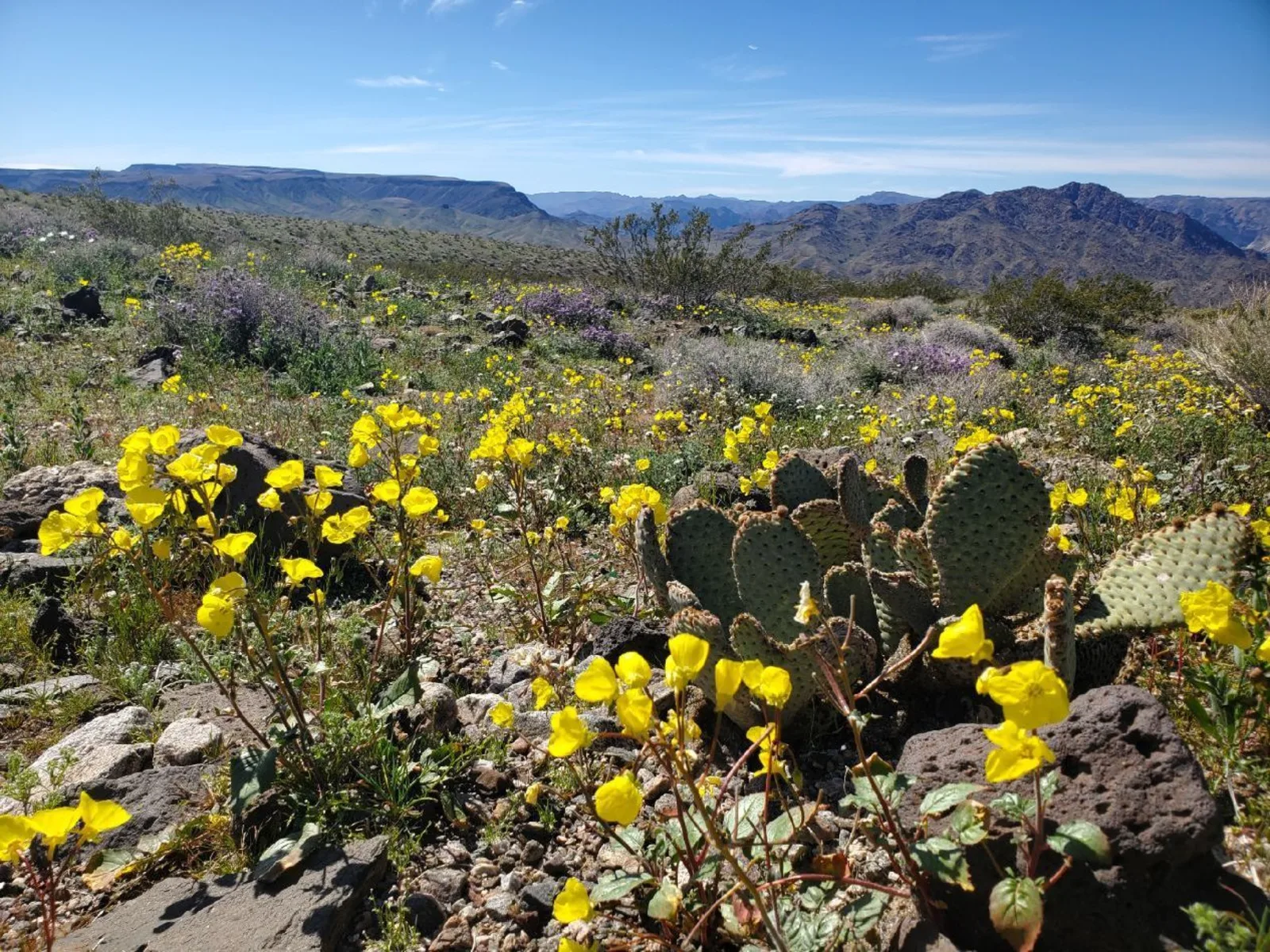
Desert wildflowers near Las Vegas generally appear from late February into early May. The exact show changes with winter rain, spring temperatures, and elevation, but a good season can turn the Mojave into a vivid mix of yellow, orange, pink, and purple.
A little timing goes a long way. Use this guide to choose a nearby drive or build a longer Southwest flower-chasing trip, then check the latest park report before setting out.
At a Glance: Desert Wildflower Destinations
Valley of Fire State Park
Drive: About 1 hour
Best window: Late February–early April
Look for: Desert marigold, indigo bush, sand verbena, paintbrush
Lake Mead & Northshore Road
Drive: Under 1 hour
Best window: Late February–April
Look for: Las Vegas bearpoppy, brittlebush, globemallow
Red Rock Canyon
Drive: About 30 minutes
Best window: March–April
Look for: Paintbrush, lupine, primrose, desert marigold
Black Canyon
Drive: About 1 hour
Best window: March–April
Look for: Marigold, brittlebush, globemallow, cactus blooms
Ash Meadows National Wildlife Refuge
Drive: 1 hour 34 minutes
Best window: March–April
Look for: Desert dandelion, evening primrose, blazingstar
Joshua Tree National Park
Drive: About 3.5 hours
Best window: March–April
Look for: Desert dandelion, lupine, chia, poppies
Death Valley National Park
Drive: About 2.5 hours
Best window: February–April
Look for: Desert gold, sand verbena, primrose, phacelia
Anza-Borrego Desert State Park
Drive: About 5.5–7 hours
Best window: Late February–March
Look for: Sand verbena, desert sunflower, evening primrose
Saguaro National Park
Drive: About 6 hours
Best window: March–April
Look for: Mexican gold poppy, lupine, owl’s clover
Picacho Peak State Park
Drive: About 6 hours
Best window: February–March
Look for: Mexican gold poppy, lupine, brittlebush
Chihuahuan Desert / Big Bend
Drive: About 15–18 hours
Best window: March–May
Look for: Bluebonnets, Mexican poppies, verbena, primrose
Valley of Fire State Park
An hour northeast of Las Vegas, Valley of Fire pairs spring color with its unmistakable red sandstone. Lower elevations usually flower first, with the main bloom running from late February through early April. Desert marigolds, purple indigo bush, sand verbena, paintbrush, and cactus flowers make a striking contrast against the rocks.
Valley of Fire Highway, Atlatl Rock, and Mouse's Tank are easy places to begin. Visit in the morning or late afternoon for softer light, and remember that the park charges an entrance fee.
Lake Mead and Northshore Road
Lake Mead National Recreation Area is within an hour of town and especially rewarding after winter rain. Northshore Road is a classic roadside option; near mile marker 18, keep an eye out for the rare Las Vegas bearpoppy alongside creosote, brittlebush, desert marigold, and globemallow.
The view changes again on the water. A Black Canyon kayak trip offers a peaceful look at flowering slopes, quiet beaches, and dark volcanic walls that the road cannot provide.
Red Rock Canyon National Conservation Area
Just 30 minutes from Las Vegas, Red Rock Canyon is the shortest drive on this list and home to more than 600 plant species, including 15 found nowhere else. Its spring season often stretches from early March into late May, with many displays strongest in April.
The 13-mile Scenic Loop gives you accessible views; Calico Basin, Pine Creek, and First Creek invite a closer look. Watch for desert paintbrush, fiddleneck, filaree, wild rhubarb, Mojave aster, monkey flowers, primrose, indigo bush, and desert trumpet.
Black Canyon, Nevada
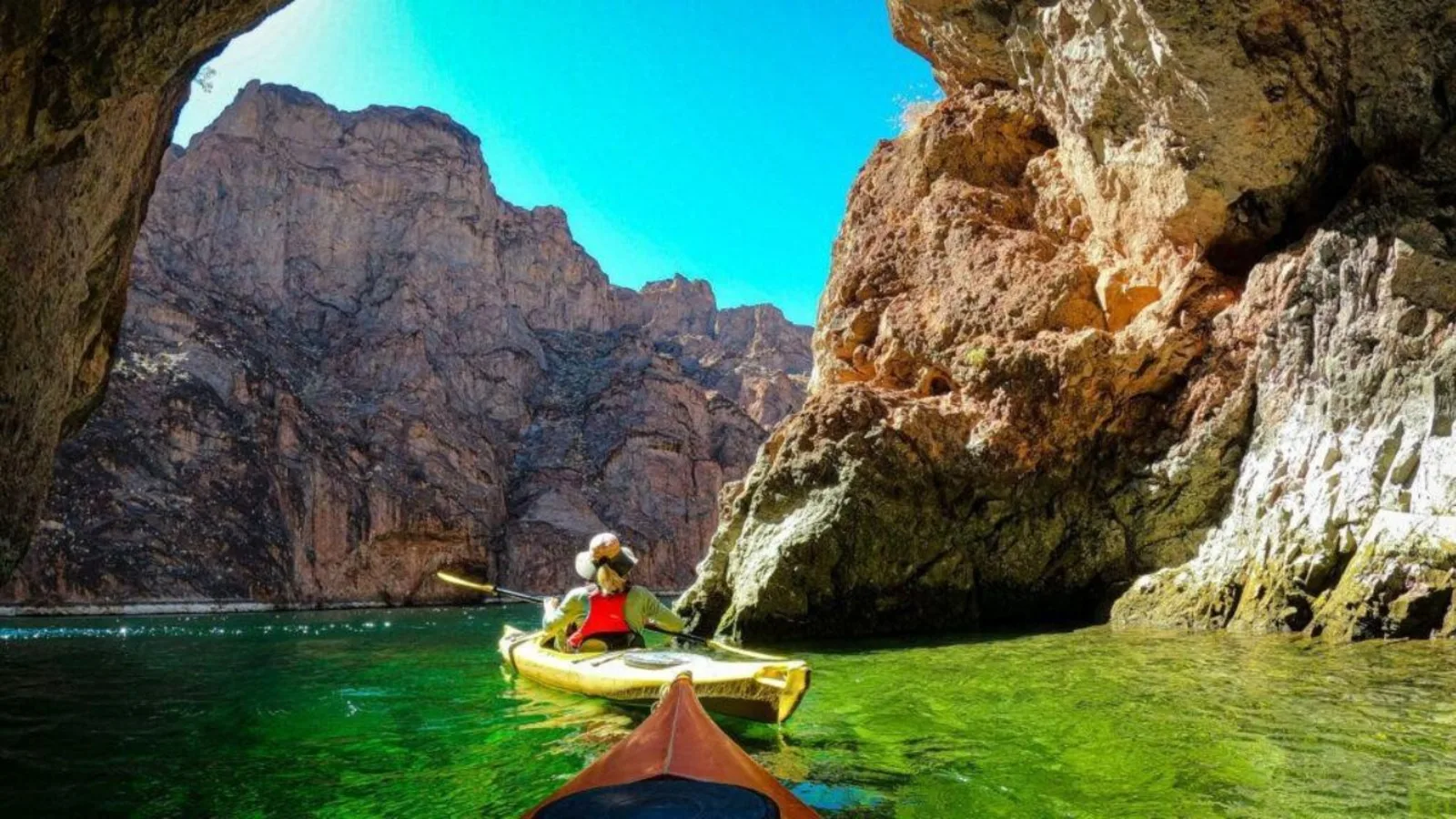
About 45 to 60 minutes from Las Vegas, Black Canyon offers a different kind of flower outing: see the desert from the Colorado River. In spring, the canyon corridor can bring yellow evening primrose, purple lupine, and red Indian paintbrush to slopes, walls, and riverbanks.
Join an all-day guided paddle from Hoover Dam for calm water, canyon scenery, geothermal pools, and seasonal color in one outing. Guides add context on Black Canyon and the dam along the way.
Death Valley National Park
Death Valley is roughly two and a half hours away and can be spectacular in a wet year, though the bloom is brief and heat or wind can end it quickly. Start in the lower sections of the park, where desert gold, brown-eyed primrose, sand verbena, and five-spot may appear near Ashford Mill and along Badwater Road.
Highway 190 between Stovepipe Wells and Furnace Creek can add gravel ghost, phacelia, and Mojave desert star to the list. February through April is the usual target, and checking current conditions is essential.
Joshua Tree National Park
A three-and-a-half-hour drive makes Joshua Tree a popular spring weekend escape. Winter rain starts flowers in lower, warmer areas; the South and Cottonwood entrances are good early-season choices, while the town of Joshua Tree and West Entrance can improve as spring progresses.
March and early April are often strongest for desert dandelion, lupine, chia, poppies, desert gold, brittlebush, and paintbrush. Later, annuals give way to cactus blooms, extending the park's appeal.
Worth the Drive
For quieter details rather than huge carpets, Ash Meadows National Wildlife Refuge rewards a one-hour-and-34-minute trip with desert oasis springs, boardwalks, and distinctive local blooms such as blazingstar and milkvetch. Farther west, Anza-Borrego can peak around mid-March with sand verbena, desert sunflower, and dune evening primrose along Henderson Canyon and DiGiorgio roads.
Arizona's Saguaro National Park and Picacho Peak offer Sonoran color on longer drives: Mexican gold poppies, lupine, owl's clover, brittlebush, and then cactus flowers later in spring. For a full road trip, the Chihuahuan Desert around Big Bend has a longer March-to-May window for bluebonnets, Mexican poppies, prairie verbena, evening primrose, and Spanish dagger.
Current Bloom Status and Trail Etiquette
No two wildflower seasons follow the same schedule. Rainfall and warm spells can change both the peak and its duration, so consult the park or refuge's current bloom update before you go. Stay on designated trails, carry more water than you expect to need, dress for changing desert temperatures, and leave every bloom in place for the next visitor.
When you are ready to see the Colorado River landscape from a new angle, explore all of our guided kayak tours.
Recent Posts
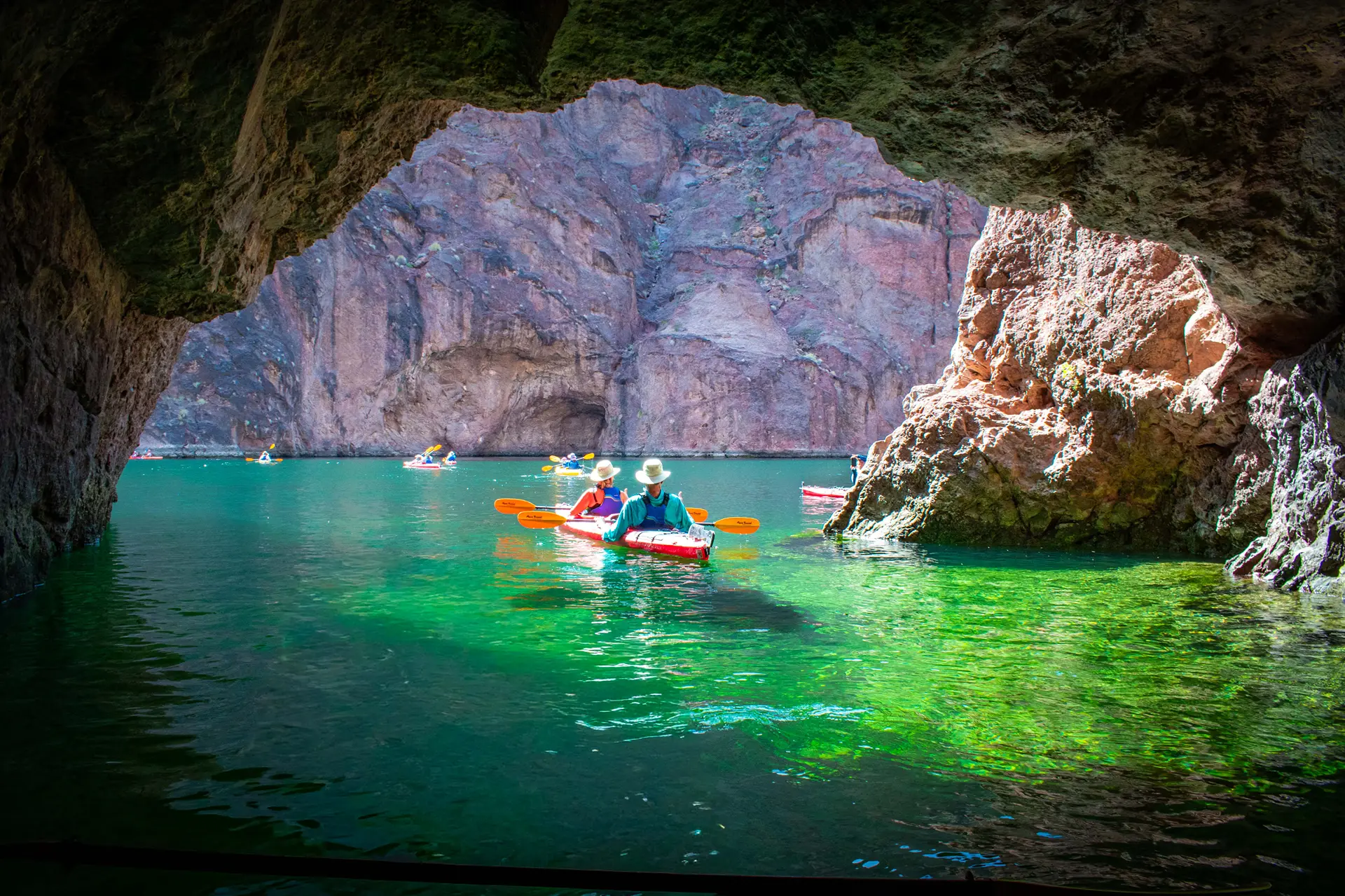
Halloween Weekend in Las Vegas: A River Adventure Beyond the Strip
Halloween weekend in Las Vegas: kayak Emerald Cave on a three-hour guided tour through Black Canyon, about one hour from the Strip.
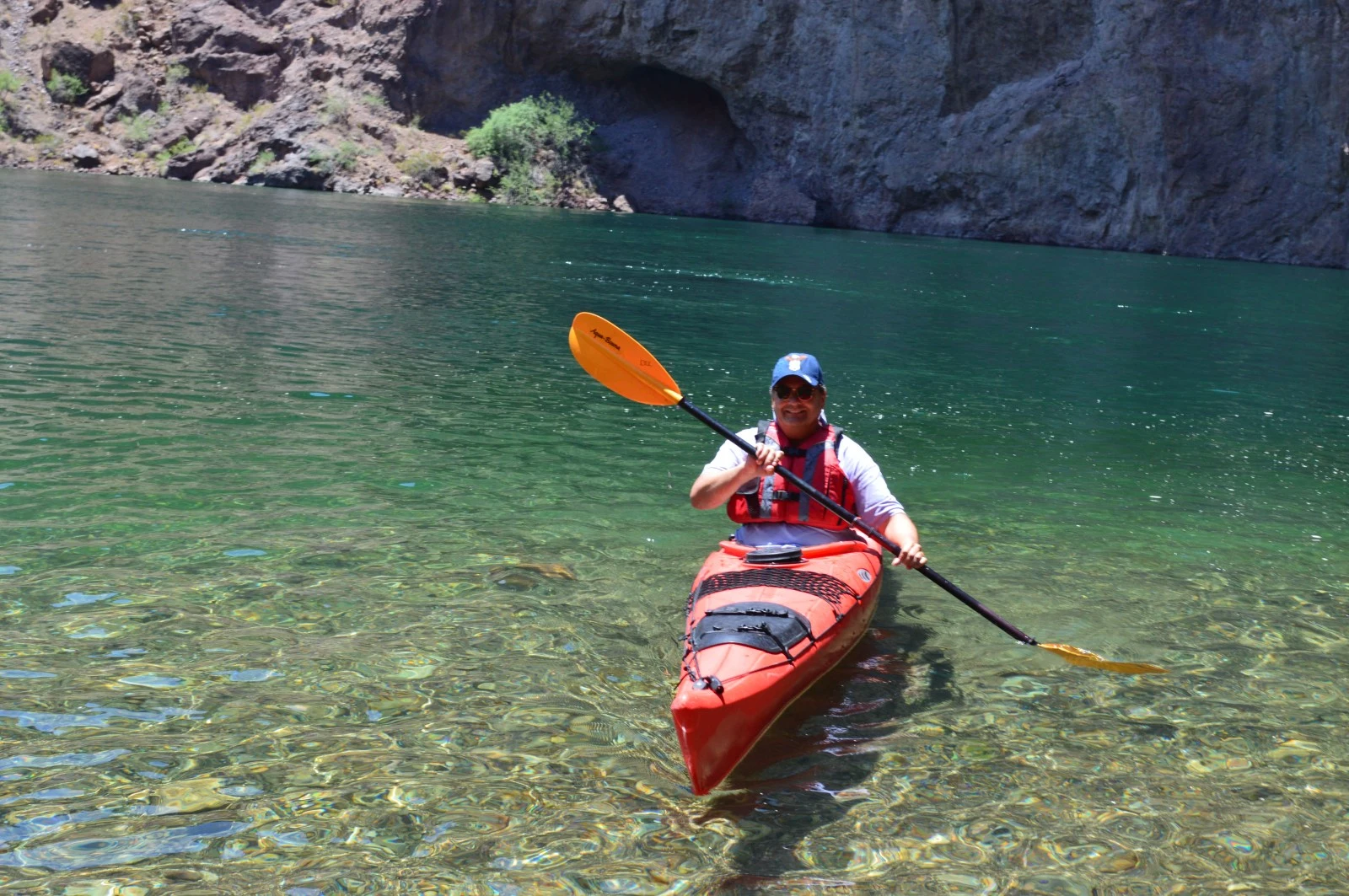
How To Paddle A Kayak Properly For Beginners: A Guide for First-Time Paddlers
Learning how to paddle a kayak is not difficult, but the right technique makes your time on the water easier, safer, and more enjoyable.
How Far Is Hoover Dam from the Grand Canyon? Travel Guide
Learn how far Hoover Dam is from Grand Canyon West, the South Rim, and the North Rim, with drive times and road trip planning tips.
See Spring from the River
Paddle through Black Canyon with an experienced guide and take in the Colorado River's canyon walls, calm water, and seasonal desert color.