8 Fun Hot Springs Activities You Can’t Miss in 2026
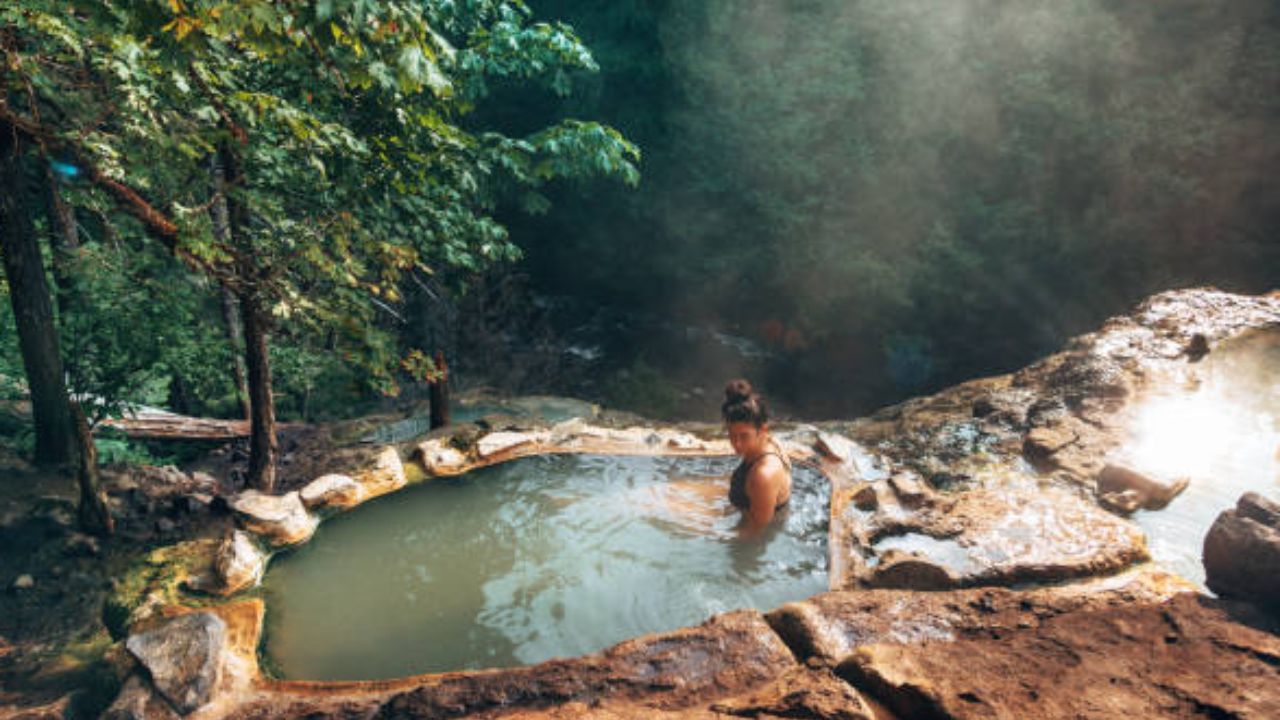
Hot springs are more than just warm water.They are places for rest, adventure, and connection. They slow your pace and reset your mind. These places bring people together in natural spaces.
If you are searching for what to do in hot springs, this guide helps. These ideas work for couples, families, and solo travelers. Let’s explore eight experiences you should not miss in 2026.
1. Sunrise Soaking for Deep Calm
Early mornings create a special kind of peace. Steam rises gently from the water and the light feels soft and quiet. Bird sounds replace phone alerts.
This is one of the purest hot spring experiences. It feels peaceful and grounding. Your body relaxes faster in cooler air and your mind feels lighter with fewer distractions.
Why it works so well:
- Fewer people around the pools
- Cooler air improves comfort
- Strong mental clarity
- Better sleep later that night
This is perfect for anyone seeking calm energy. It also works great for first-time visitors.
2. Cold Water Plunge and Heat Contrast
Hot soaking relaxes muscles, but cold water changes how the body responds. Contrast therapy works through controlled temperature shifts that affect blood flow and nerves. Hot water causes vasodilation, which means blood vessels widen and circulation increases. Cold water causes vasoconstriction, which means blood vessels tighten and redirect blood inward. This natural pumping action improves circulation and recovery.
The nervous system also responds to temperature contrast. Cold exposure triggers norepinephrine, which boosts focus and alertness. Heat exposure releases endorphins, which support relaxation and pain relief. Together, these reactions create both calm and energy in the body.
This process explains why contrast soaking feels intense but deeply refreshing. Breathing slows down. Mental clarity improves. The body feels reset instead of tired.
Recommended temperature ranges
| Water Type | Ideal Temperature Range |
| Hot soak | 101°F–104°F |
| Cold plunge | 50°F–60°F |
These ranges are commonly used in professional contrast therapy settings.
A real contrast protocol used at hot springs
This method is often called the Pagosa-style contrast cycle and follows a structured pattern.
Contrast routine:
- Soak in hot water for eight to ten minutes
- Enter cold water for thirty to sixty seconds
- Rest for two minutes in neutral temperature
- Repeat the cycle two or three times
Benefits people often experience
- Faster muscle recovery after long activity days
- Stronger circulation through natural vascular response
- Better mental focus and alertness
- Natural energy without caffeine or stimulants
- Deeper relaxation after each cycle
Important safety note
Contrast therapy is powerful, but it is not for everyone. People with heart conditions or high blood pressure should avoid heat and cold cycling. Anyone with medical concerns should speak with a doctor before trying contrast therapy.
3. Soak in Natural Outdoor Pools (Not Just Resorts)
Natural soaking sits at the center of every real hot spring journey. These pools feel different from anything commercial or built by design. Nature shapes them through rock layers, minerals, heat, and time. The result feels raw, alive, and deeply grounding.
There are two main types of natural soaking experiences. Each offers a very different kind of connection.
Wild and dispersed hot springs
These pools exist on public land, often managed by the Bureau of Land Management.
What defines them:
- Free access with no entry fees
- No staff or on-site management
- No bathrooms, changing rooms, or shade structures
- Completely natural pool formations
- Often located on BLM or forest service land
These pools feel untamed and peaceful. Silence becomes part of the experience. The landscape shapes the mood as much as the water itself.
Developed natural hot springs
These pools still use geothermal water but include basic infrastructure.
What defines them:
- Entry fees for maintenance and access
- Managed pools with temperature control
- Maintained walkways and safety access
- Clean facilities and structured soaking areas
This option offers comfort while still using natural geothermal sources.
Where people find natural pools
You often discover natural soaking in wild landscapes like:
- Canyon walls shaped by stone and water
- Forest clearings surrounded by tall trees
- Mountain valleys with open horizons
- Desert flats under wide skies
- Riverbanks beside flowing cold streams
Famous natural soaking locations people travel for
Many travelers plan trips around well-known outdoor pools like:
- Travertine Hot Springs in California
- Pagosa Hot Springs in Colorado
- Boiling River near Yellowstone
- Gold Bug Hot Springs in Idaho
- Strawberry Park Hot Springs in Colorado
- Kirkham Hot Springs in Idaho
Each location feels different in temperature, setting, and atmosphere.
4. Nature Walks Between Soaks
Hot springs often sit in beautiful landscapes. Forests, canyons, rivers, and desert trails surround them. Walking between soaks feels natural and refreshing.
Your muscles stay warm and loose, and your joints feel flexible and relaxed. The activity makes you feel more awake.
Easy walk ideas:
- Short riverside trails
- Canyon paths
- Desert rock routes
- Forest boardwalks
This adds movement without stress. It balances rest and activity perfectly. If you want more than soaking, this works well. It keeps your day feeling full but relaxed.
5. Photography and Memory Making
Hot springs create natural scenes that feel cinematic and calm. Steam, stone, water, and sky shape every frame naturally. Light shifts constantly and changes the mood throughout the day.
Photography here does not require expensive equipment. A simple phone camera can capture powerful memories. Awareness of light and timing matters more than gear.
Best lighting windows for hot springs
Golden hour creates warm tones and glowing steam. Steam becomes backlit and soft. Water reflections feel gentle and warm.
Blue hour creates calm mirror reflections. Cool light reflects cleanly on still pools. Steam looks soft and layered.
These two windows create the most dramatic natural visuals.
Camera tips for steam and mist
- Use faster shutter speeds to freeze moving steam
- Choose wider apertures for soft background blur
- Focus on edges of rocks or pool rims
- Avoid direct sun glare on water surfaces
Phone photography tips
- Use portrait mode to soften steam diffusion
- Try night mode during blue hour reflections
- Tap focus manually on water surfaces
- Lower exposure slightly to protect highlights
Moments worth capturing
- Steam rising during sunrise light
- Reflections on still geothermal pools
- Mineral patterns on rock surfaces
- Quiet soaking moments with friends
6. Wellness Rituals and Self-Care
Hot springs support wellness in ways that feel natural and lasting. Warm mineral water relaxes muscles and improves blood flow through gentle heat. The minerals in geothermal water also support skin and joint health.
Many hot springs contain helpful natural minerals.
| Mineral | Known Benefit |
| Magnesium | Supports muscle relaxation and soreness relief |
| Silica | Helps skin hydration and softness |
| Sulfur | Supports joint comfort and inflammation reduction |
These minerals absorb through the skin during soaking and support recovery over time.
A simple wellness routine makes the experience more meaningful. Nothing needs to feel complicated or forced.
Soak-to-stretch flow
- Soak in warm water for fifteen minutes
- Step out and stretch gently for five minutes
- Focus on shoulders, hips, and lower back
- Return to the pool for another ten minutes
Hot spring soaking also supports mental health. Warm water immersion helps calm the nervous system. Research on mindfulness and heat exposure shows reduced cortisol levels, which supports stress relief and emotional balance. Slow breathing in warm water also improves nervous system regulation.
Simple mental wellness habits
- Breathe slowly through the nose
- Keep your phone away from the pool
- Focus on natural sounds and movement
- Sit quietly without constant talking
7. Hot Spring Hopping in One Day
Hot spring hopping creates variety and excitement in one experience. You move between multiple springs in a single day. Each pool feels different in temperature and setting. Each location offers a unique natural atmosphere.
This activity keeps the day dynamic and engaging. It prevents the experience from feeling repetitive and adds exploration to relaxation.
Why hot spring hopping feels special
- Different water temperatures create variety
- Changing landscapes keep the experience fresh
- Natural scenery shifts with every location
- Energy levels stay balanced throughout the day
How to enjoy it properly
- Start with warmer pools first
- Drink water between every soak
- Walk slowly between locations
- Take breaks for rest and shade
8. Adventure-Based Hot Spring Experiences
Some hot springs require real effort to reach safely. That effort changes how the experience feels emotionally and physically. Movement before soaking creates a deeper sense of reward. Scientists call this reward-based relaxation, where effort increases perceived recovery.
Four main adventure formats
Hike-in access
Hike-in springs usually involve one to five mile trails. Terrain may include elevation gain and uneven surfaces. This format feels approachable for active beginners.
Kayak or paddle-in access
Paddle routes often range from several miles to full-day trips. Water conditions, wind, and currents add challenge. This format blends endurance with exploration.
Horseback access
Horseback routes reach remote springs without long hiking distances. Riders still need balance, stamina, and outdoor readiness. This format feels immersive and traditional.
Backcountry or multi-day backpacking access
Backcountry springs require overnight planning and navigation skills. Distances often exceed ten miles round trip. This format suits experienced outdoor travelers.
Why the “earned soak” feels different
Physical effort activates the nervous system before rest begins. Endorphins increase pain tolerance and emotional resilience. Dopamine reinforces reward and satisfaction feelings. Warm soaking then shifts the body into parasympathetic recovery mode.
This sequence creates deeper relaxation than passive soaking alone. The mind feels calm. The body feels grounded. The experience feels meaningful, not rushed.
Difficulty guide for adventure soaking
| Level | Experience Type | Physical Demand |
| Beginner | Short hikes and calm paddle routes | Low to moderate |
| Intermediate | Longer hikes and multi-mile paddling | Moderate |
| Advanced | Backcountry and multi-day access routes | High |
Quick Activity Comparison Table
| Activity Type | Energy Level | Best For |
| Sunrise soaking | Low | Calm seekers and first-time visitors |
| Cold water plunge and heat contrast | Medium | Wellness-focused travelers |
| Natural outdoor pool soaking | Low | Nature lovers and slow travelers |
| Nature walks between soaks | Medium | Active but relaxed explorers |
| Photography and memory making | Low | Couples, families, and solo travelers |
| Wellness rituals and self-care | Low | Stress relief and mental reset |
| Hot spring hopping in one day | Medium | Curious explorers and variety seekers |
| Adventure-based hot spring experiences | High | Active travelers and outdoor adventurers |
A Real Adventure Experience: Kayak Hoover Dam & Hot Springs Hike
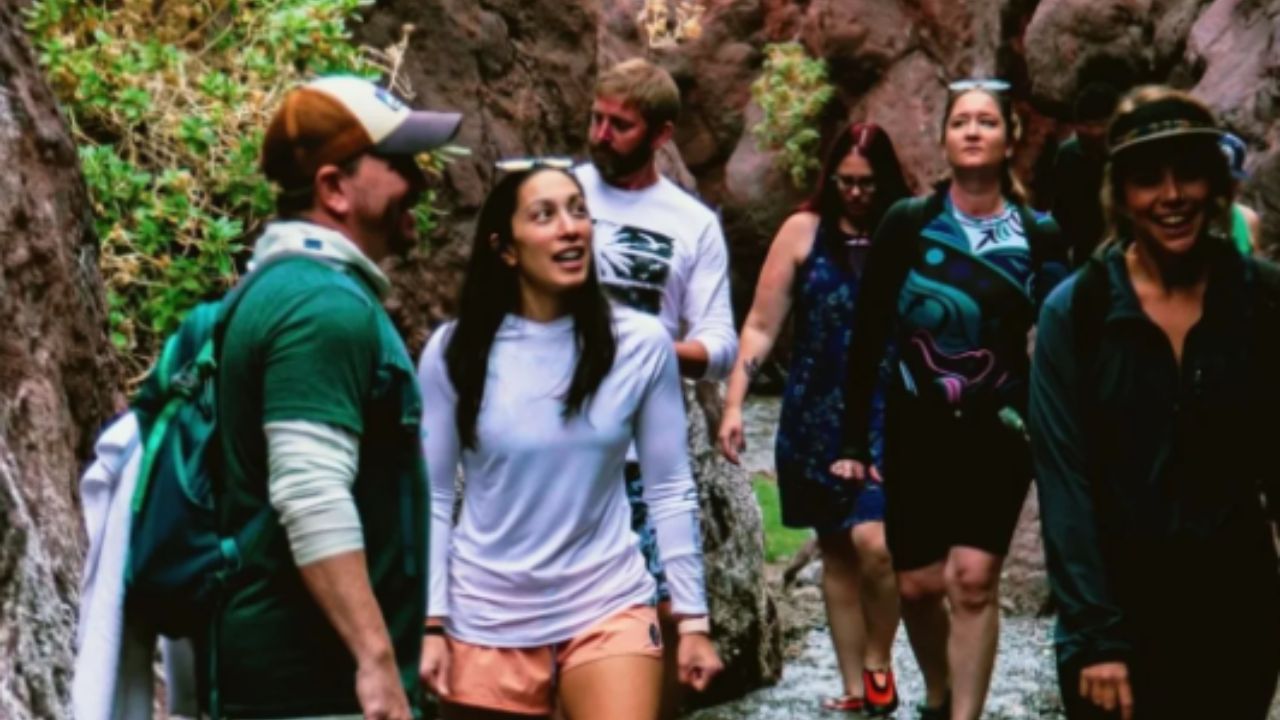
Some experiences bring everything together naturally. Water, movement, history, and hot springs meet in one journey. This tour offers exactly that balance.
The Kayak Hoover Dam & Hot Springs Hike blends adventure and soaking. It starts with kayaking from the base of Hoover Dam. The route flows through Black Canyon and the journey follows the Colorado River.
This experience feels immersive and meaningful. It never feels rushed or artificial. Every part connects naturally to the environment.
What makes this experience special
This journey lasts seven hours. Guests meet at 18000 US-93 in Boulder City. Participants must complete a twelve-mile active paddle. This requires basic physical fitness.
The route follows historic canyon walls. The descent begins on the original construction road. This road was carved during the 1930s project era.
Guests paddle through canyon corridors and spot exotic wildlife. Visitors may see bighorn sheep and falcons. Bald eagles and migratory birds make seasonal appearances.
The hot spring experience
Hidden geothermal pools rest quietly inside narrow desert side canyons. Steam rises gently from natural sauna caves along the canyon walls. Warm mineral water flows smoothly through ancient rock formations. The space feels calm, open, and deeply peaceful.
Guests can soak without noise, pressure, or busy crowds. Natural sounds replace music, traffic, and constant distractions. Cold river swims create a refreshing contrast against the warm water. Heat from the pools restores energy after every cold plunge. This rhythm creates a natural heat cycle that feels balanced and deeply grounding.
Guided and supported experience
Professional guides lead every group.They share history and canyon knowledge. Guests learn about the construction story of the Hoover Dam construction. Guides also explain the Bypass Bridge development.
Safety remains a constant priority. Navigation support stays present throughout the trip. Group pacing is comfortable and steady.
Final Thoughts
Hot springs offer connection, wellness, and adventure. They slow your pace and reset your focus.Today, people want experiences that feel real. They want nature, not noise and memories, not crowds. These eight activities reflect that shift. They focus on balance and simplicity.
Whether you choose quiet soaking or active journeys, the experience matters. Hot springs should feel personal and peaceful. They should leave you lighter, calmer, and clearer.