
Top 7 Must-Visit Hot Springs in the United States (2026)
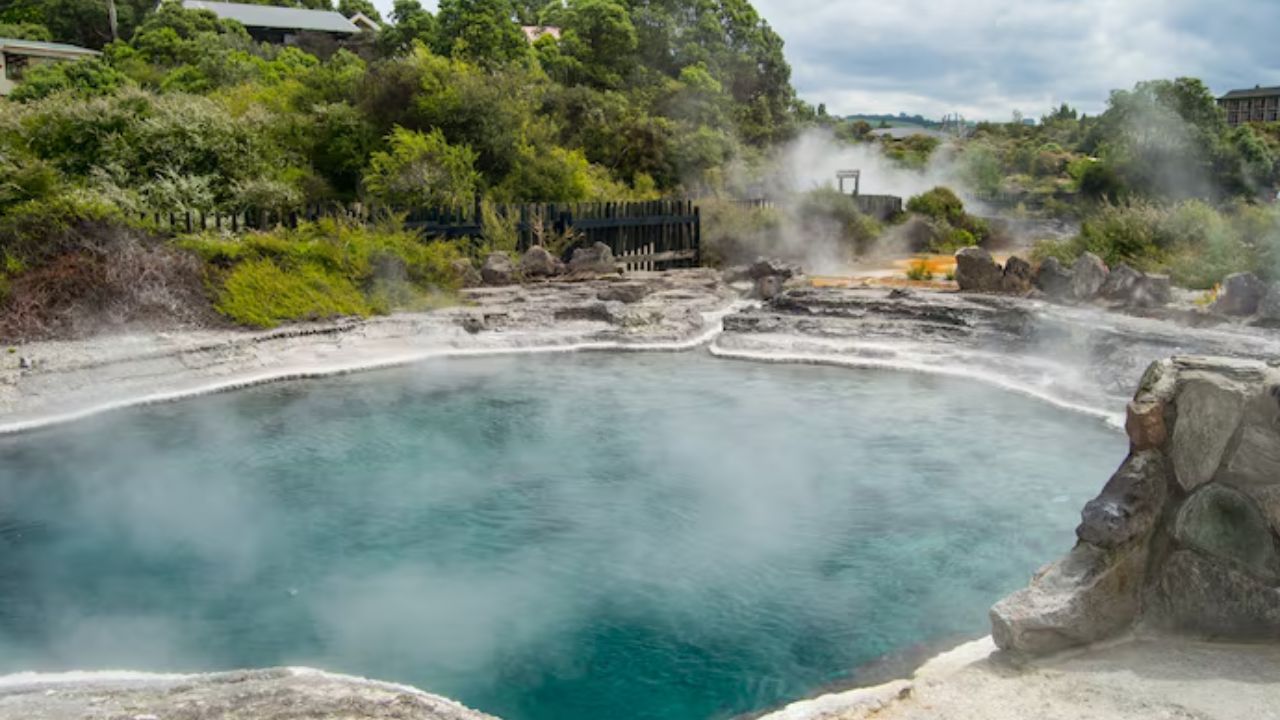
Hot springs are one of nature’s simplest gifts. Warm water. Quiet places. Slow moments. Deep calm.
Across the country, natural geothermal pools rise from the earth. Some sit in wild canyons, some in mountain valleys, and some near rivers and forests. Each one feels different. But they all offer the same thing;rest, reset, and connection.
This guide is for people who love nature and for travelers who value real experiences. Let’s explore the Top 7 must-visit hot springs in the United States for 2026.
Quick View Table
| Hot Spring | State | Type | Best For |
| Yellowstone Hot Springs | WY | Natural geothermal pools | Scenic soaking |
| Glenwood Hot Springs | CO | Mineral pools | Easy access |
| Chena Hot Springs | AK | Natural hot springs | Northern lights |
| Travertine Hot Springs | CA | Wild pools | Desert views |
| Pagosa Hot Springs | CO | Geothermal pools | Relaxation |
| Ojo Caliente | NM | Mineral springs | Wellness |
| Hot Springs National Park | AR | Historic thermal baths | Culture + history |
1. Yellowstone Hot Springs: Wyoming
Near Yellowstone National Park
Yellowstone sits on one of the largest geothermal systems on Earth. You can feel it in the air. The ground breathes heat. Steam rises from the earth. It feels raw, powerful, and alive.
Most thermal features inside the park are protected and not open for soaking. But just outside the park, you’ll find safe, legal, and developed hot spring pools that use natural geothermal water.
Here are the best nearby soaking spots:
Boiling River
This is a natural soaking area where a hot spring meets the cold Gardiner River. People mix hot and cold water to find the perfect temperature.
- Water temps: usually 100–105°F (38–41°C) depending on river flow
- Cost: Free
- Location: about 10 minutes from Yellowstone’s North Entrance
- Best time to go: early morning or sunset for fewer crowds
- Seasonal access: sometimes closed due to flooding or park conditions
Yellowstone Hot Springs (near Gardiner, MT)
This is a developed soaking resort using geothermal water.
- Water temps: 98°F to 104°F
- Entry price: about $15–$20 per adult
- Clean pools
- Changing rooms
- Family-friendly setting
- Open year-round
What to do before and after soaking
Before:
- Visit wildlife areas in Lamar Valley
- Walk the boardwalks at Mammoth Hot Springs
- Explore the North Entrance of Yellowstone
After:
- Grab dinner in Gardiner, Montana
- Watch sunset over the Yellowstone River
- Take a scenic drive through Paradise Valley
Why people love this area
- Crisp mountain air
- Wide open valleys
- Real geothermal heat
- Calm and peaceful energy
- Easy access to nature
2. Glenwood Hot Springs: Colorado
Glenwood Springs, CO
Glenwood Hot Springs Pool is one of the most famous geothermal destinations in the United States. It’s also one of the most searched. And once you visit, it’s easy to understand why.
This place runs on natural geothermal water that flows from deep underground. The mineral water is clean, clear, and naturally heated. The temperature stays steady. The soaking feels gentle on the body. It relaxes your muscles and calms your mind.
The main pool is massive. It’s not just big, it’s world-famous big!
Pool facts
- Length: 405 feet long
- Width: 100 feet wide
- Status: World’s largest mineral hot spring pool
- Water temperature:
- Large pool: about 90–93°F
- Therapy pool: about 104°F
Entry pricing (approximate and seasonal)
Prices change by season and time of day, but typical adult rates are:
| Type | Price Range |
| Day Pass (Adult) | $35–$45 |
| Evening Soak | $30–$35 |
| Kids | Lower than adult pricing |
They also offer multi-day passes and family packages.
Spa of the Rockies
Inside the complex is the Spa of the Rockies. This is the quiet side of Glenwood.
Here you’ll find:
- Smaller therapy pools
- Warmer water
- Private soaking areas
- Massage and spa services
- Calm adult-focused atmosphere
It’s perfect if you want peace instead of crowds.
Nearby alternative: Iron Mountain Hot Springs
Just a short walk away is Iron Mountain Hot Springs. This is a more modern soaking experience.
What makes it different:
- 16+ small soaking pools
- Different temperatures in each pool
- Adult-focused design
- Rooftop soaking pools
- Views of the Colorado River
It feels more private and quiet than the main Glenwood pool.
Crowd patterns to know
Busiest times:
- Summer months
- Weekends
- Holidays
- Midday hours
Best times to visit:
- Early mornings
- Weekday evenings
- Spring and fall seasons
- Late night soaking sessions
Winter is beautiful too, but weekends can be packed with ski travelers.
Why people love it
- Natural mineral-rich water
- Clean and well-maintained pools
- Stunning mountain views
- Easy access from I-70
- Options for both families and quiet soakers
3. Chena Hot Springs: Alaska
Near Fairbanks
Chena Hot Springs feels wild, quiet, and remote. Cold air moves through the trees. Warm geothermal water rises from the ground. Steam floats into the sky and the contrast is powerful and beautiful.
The hot springs sit about 60 miles from Fairbanks. The drive takes around 1.5 to 2 hours.
- In summer, the road is scenic and calm
- In winter, snow and ice make conditions slower and more challenging
- Winter tires and careful driving matter
Northern Lights soaking
This is one of the few places in the U.S. where you can soak in geothermal water while watching the Aurora Borealis. Aurora viewing season is from September through April
People soak in warm water while green and purple light moves across the sky. Steam rises and the air is cold. The water stays warm. It feels surreal and peaceful at the same time.
Soaking areas
There are two main soaking styles:
Natural rock lake
This is the most iconic soaking area.
- Outdoor rock-lined pool
- Natural geothermal water
- Steam rising into cold air
- Strong “wild” feeling
- Best for winter soaking and aurora viewing
Developed soaking pools
These pools are more structured.
- Controlled temperatures
- Clean and simple layout
- Easier access in cold weather
- Comfortable for long soaking sessions
Water temperature
The geothermal water stays warm year-round.
- Typical soaking range: about 100°F–106°F
- Temperature feels stronger in winter due to cold air contrast
Entry pricing (approximate)
| Type | Price |
| Day Pass (Adult) | $15–$20 |
Prices can vary slightly by season and demand.
Why people love it
- True wilderness setting
- Strong geothermal heat
- Extreme climate contrast
- Northern Lights soaking
- Quiet and remote feeling
- Real Arctic landscapes
4. Travertine Hot Springs: California
Near Bridgeport
This is one of the most natural hot spring experiences in the United States. No buildings, walls, resorts, and gates. Just rock, mineral water, open sky, and desert silence.
Travertine Hot Springs sits just outside Bridgeport, California, along Highway 395 in the Eastern Sierra. It’s about 3 hours north of Los Angeles and 1 hour south of Lake Tahoe. You park on the roadside and then walk about five minutes to reach the pools.
And the best part?
It’s completely free. No tickets, reservations, or permits. That makes it one of the most accessible wild hot springs in the US.
The pools
There are four natural travertine rock pools. Each one sits at a slightly different elevation and has a different temperature.
Temperature range:
- About 98°F to 104°F
So you can choose your soak based on comfort.
The views
This is what makes Travertine unforgettable. You get 360-degree open views of:
- Bridgeport Valley
- The Sierra Nevada mountains
- The Bodie Hills
- Wide desert plains
- Endless sky
Photographers love this place for a reason. Sunrise here feels unreal and sunset cinematic. Winter snow around steaming pools creates one of the most dramatic contrasts in US hot springs.
Practical details
| Detail | Info |
| Cost | Free |
| Reservations | Not required |
| Walk to pools | ~5 minutes |
| Facilities | None |
| Bathrooms | None |
| Changing rooms | None |
| Shade | None |
| Pets | Dogs allowed on leash |
| Land type | BLM land |
Important reminder
This is on Bureau of Land Management land. There is no staff, no maintenance crew and no cleaning service. So Leave No Trace matters here. Pack out everything, respect the pools, the land, and other visitors.
5. Pagosa Hot Springs: Colorado
Pagosa Springs, CO
Pagosa Springs sits above one of the deepest geothermal sources in North America. The main geothermal well reaches over 700 feet deep, pulling mineral-rich water straight from the earth.
The water is clean and naturally heated. It stays consistently warm all year.
This place feels calm, not commercial. It feels built for people who want to rest, not rush.
Main soaking area
The best-known soaking location is Pagosa Hot Springs, set right along the San Juan River. This riverfront setting changes the whole experience. You soak in warm geothermal pools and cold river water flows beside you. It feels peaceful and grounding.
Pool names and temperature ranges
The soaking areas are spread across several pools, each with different heat levels:
- Lobster Pot: ~110–114°F (hottest pool)
- Mother Spring: ~102–104°F
- Hippie Pool: ~99–101°F
- Warrior Pool: ~98–100°F
- San Juan Pools: cooler soaking options near the river
Riverfront soaking experience
The river location makes Pagosa different.
- Flowing cold water nearby
- Warm geothermal pools beside it
- Steam rising in cool air
- Natural contrast between hot and cold
- Quiet sounds of water instead of traffic
Entry pricing (approximate)
| Type | Typical Price Range |
| Day Soak (Adult) | $25–$35 |
| Evening Soak | Slightly lower |
| Multi-day passes | Available |
Prices vary by season and demand.
Why people love it
- Deep geothermal source
- Clean mineral-rich water
- Calm soaking environment
- Consistent water temperatures
- Riverfront setting
- Peaceful town energy
6. Ojo Caliente: New Mexico
Ojo Caliente Mineral Springs
Ojo Caliente is one of the oldest hot spring areas in the United States. The site has been in continuous use since 1868, making it one of the oldest operating health resorts in the country. Several historic buildings here are listed on the National Register of Historic Places.
It sits in a quiet desert valley, about:
- 1 hour north of Santa Fe
- 45 minutes from Taos
A rare mineral system
Ojo Caliente is one of the only hot spring systems on Earth with four distinct minerals in naturally sulfur-free geothermal water. These minerals are:
- Arsenic
- Lithia
- Soda
- Iron
Each mineral pool feels different on the body. Some feel calming, while some feel energizing. Some feel deeply relaxing. The water is gentle and does not have the strong sulfur smell found in many hot springs. This mineral diversity is what makes Ojo Caliente truly unique.
The soaking pools
There are nine individual pools, each with its own character and temperature. Temperatures range from about 80°F to 105°F.
- Iron Pool – rich in iron minerals, grounding and warm
- Soda Pool – soft feeling water, gentle heat
- Lithia Pool – calming and soothing
- Arsenic Pool – light mineral feel, warm and relaxing
- Cliffside Pools – open-air pools with desert views
- Big Pool – large communal soaking pool
- Terrace Pools – elevated pools with wide valley views
- Mud Pool – mineral mud soaking experience
Water temperature range
- Cool soaking pools: ~80–90°F
- Medium pools: ~95–100°F
- Hot pools: ~100–105°F
This makes it easy to rotate between pools and soak comfortably for longer sessions.
Day pass pricing
| Type | Price |
| Weekday Day Pass | $45 |
| Weekend Day Pass | $65 |
Prices are for soaking access only and vary by day.
Visitor rules to know
These rules protect the water and the experience:
- No oils or lotions in the pools
- Children under 13 are not permitted
- Quiet atmosphere encouraged
- Clean bathing before soaking is required
This keeps the pools clean and peaceful for everyone.
Why people love it
- Rare mineral diversity
- Naturally sulfur-free water
- Calm desert setting
- Deep cultural history
- Quiet atmosphere
- Wellness-focused energy
- Clean geothermal pools
7. Hot Springs National Park: Arkansas
Hot Springs National Park
This is the only national park in the United States built around natural hot springs. Thermal water flows straight from the earth. Steam rises from the ground. But there is one important thing many people don’t know:
You cannot soak outdoors inside the park. There are no natural outdoor soaking pools. No wild hot spring tubs and river soaking spots.Soaking only happens inside historic bathhouses.
Bathhouse Row
The heart of the park is Bathhouse Row. This is a row of preserved bathhouses built in the late 1800s and early 1900s. They sit along Central Avenue and look like something from another era. Stone buildings, arched windows, and old-world architecture. It feels historic, not rugged.
Where you can actually soak
Only two bathhouses offer soaking today:
Buckstaff Bathhouse
This is the most traditional experience.
- Opened in 1912
- Old-school bathing style
- Separate men’s and women’s areas
- No modern spa vibe
- Very structured experience
Pricing:
- About $38 for a 20-minute thermal bath session
Quapaw Baths & Spa
This is the more modern option.
- Private thermal baths
- Group soaking pools
- Mixed-gender pools available
- Updated facilities
- Softer spa-style experience
Pricing varies by pool type and session length.
Seeing the hot springs without soaking
If you want to experience the water without bathing, there are public features:
Display Spring
This shows the hot thermal water flowing naturally from the ground. You can see it and can feel the heat. But you cannot soak in it.
Hot Water Cascade
This is a public thermal water feature where water flows over stone steps. People come here to touch the water and take photos. It’s a visual experience, not a soaking one.
Why people love this place
- Real geothermal water
- Historic architecture
- Walkable streets
- Cultural atmosphere
- Easy urban access
- Educational experience
Best Time to Visit Each Hot Spring
| Hot Spring | Best Season | Why This Time Works Best |
| Yellowstone Hot Springs (WY/MT) | Late spring – early fall | Safer road access, warmer air, and open nearby soaking spots like Boiling River. Summer offers long days and clear weather. |
| Glenwood Hot Springs Pool (CO) | Spring & fall | Fewer crowds than summer, mild weather, and comfortable soaking temps. Winter evenings are also popular for snow-and-steam contrast. |
| Chena Hot Springs (AK) | Winter (Sept–April) | Peak Aurora Borealis season. Cold air + hot water + northern lights creates a once-in-a-lifetime soaking experience. |
| Hot Springs National Park (AR) | Fall & spring | Comfortable walking weather, lighter crowds, and easier access to bathhouses and Bathhouse Row. |
| Pagosa Hot Springs (CO) | Winter & fall | Winter offers snow-and-steam river soaking. Fall brings quiet streets, golden leaves, and peaceful river views. |
| Ojo Caliente Mineral Springs (NM) | Autumn weekday mornings | Fewer visitors, golden desert scenery, cooler air, and a calmer soaking atmosphere. |
Quick seasonal guide
Best hot springs in winter (US):
- Chena Hot Springs, Alaska
- Pagosa Hot Springs, Colorado
- Glenwood Hot Springs, Colorado (evenings)
Best hot springs in summer (US):
- Yellowstone-area hot springs
- Pagosa Springs
- Glenwood Springs (early mornings and weekdays)
Best hot springs for fall travel:
- Ojo Caliente, New Mexico
- Hot Springs National Park, Arkansas
- Pagosa Springs, Colorado
Best hot springs for spring travel:
- Glenwood Springs
- Hot Springs National Park
- Yellowstone region
A Unique Hot Springs Adventure in the Southwest
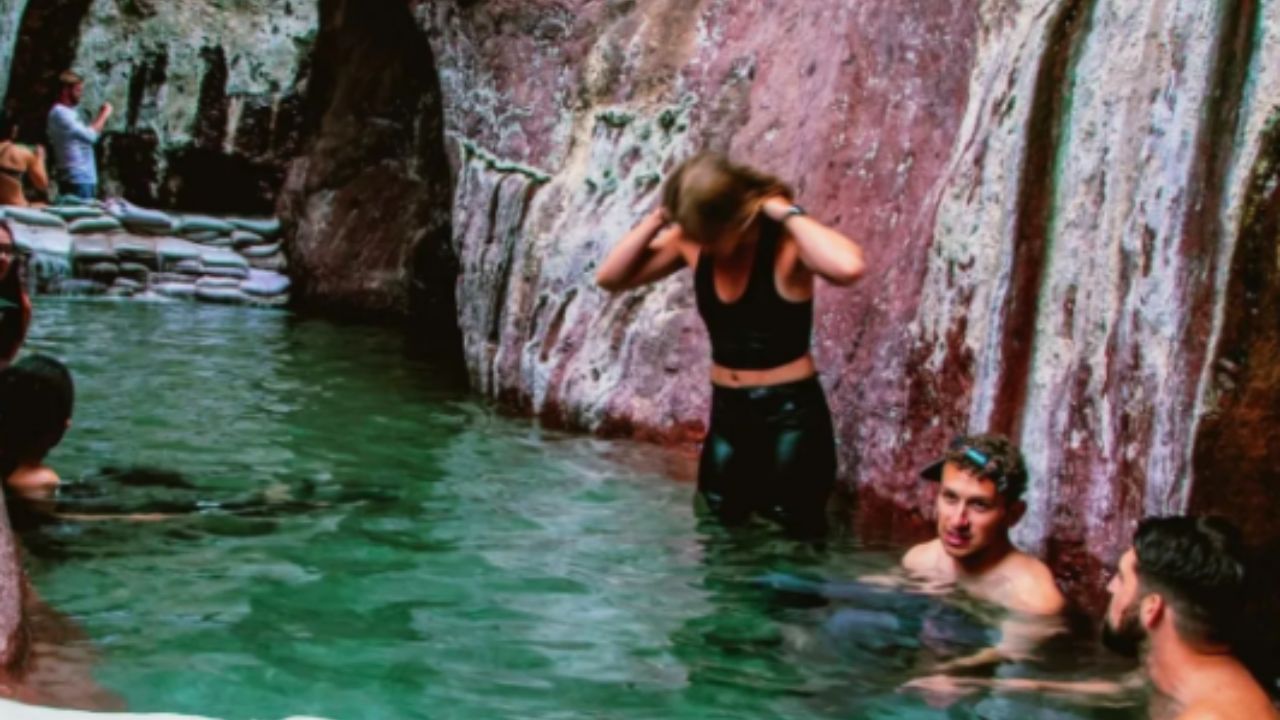
Some hot springs are reached by roads, some by trails, and some by rivers. One of the most unique ways to reach hot springs in the US is by kayak.
That’s exactly what happens on the Kayak Hoover Dam & Hot Springs Hike with Evolution Expeditions. This is not a resort soak or a parking-lot pool. This is true nature access.
The Experience
Guests begin at the base of Hoover Dam. They descend the historic road carved into the canyon walls in the 1930s. Then, they launch onto the Colorado River and paddle through Black Canyon.
Then the journey goes deeper. Hidden in side canyons are:
- Geothermal hot spring pools
- Natural sauna caves
- Steam vents
- Rock-formed soaking areas
Guests hike into the canyon, steam inside warm caves, and soak in natural pools. They cool off in the Colorado River.
All in one journey.
What Guests See
While paddling:
- Desert bighorn sheep
- Coyotes
- Falcons
- Bald eagles
- Migratory waterfowl
Along the canyon:
- 1921 water gauging sites
- Historic river infrastructure
- Black Canyon geology
- Hoover Dam history
- Bypass Bridge views
The hike blends river + canyon + history + hot springs + wildlife + geology into one experience.
Final Thought
The best hot springs in the US are not just about heat. They are about the place, story, land, water, stillness and connection. Some are quiet, while others are wild. Some are remote, while others are guided.
But they all offer something rare in modern life; stillness. And sometimes, the most powerful hot spring experiences are not reached by roads, but by rivers.
If you want your hot springs journey to feel like a true adventure, the Kayak Hoover Dam & Hot Springs Hike offers one of the most unique natural geothermal experiences in the country, where hot water meets canyon walls, and the river becomes the path. Simple, wild, and real.