
Kayaking for Beginners: 7 Easy Tips to Start Right
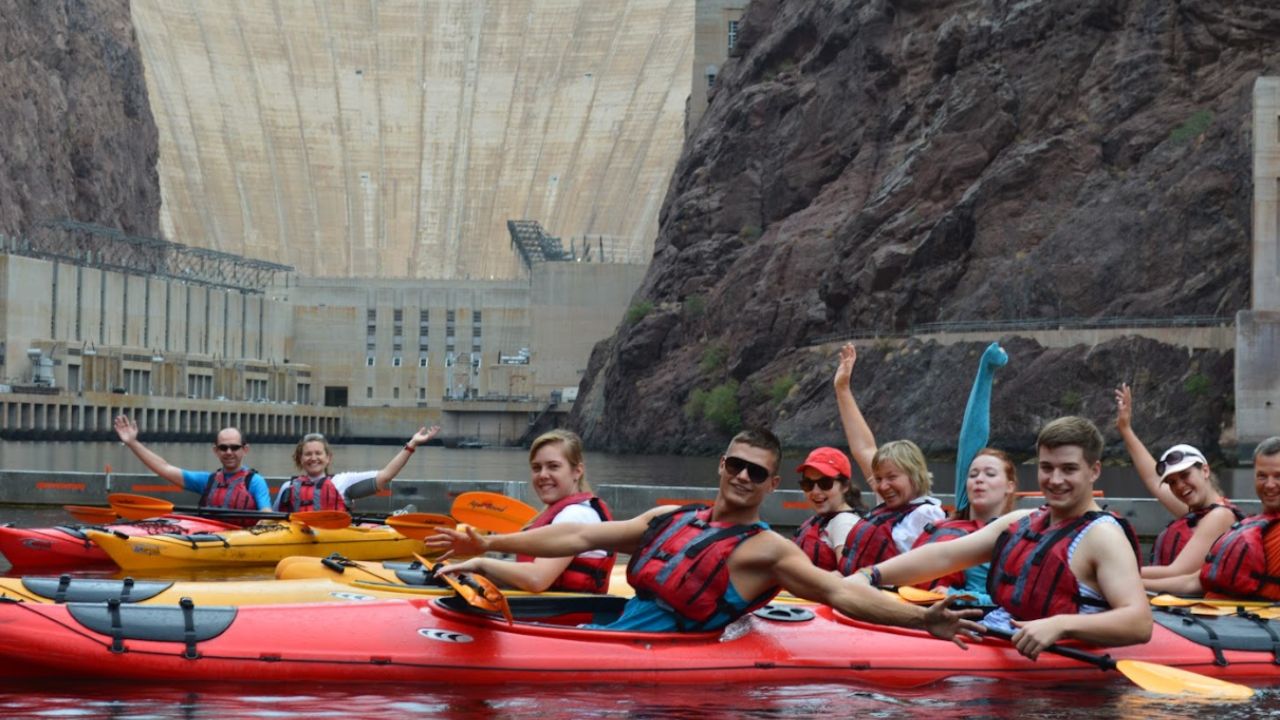
Trying kayaking for the first time can feel exciting and a little unsure at the same time. Many people ask the same questions before they ever touch the water.
Is kayaking easy?
Where should beginners go?
What mistakes should be avoided?
The good news is this. Kayaking for beginners does not need strength, speed, or special skills. It needs calm water, simple habits, and the right mindset.
This guide walks through everything step by step.
Is Kayaking Easy for Beginners?
A BIG yes. Kayaking is like a low-impact workout. It’s perfect for people of all skills and fitness levels. Here’s what beginners need to know.
Easy to Start
Kayaking has a very low learning curve. It means that beginners can speedily pick up the basics. Once that is done, you can paddle your way into the waters.
Best Conditions
Kayak in a sunny and warm weather condition.
Safety First
Life jackets are critically essential. The best advice for beginners is to take a guided kayak tour. It takes care of all essential accessories for your safety. But if you are kayaking by yourself, take a lesson first. It’ll make you learn proper safety and techniques.
Tip 1: Start on Calm Water Only
For first-time paddlers, calm water matters more than anything else.
Avoid fast rivers, strong wind, or busy boat zones. These conditions make learning harder and more tiring.
Best beginner-friendly water types
- Slow-moving river sections
- Sheltered canyon routes
- Flat water near shorelines
Calm water lets beginners focus on balance, direction, and enjoying the view instead of fighting conditions.
Tip 2: Learn One Simple Paddle Stroke First
Many beginners think kayaking requires lots of strokes and techniques. It does not.
Start with just one. The forward stroke.
A simple forward stroke
- Sit upright and relaxed
- Dip the blade near your feet
- Pull back smoothly
- Switch sides slowly
There is no rush. Smooth beats fast every time. Once this feels natural, turning and stopping become easier without effort.
Tip 3: Dress for Comfort, Not Fashion
What you wear can shape your whole experience. Choose comfort over style. Movement matters more than looks.
Good clothing choices for beginners
- Quick-dry clothes
- Light layers for changing temps
- A wide-brim hat for sun
- Secure water shoes or sandals
Avoid heavy cotton or stiff fabrics. Staying comfortable helps beginners stay relaxed, especially during longer paddles.
Tip 4: Keep Your First Trip Short
Long trips sound exciting. But for beginners, shorter is better. A first paddle of 2 to 4 miles is usually perfect. It gives enough time to learn without fatigue.
Short trips help beginners:
- Keep good posture
- Avoid sore shoulders
- Stay mentally relaxed
Tip 5: Try Kayaking With a Partner
Many beginners ask about how to kayak for 2 persons. Tandem kayaking is a great option.
A two-person kayak:
- Feels more stable
- Shares the effort
- Helps beginners stay on course
It works best when one person sets the pace and the other follows calmly. Communication matters more than strength.
For couples or friends, tandem kayaking often feels more social and less intimidating.
Tip 6: Take Breaks Before You Feel Tired
New paddlers often wait too long to rest. Instead, take short breaks early. Stretch your shoulders. Sip water. Look around.
Small pauses prevent soreness and keep energy steady. Kayaking for beginners should feel slow and steady, not like a workout challenge.
Tip 7: Choose Guidance Over Guesswork
Beginners learn faster with guidance.
A guided experience removes stress. Routes are chosen carefully. The pace stays easy. Help is always nearby. Guides take care of your safety and provide you with the necessary gear. It lets you fully focus on learning how to kayak and doing it efficiently.
Beginner Kayak Mistakes to Avoid
Many beginners commit similar mistakes. Don’t worry, that’s only natural. Below are the common mistakes so you can be aware of them and avoid them.
Common mistakes beginners make
- Gripping the paddle too tight
- Slouching instead of sitting upright
- Paddling too fast early on
- Skipping rest breaks
- Fighting the water instead of flowing with it
Relaxed paddling saves energy. A loose grip and steady rhythm make kayaking easier than most people expect.
A Quick Beginner Checklist
Here is a simple table to help beginners feel prepared without overthinking.
| Beginner Focus | Why It Matters |
| Calm water | Builds confidence |
| Short distance | Prevents fatigue |
| Easy pace | Keeps control |
| Light clothing | Improves comfort |
| Guided route | Reduces stress |
Choosing the Right Kayak Type for Beginners
For first-timers, choosing the right kayak type is essential. The sections below give clear details about the two common kayak types.
Sit-On-Top Kayaks
Sit-on-top kayaks are exactly what they sound like. You sit on top of the kayak instead of inside it.
Why beginners like them
- Very stable on calm water
- Easy to get on and off
- Self-draining, so water flows out
- Feel open and less confining
Things to know
- You will get wetter
- Slower than other kayak types
- Not ideal for long distances
Best for
- Warm weather paddling
- Casual lake or beach trips
- Swimming breaks
- Kayak fishing
This is often the first kayak people try on their own.
Sit-Inside Kayaks
Sit-inside kayaks place you inside the hull, with your legs stretched forward. This style is common for guided river and touring trips.
Why they work well
- Keep you drier
- Track straighter and paddle more efficiently
- Better for longer distances
- Feel steady once you settle in
Things to know
- Entry and exit take a little practice
- Feel more enclosed at first
- Rescue skills matter if paddling solo
Best for
- Calm rivers
- Touring routes
- Cooler weather
- Guided experiences
Evolution Expeditions uses sit-inside touring kayaks for our beginner-friendly river trips. These kayaks offer stability and comfort. They thus let beginners to fluidly paddle on calm waters.
Recreational vs. Touring vs. Fishing Kayaks (Quick Overview)
| Kayak Type | What It’s Like | Best Use |
| Recreational | Short, wide, very stable | Easy paddles, short trips |
| Touring | Longer, smoother tracking | Rivers, longer routes |
| Fishing | Wide, gear-ready | Angling, slow water |
A Beginner-Friendly Way to Get on the Water with Evolution Expeditions

If this is your first time kayaking, the idea of planning everything can feel like a lot. Where to go. What to expect. How hard it will be.
This is where Evolution Expeditions makes things easy.
Hoover Dam + Emerald Cave Combo Tour
This tour is built for beginners who want a smooth start, not a steep learning curve.
The day begins on solid ground. You take in the views at Hoover Dam. You walk the Memorial Bridge. You ease into the experience before ever picking up a paddle. That alone helps many first-time kayakers feel more relaxed.
Then comes the water.
The river here is calm. The canyon walls block the wind. The pace stays slow and steady. There is no pressure to keep up or rush forward. You paddle. You find your rhythm. You get comfortable.
Along the way, Emerald Cave appears. When the light hits just right, the water glows green. It feels quiet and special. A moment most beginners never forget.
You can choose:
- A longer, more relaxed paddle with extra time on the river
- Or a shorter option that still includes the full Emerald Cave experience
Both are guided. Both are paced gently. Both are designed so beginners feel supported from start to finish.
Final Thoughts
Kayaking for beginners is not about skill or strength. It is about choosing calm water, moving slowly, and staying comfortable.
When the conditions are right, kayaking feels natural. The water supports you. The paddle guides you. And the quiet moments become the best part of the trip.
Start simple. Stay relaxed. And let your first paddle be something you enjoy, not something you rush.