Colorado River Fun Facts: What You Should Know
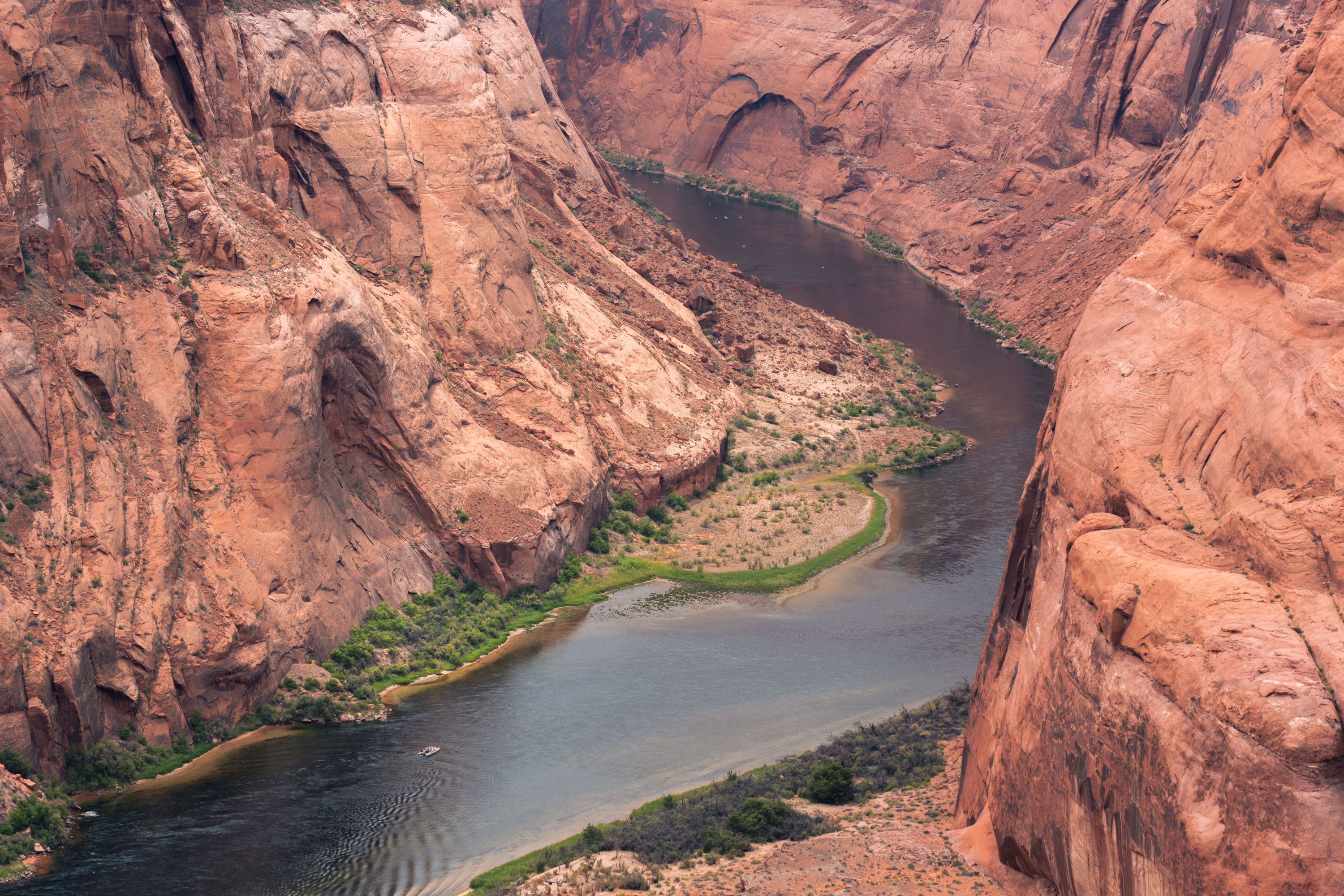
The Colorado River is a key water source across the American Southwest. It supports cities, farms, and desert ecosystems in many states. It also connects major landmarks like Hoover Dam and Lake Mead.
People often explore it through guided kayak trips near Las Vegas. The river also passes through Black Canyon, where cliffs rise sharply above the water.
Have you ever wondered how deep a river like this can get? The answer changes depending on location.
How Deep Does the Colorado River Get?
Some Colorado River sections are shallow enough to walk through carefully. In other areas, the water becomes much deeper.
Depth can be as low as about six feet in some spots. Other areas drop to more than ninety feet. The average depth sits around twenty feet.
These changes make the river feel different from place to place. One moment it feels calm and shallow. Next, it becomes deep and powerful.
This variation is part of what makes Colorado river fun facts so interesting to learn.
A River With a Changing Path
The river once flowed all the way into the Sea of Cortez. This area is also called the Gulf of California. Water used to travel from Arizona through Mexico and reach the ocean. Today, that rarely happens anymore.
Dams and reduced water levels have changed the river’s path. Now it often does not reach the sea at all.
This shift is another surprising point when learning about the Colorado River. It shows how human use has changed natural flow over time. Many people find it hard to imagine a river that no longer reaches the ocean.
Old Name and Big Water Systems
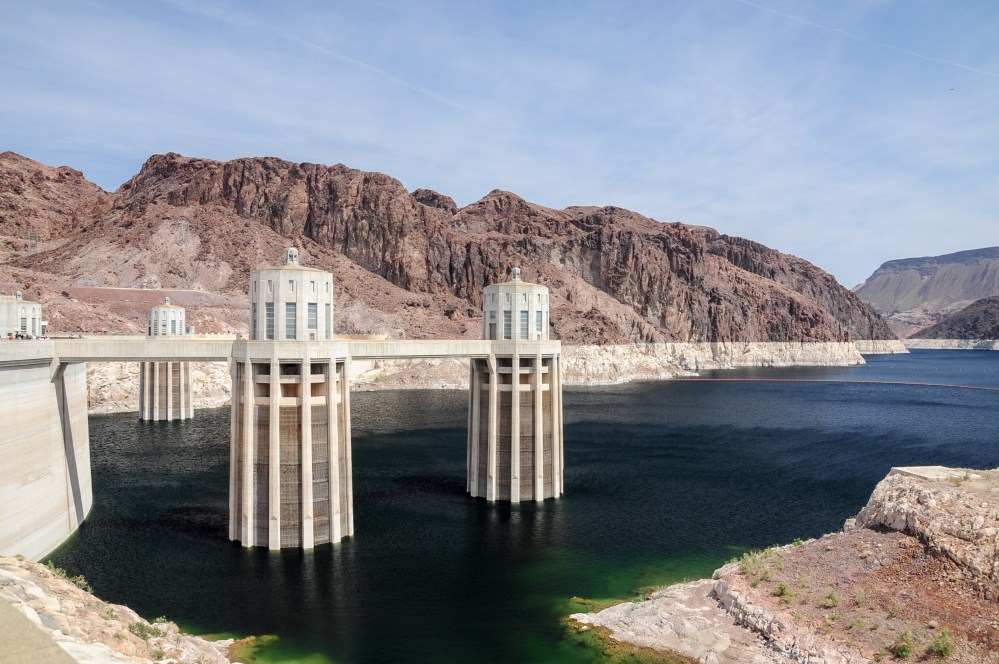
The Colorado River was once known as the Grand River. The name changed over time as maps and settlements developed. Today, it feeds some of the largest water storage systems in the United States.
Lake Mead is one of them. It was created after Hoover Dam was built in 1936. When full, it can hold trillions of gallons of water. Lake Powell is another major reservoir formed later in 1963. It stretches across thousands of miles of shoreline when full.
Together, these systems store massive water reserves. They support cities, farming, and power generation in dry regions.
A River That Often Loses Water Along the Way
Most rivers grow larger as they move downstream. This river behaves differently. Water is diverted through canals, pipelines, and dams along its route. Because of this, more water is taken out than added in.
In some cases, the river no longer reaches the ocean. Large water projects move it across long distances instead. Water is transported to cities like Phoenix, Tucson, Los Angeles, and San Diego. Some systems even move it uphill using powerful pumps.
Snowpack and climate changes also affect flow levels. Less snow and more evaporation reduce long-term water supply. This unusual behavior is also what makes the river unique.
Adventure, Gold, and Human History
Many people enjoy rafting on the river every year. More than twenty thousand people take part in white water rafting annually.
The river also has a long gold history. Gold discovery began in the 1860s. Some traces are still found today. Human history in the river basin goes back thousands of years. People have lived here for at least eight thousand years.
Communities still live along the river today. It continues to support life in many ways.
These stories make the Colorado River more than just geography. It connects nature, history, and adventure.
The London Bridge Story at Lake Havasu
When Parker Dam was built back in 1938, it created Lake Havasu. By 1964, Robert McCulloch had purchased much of the land and wanted to build a community around the lake. To do so, he wanted a tourist attraction nobody could turn down. Thus, McCulloch purchased the London Bridge.
Two years prior, the city of London realized its current bridge could no longer support the weight of passing auto traffic. It was not originally designed to do in the first place. Robert McCulloch bought it off the city’s hands for $2.46 million. The bridge was then dismantled and reassembled above the lake in Arizona city.
The bridge is still in Lake Havasu and visitors can walk the bridge. They can also photograph themselves in one of the famous red London phone booths. The city has also become a popular spring break destination for both Arizona and California citizens.
A Living System Still Worth Exploring
The Colorado River continues to support water systems, recreation, and communities. It remains central to life in dry regions of the United States.
Visitors often explore it through guided kayak tours in Black Canyon and Lake Mead. These experiences bring the river’s scale and history to life in a direct way.
Evolution Expeditions offers Colorado River kayak tours that let travelers experience these landscapes firsthand and understand how this powerful river continues to shape the Southwest.
FAQs
What is special about the Colorado River?
The Colorado River is special because it supports life in dry regions of the United States. It supplies water to cities, farms, and deserts. It also creates deep canyons and large reservoirs like Lake Mead. The river connects natural landscapes with human needs, making it very important for water supply, wildlife, and outdoor recreation.
Why is it called the Colorado River?
The name Colorado comes from a Spanish word meaning “colored red.” Early explorers noticed the river carried red sediment from rocks and soil. Over time, this name became widely used. Before that, it was also known as the Grand River in some areas, showing how names can change with history and exploration.
Can you swim in the Colorado River?
Swimming in the Colorado River is possible in some areas, but conditions change by location. Certain sections have strong currents, cold water, or deep channels, which can be unsafe. Safer spots are usually found in calm zones like Lake Mead. Always follow local rules and guidance before entering the water.
What is the nickname of the Colorado River?
The Colorado River is most commonly called the “Lifeline of the Southwest.” This nickname comes from its key role in supplying water to around 40 million people. It also supports irrigation for millions of acres of farmland. The river is essential in dry regions across the western United States and northern Mexico.